
 David Joseph
Did you know that 50-pint units are the most common choice for managing household moisture? Keeping our homes healthy starts with controlling the air we breathe every day.
Using a smart dehumidifier makes this task easy. These advanced devices help us stop mold growth and keep our homes dry.
Finding the best smart dehumidifier means enjoying modern convenience. We’ll help you find the right unit for your home.
Key Takeaways
- 50-pint units are the industry standard for effective moisture control.
- Automated technology makes maintaining indoor air quality effortless.
- Preventing mold growth is vital for a healthy living environment.
- Modern features allow for remote monitoring and energy efficiency.
- Selecting the right capacity is essential for your home size.
What is a Smart Dehumidifier?
Getting to know a smart dehumidifier is key to a balanced home. Unlike old units, these devices use advanced tech to control moisture. They mix mechanical removal with digital monitoring for better climate control.
Understanding Dehumidification Technology
Let’s dive into how these systems work. They use three main methods to remove air moisture. Most homes use compressor-based technology, which cools air to condense moisture. This method is best for big spaces like basements.
For smaller areas, like closets or bathrooms, thermo-electric units are better. They’re quiet and small. Desiccant models work well in cooler places, using chemicals to absorb moisture. Knowing your space needs can help you decide if you need a smart dehumidifier.
Benefits of Smart Features in Dehumidifiers
A dehumidifier with smart technology makes drying smarter. It keeps an eye on humidity and adjusts as needed. This saves energy and extends the unit’s life.
These smart units also let you control them from your phone. You can check how they’re doing and get alerts. If you want the best smart humidifier, look for one with strong digital features. A dehumidifier with smart technology keeps your home comfy and dry, all on its own.
How Smart Dehumidifiers Work
A smart home dehumidifier has advanced parts to keep your space just right. It works on its own, checking the air quality all the time. It removes extra moisture to stop mold and protect your home.
Sensors and Humidity Control
Every unit has precise sensors that watch humidity levels closely. When it’s too moist, the compressor kicks in to pull out the extra water. For example, a 50-pint smart dehumidifier can take out 50 pints of moisture a day.
This smart system only runs when it needs to, saving energy. It’s much better than old-fashioned models. The benefits include:
- Consistent comfort by keeping humidity just right.
- Energy efficiency thanks to smart power use.
- Reduced noise since it’s quieter when it’s not working.
Wi-Fi Connectivity and App Integration
A WiFi-enabled dehumidifier lets us control it from our phones. We can change humidity levels, fan speeds, or set schedules from anywhere. It makes controlling your home’s climate easy and simple.
These systems also send proactive alerts to our phones. If the water tank is full, it tells us so we can empty it. This keeps our floors and carpets safe, even when we’re not home.
Key Features to Look For
When searching for the perfect unit, we need to look beyond the basic design. It’s important to understand the technical specs that really matter. These specs help us see how well the machine handles moisture and energy in our homes.
By focusing on key features, we can keep our homes comfortable and dry for years. This is crucial for our well-being.
Energy Efficiency Ratings
Always look for the Energy Star certification when buying a new device. This label means the unit meets strict energy efficiency standards set by the government. An energy-efficient dehumidifier will cut down our monthly bills while keeping humidity levels just right.
Choosing a model with advanced power-saving modes is smart. These modes let the system turn on and off based on air conditions. This saves power when it’s not needed. A high-rated model balances performance with being eco-friendly.
Size and Capacity Options
Capacity is key when picking a smart dehumidifier. Units are rated by how many pints they can remove in 24 hours. We need to match this to our room size for best results.
A unit that’s too small will run all the time without reaching the right humidity. A unit that’s too big may wear out faster. Here’s a guide to help choose the right size for your home.
| Room Size (Sq. Ft.) | Capacity (Pints/Day) | Recommended Usage |
|---|---|---|
| Up to 500 | 20 – 30 Pints | Small bedrooms or offices |
| 500 – 1,500 | 30 – 50 Pints | Living rooms or basements |
| 1,500 – 2,500 | 50+ Pints | Large open-plan homes |
Filter Types and Maintenance
Keeping a dehumidifier with smart technology clean is crucial. A clean air filter ensures good airflow and keeps the machine running smoothly. A clogged filter makes the motor work harder, shortening the machine’s life.
Check the filter every two weeks to keep it clean. Many units have a filter alert indicator that tells us when it’s time to clean. Regular maintenance keeps our dehumidifier working well all year.
Advantages of Owning a Smart Dehumidifier
Getting a smart dehumidifier changes how we handle our home’s air. It uses advanced tech to control moisture levels. This keeps our homes comfy and safe from too much humidity.
Improved Indoor Air Quality
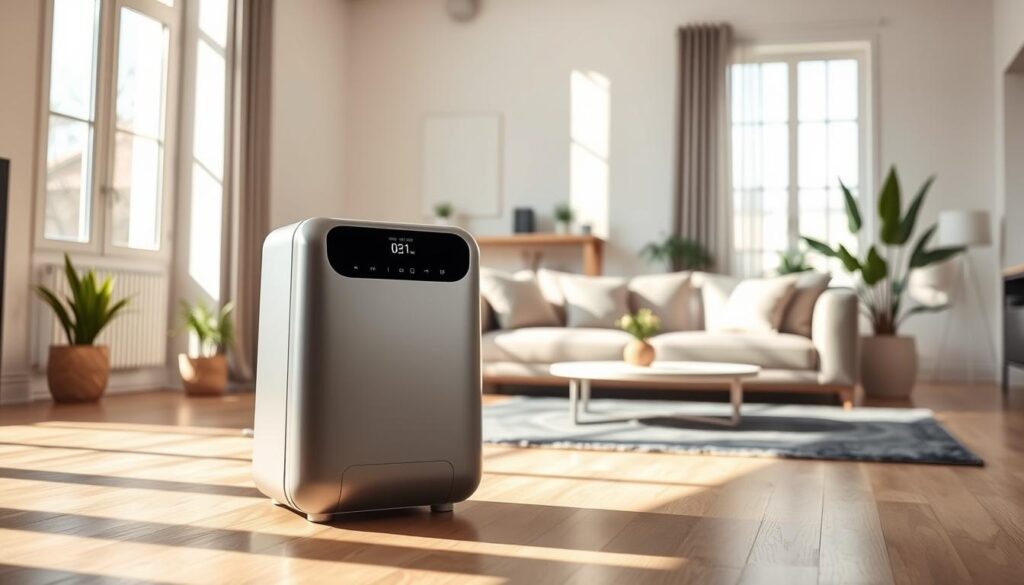
Keeping humidity right is key for our health. A smart dehumidifier stops mold, mildew, and dust mites from growing. It keeps the air just right for us.
- Reduces the presence of airborne allergens.
- Prevents musty odors caused by dampness.
- Protects furniture and walls from moisture damage.
Energy Savings and Cost Efficiency
We all want to save money on bills without losing comfort. An energy-efficient dehumidifier is a smart choice. It only works when humidity is too high, saving power.
Also, a 50-pint unit is a big plus. It removes moisture fast, working quicker than smaller ones. This means it lasts longer and saves us money on energy.
Top Brands for Smart Dehumidifiers
Choosing the best smart dehumidifier means looking beyond the brand name. Many devices come from the same factories, no matter the brand. So, we look for companies with great customer support and consistent quality.
Overview of Leading Brands
Some manufacturers stand out for their quality climate control solutions. We seek brands that mix advanced tech with easy-to-use designs. Here are some top companies:
- Frigidaire: Known for strong build and effective moisture removal.
- hOmeLabs: Praised for its easy-to-use interface and stylish look.
- Midea: A leader in innovation, with the latest Wi-Fi features.
Comparing Brand Features and Innovations
Comparing a top rated smart dehumidifier to standard models shows a big difference. The best brands focus on app stability, letting users check humidity levels anywhere. They also update their devices often to keep them secure and efficient.
Innovation also means better sensors and energy use. A true smart dehumidifier should adjust based on real-time data. Look for brands with:
- Easy integration with smart home systems like Alexa or Google Home.
- Energy-saving modes that cut power use during peak times.
- Clear alerts for when to change filters and check the water tank.
The best smart dehumidifier offers a smooth user experience and lasts long. We focus on brands known for support and quality. Choose companies that care about long-term performance, not just quick profits.
Smart Dehumidifier Comparison
Choosing the best smart dehumidifier means looking at how they work in real life. We check out different models to see which ones really shine. By comparing their specs and how well they do, we help you find the right one for you.
Price vs. Performance Analysis
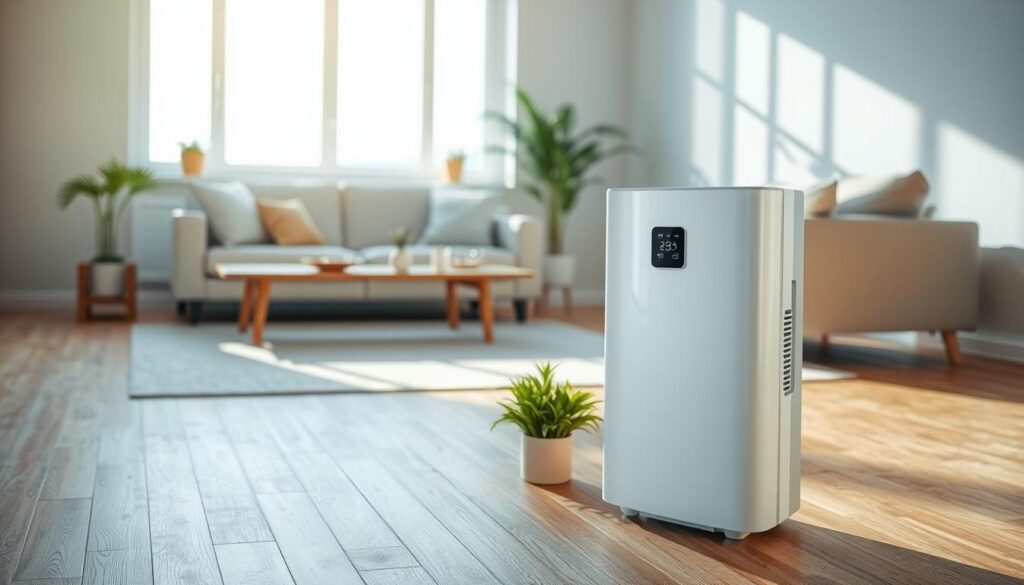
We look for a good balance between cost and how well it works. The Midea Cube is often seen as the top choice. It’s small but powerful, great for big spaces.
If you want a smart dehumidifier that’s easy on your wallet, look for basic features like humidity sensing. Budget models might not have fancy tech, but they get the job done. Energy efficiency is key to saving money in the long run.
User Reviews and Ratings
User feedback is key to knowing if a dehumidifier will work for you. A top rated smart dehumidifier is known for its reliability and ease of use. People often mention how easy it is to use the app and how quiet it is.
We also check out the bad reviews to spot any issues. This helps us guide you to a dependable and affordable smart dehumidifier that avoids common problems. Here’s a table comparing some popular models.
| Model Name | Performance Rating | Price Category | Key Strength |
|---|---|---|---|
| Midea Cube | Excellent | Mid-Range | Unique Design |
| Frigidaire High-Efficiency | Very Good | Premium | Durability |
| Honeywell Smart | Good | Budget | Ease of Use |
| GE Profile | Excellent | Premium | Smart Integration |
Installation and Setup
We think setting up your equipment right is key to good air quality. A smart dehumidifier needs careful placement and setup to work best. By following these steps, we keep our home dry and comfy.
Where to Place Your Dehumidifier
The unit’s location affects its performance. We suggest placing it in the room’s center, with 6 to 12 inches from walls or furniture. This ensures good air flow, which is crucial for a high-performance WiFi-enabled dehumidifier.
In basements or damp crawlspaces, using gravity drainage is smart. Place the unit on a platform above a drain. This way, water flows out without needing to empty a bucket, making the smart home dehumidifier easier to care for.
“Proper air circulation is the silent partner of every effective moisture control system; without it, even the best technology will struggle to reach its target humidity levels.”
Connecting to Smart Home Systems
Today’s tech makes linking devices easy. First, we download the app and ensure our WiFi-enabled dehumidifier is near a stable network. Most units guide us through a quick pairing process.
After linking, we can check humidity levels and adjust settings from our phones. This smart home dehumidifier can also work with other devices for automated routines. This control is vital for managing a smart dehumidifier in a busy home.
| Setup Task | Recommended Action | Benefit |
|---|---|---|
| Wall Clearance | Maintain 12 inches | Better Airflow |
| Drainage | Use Gravity Feed | Less Maintenance |
| Network | 2.4GHz Wi-Fi | Remote Access |
| Placement | Central Location | Even Coverage |
Maintenance Tips for Smart Dehumidifiers
Keeping our devices in good shape is key. By taking care of our smart dehumidifier, it works better and keeps our air clean. Regular upkeep stops breakdowns and saves us from costly repairs.
Cleaning Filters and Coils
It’s crucial to keep the air intake clean. Vacuum the filter every two weeks, like an air purifier. If it’s washable, use warm water and let it dry before putting it back in your smart dehumidifier.
Check the cooling coils for dust too. Dust on these coils makes it hard for the unit to pull out moisture. Use a soft brush or vacuum attachment to clean them gently.
“Regular maintenance is not just about cleanliness; it is about preserving the core functionality of your home climate systems to ensure long-term reliability.”
Trouble-Shooting Common Issues
Even with good care, we might run into small problems. If your unit loses Wi-Fi, try restarting it and your router. For drainage issues, make sure the hose isn’t kinked and the bucket is in place.
If your smart dehumidifier shows an error code, look it up in the manual. Often, a simple restart fixes it. Keeping up with maintenance helps us catch problems early.
| Task | Frequency | Action Required |
|---|---|---|
| Filter Cleaning | Every 2 Weeks | Vacuum or wash with water |
| Coil Inspection | Monthly | Check for dust and debris |
| Drainage Check | Weekly | Verify hose flow and bucket seal |
| App Sync | As Needed | Update firmware for stability |
Smart Dehumidifier vs. Traditional Models
Choosing between automated and manual dehumidifiers depends on what you value most. Smart dehumidifiers have changed how we manage air quality. They offer modern features but also have a simpler design. It’s important to think about what you need before making a choice.
Pros and Cons of Each
Traditional dehumidifiers are cheaper upfront. But, they often lack precision and can’t handle big spaces well. This means they use more energy and don’t work as well.
On the other hand, smart dehumidifiers are more expensive but offer better control. They adjust based on humidity levels and can be controlled from your phone. This convenience is hard to beat.
Cost Comparison Over Time
The cost of a dehumidifier isn’t just the price you pay at the store. It also includes how much energy it uses and how often it needs to be fixed. Smart dehumidifiers save money by turning off when humidity is right. Traditional models use more energy all year.
When looking at affordable smart dehumidifiers, remember they last longer. They need less fixing and last longer than cheaper models. Buying a smart dehumidifier means investing in a healthier home for years to come.
| Feature | Traditional Model | Smart Dehumidifier |
|---|---|---|
| Humidity Control | Manual/Basic | Precision Digital |
| Energy Usage | High/Constant | Optimized/Variable |
| Remote Access | None | App-Enabled |
| Long-term Value | Low | High |
Frequently Asked Questions
Homeowners often ask about improving their indoor air with the right tech. Understanding a smart dehumidifier can seem tough. But, finding the right one is easier than you think.
How Do I Know the Right Size for My Space?
Choosing the right size is key for good performance. A 50-pint unit works well for big spaces, about 1,200 square feet. If your area is smaller or drier, an affordable smart dehumidifier might be perfect.
Check how wet your rooms are. Basements or areas with water need a bigger WiFi-enabled dehumidifier to handle the moisture.
“The secret to a healthy home is not just cleaning, but controlling the invisible elements in the air we breathe every single day.”
Can a Smart Dehumidifier Help with Allergies?
Yes, keeping humidity levels right can fight off common allergens. Dry air stops dust mites and mold spores from growing.
A smart home dehumidifier lets you check humidity levels from anywhere. This keeps your air healthy, between 30% to 50% humidity. It helps us manage our indoor climate and breathe better all year.
Conclusion: Choosing the Right Smart Dehumidifier for Your Home
Getting the right tech changes how we handle our home’s air. Now, we know how to pick a smart dehumidifier that meets our needs and budget.
Essential Takeaways for Better Air
Look for units that last long and save energy. The Midea Cube is a top choice for most homes because of its design and performance. Make sure it’s Energy Star certified to save on bills and keep your home comfy.
Final Recommendations for Buyers
Before buying, think about your room size. A good smart dehumidifier gives you peace of mind with sensors and app control. They’re key to keeping your home dry and healthy. Choosing a quality model means your home stays fresh and dry for years.