
 David Joseph
Did you know nearly 30% of urban apartment dwellers in the United States face laundry challenges? For those in compact studios or dorms, doing laundry seems like a big task. We think your living space shouldn’t limit your clean clothes.
A portable laundry machine is a smart choice for small loads. These units are great for washing everyday clothes fast and well. With a compact solution, you save time and skip the long laundromat trips.
This guide will show you how to pick, set up, and care for your new machine. We’ll also cover shipping and pricing to help you find the best deal. Let us make your laundry routine simple and stress-free.
Key Takeaways
- Compact appliances are perfect for small apartments and dorm living.
- A portable laundry machine handles daily essentials with ease.
- Always verify shipping and pricing details before finalizing your purchase.
- Proper maintenance extends the lifespan of your laundry equipment.
- These units save significant time compared to traditional laundromat visits.
What is a Mini Washing Machine?
A mini washing machine is a great choice for those who don’t have much space. It’s made to be efficient, so you can wash smaller loads without using a lot of energy.
They’re perfect for tiny apartments or for washing delicate items. A mini washing machine offers convenience and good performance. They make doing laundry easier and faster.
Definition and Purpose
A small washer is a smaller version of a regular washing machine. It’s designed for quick, small loads, not big ones. It’s great for washing baby clothes, socks, and other small items.
Many people find a 10-litre capacity model works well for daily washing. It uses less water and electricity, which is better for the environment. It keeps your clothes clean and fresh without using a lot of resources.
Key Features of Mini Washing Machines
When looking for a compact washing appliance, look for easy-to-use features. They are usually lightweight and fit in small spaces. They are easy to start and use, making laundry day simpler.
The table below shows how mini washers differ from regular ones:
| Feature | Standard Washer | Mini Washing Machine |
|---|---|---|
| Capacity | Large (15-25 lbs) | Small (2-10 lbs) |
| Portability | Stationary | Highly Portable |
| Water Usage | High | Very Low |
| Installation | Complex Plumbing | Plug-and-Play |
These machines are for those who want flexibility. With a mini washing machine, you can wash clothes whenever you want, no matter where you live.
Advantages of Using a Mini Washing Machine
Using a compact laundry appliance can change how we do laundry in small spaces. Many of us have little floor space, making big machines hard to fit. A space-saving washing machine lets us keep clothes clean without losing room.
Space-Saving Design
These units have a minimal footprint. They fit in closets, under counters, or even in bathroom cabinets. They’re perfect for urban apartments, dorms, or tiny homes.
Many models are also lightweight and easy to move. We can take them where we need or store them when not in use. This is great for those without a dedicated laundry room.
Energy and Water Efficiency
Big machines waste energy and water for small loads. Mini washers help us wash less, saving resources. They use less water and electricity, saving money and the planet.
These machines are highly efficient for daily use. They wash smaller loads faster than big machines. This makes them ideal for busy people who need quick laundry results.
| Feature | Traditional Washer | Mini Washing Machine |
|---|---|---|
| Footprint | Large/Fixed | Compact/Portable |
| Water Usage | High per load | Low per load |
| Storage | Requires dedicated room | Fits in closets/cabinets |
| Ideal Use | Large families | Singles/Small spaces |
Adding a space-saving washing machine to our routine makes life easier. We save time and space while keeping clothes clean. It’s a smart choice for anyone wanting to make their living space better.
Ideal Locations for Mini Washing Machines
Living in a small city apartment or traveling in an RV means laundry is always a challenge. Traditional laundry setups don’t fit our modern, mobile lives. A portable laundry machine can change how you do laundry in tight spaces.
Apartments and Studios
Small apartments often mean giving up space for location. Many face the problem of shared laundry rooms or expensive laundromats. An apartment washing machine gives you the freedom you need without needing a special room.
These machines hook up to your kitchen or bathroom faucet easily. Using a space-saving washing machine saves your weekends and avoids the trouble of carrying heavy laundry. Just make sure you have good ventilation and a drain nearby.
“Simplicity is the ultimate sophistication, when it comes to managing a small home efficiently.”
RVs and Campers
For those who love to travel, laundry can be a big problem. A portable laundry machine keeps your clothes fresh on the go. These machines are light and can handle the bumps of travel.
Think about your vehicle’s weight and water storage when planning. A space-saving washing machine fits well in storage spots or under benches. This keeps your living area open and useful.
| Location Type | Primary Benefit | Key Consideration |
|---|---|---|
| Apartment | Convenience | Faucet access |
| Studio | Space efficiency | Drainage |
| RV/Camper | Mobility | Water usage |
Choosing an apartment washing machine or a compact unit for your camper depends on your plumbing and storage needs. Always measure your space before buying to get the best fit.
How to Choose the Right Mini Washing Machine
Choosing the right mini washing machine is about finding the right size and cleaning needs. It might seem like a puzzle, but knowing your daily habits helps a lot.
Size and Capacity Considerations
First, measure the space where you plan to put the washer. A small washer should fit well without blocking the way or other utilities.
Think about how much you wash at once. For example, a 10-liter washer is great for washing small loads like gym clothes or delicate items every day.
“The best tool is the one that fits perfectly into the rhythm of your daily life, saving you time and effort.”
Here’s a table to help pick the right size for your needs:
| Load Type | Recommended Capacity | Best For |
|---|---|---|
| Light/Daily | 5-8 Liters | Socks and Underwear |
| Medium/Regular | 10-12 Liters | Baby Clothes/T-shirts |
| Heavy/Occasional | 15+ Liters | Small Bedding |
Important Features to Look For
When looking for an apartment washing machine, check the power and drainage. Most compact washers use standard outlets, but make sure the voltage is right to avoid problems.
Think about how you’ll drain the water after washing. Some have a gravity-drain system, while others have a built-in pump for more flexibility.
Also, look at the controls. A small washer with simple dials is often better than a digital one. Make sure it can handle your items, like baby clothes or delicate fabrics, by checking the cycle settings before you buy.
Top Mini Washing Machine Brands on the Market
Choosing the right compact washing appliance requires looking into its performance and durability. It’s important to go beyond the fancy descriptions and low prices. We should focus on the technical details to make sure our investment is worth it in the long run.
Brand Comparison
When comparing brands, we need to look at more than just the price. We should check the wash performance, warranty, and if parts are easy to find. A cheap machine might cost more in the long run if parts are hard to get.
Creating a comparison table helps us see which models are the best. We can compare features to our needs and find the most efficient and reliable ones.
| Feature | Budget Models | Premium Models |
|---|---|---|
| Warranty | Limited (90 days) | Extended (1-2 years) |
| Parts Availability | Often scarce | Widely available |
| Wash Performance | Basic cycles | Advanced sensors |
Customer Feedback and Ratings
User reviews are a great way to see how a mini washer and dryer works in real life. Often, people share issues like shipping problems or hidden fees that aren’t in the ads. Always check directly with the seller about these things.
“The bitterness of poor quality remains long after the sweetness of low price is forgotten.”
Looking for patterns in feedback is better than focusing on one review. If many people have problems with a part, it’s a sign to look elsewhere. Taking the time to check these details helps ensure your mini washer and dryer will last for years.
Installation and Setup Tips
Getting your portable laundry machine ready for its first cycle needs careful attention. A logical sequence ensures it works safely and well in any small space.
Step-by-Step Guide
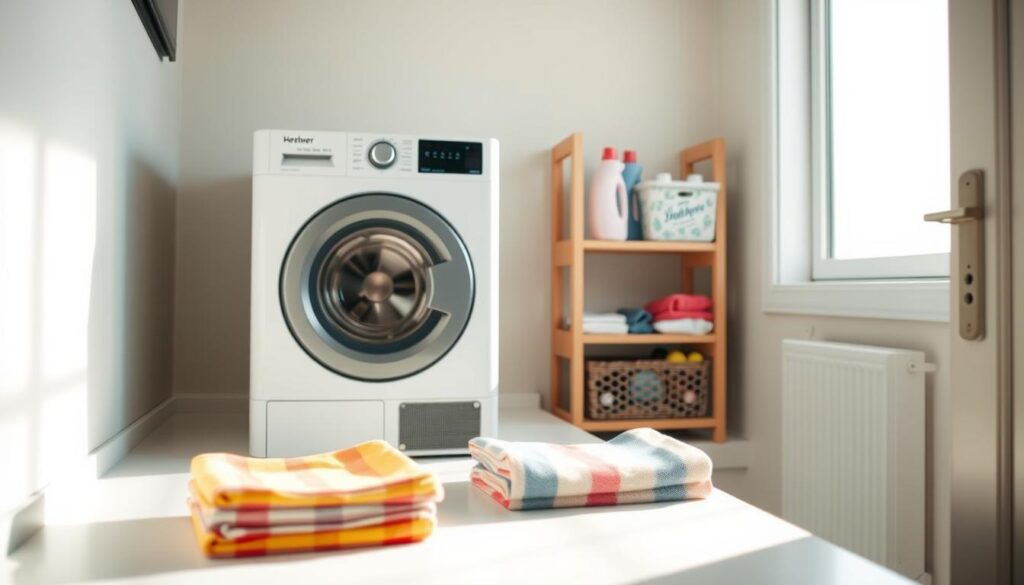
First, pick a flat, stable spot near water and a drain. A level floor stops the unit from shaking too much or moving during spin.
Here’s how to set it up:
- Connect the hoses: Link the inlet hose to your faucet with the given adapter. Make sure the drain hose is in a sink or floor drain to avoid leaks.
- Electrical safety: Plug it into a grounded outlet. Don’t use extension cords, as they can be a fire hazard with high-draw appliances.
- Load distribution: Put clothes evenly in the drum. Don’t pack too tightly, as it stops proper agitation.
- Run a test cycle: Do a short cycle with water only before washing clothes. This checks if all connections are tight and the drainage works right.
Common Mistakes to Avoid
Even with a top-notch portable laundry machine, mistakes during setup can cause problems. We suggest avoiding these common errors to make your appliance last longer.
Watch out for these issues:
- Overloading: Too much in the drum overworks the motor and doesn’t clean clothes well.
- Blocking drainage: Make sure the drain hose isn’t kinked or in standing water, so the machine drains properly.
- Unstable surfaces: Don’t put it on carpet or uneven floors, as it makes too much noise and can break.
- Storing while wet: Always leave the lid open after use to dry the interior. Storing it damp can cause mold and bad smells.
By avoiding these mistakes, you protect your investment and keep laundry day easy. Proper care at the start saves time and trouble later.
Maintenance and Care for Your Mini Washing Machine
Proper care keeps your compact laundry solution reliable at home. A small washer saves time, water, and effort. But, ignoring upkeep can cause blockages, reducing its benefits and lifespan.
Regular Cleaning Tips
Wipe the interior drum after each use to prevent mold and keep clothes fresh. Also, check the lint filter often to ensure water flows well.
Inspect hoses for wear or mineral buildup. A quick wipe with a damp cloth keeps your washing machine looking new. Regular care protects your investment.
“The longevity of any appliance is directly tied to the consistency of its maintenance schedule. A few minutes of cleaning today prevents hours of repair work tomorrow.”
Troubleshooting Common Issues
Minor hiccups can happen even with good care. Weak agitation? You might have overloaded the drum. A small washer handles light loads best.
Drainage problems or noises? Check the drain hose for kinks or blockages. Leaks often come from loose connections. Use the table below to keep up with maintenance.
| Task | Frequency | Benefit |
|---|---|---|
| Wipe Drum | After each use | Prevents odors |
| Clean Lint Filter | Weekly | Improves drainage |
| Inspect Hoses | Monthly | Prevents leaks |
| Deep Clean | Quarterly | Removes buildup |
Always remember most issues with a small washer come from overloading or bad drainage. Stay proactive to keep your machine efficient for years.
Innovative Uses for Mini Washing Machines
Exploring new ways to use your compact washer can change how you do laundry at home. These units are great for clothes, but they also work well for other fabrics. Knowing what your space-saving washing machine can do is key.
Beyond Laundry: Other Cleaning Tasks
Small items like reusable bags, cleaning cloths, or pet accessories can be washed in these machines. But, always check the maker’s guide first. Some items might not be safe, and dirty ones could block the drain.
“Efficiency is doing things right; effectiveness is doing the right things.”
Be careful with items that have a lot of dirt or sharp parts. They could hurt the machine. If unsure, hand washing is safer than risking your small laundry solution. Here’s a list of items you might clean:
| Item Type | Suitability | Recommendation |
|---|---|---|
| Microfiber Cloths | High | Wash on gentle cycle |
| Reusable Bags | Medium | Use cold water only |
| Pet Toys | Low | Check for loose parts |
| Delicate Linens | High | Use a mesh laundry bag |
How to Optimize Use in Small Spaces
To make the most of your small laundry solution, wash similar items together. This balances the load and saves energy. It also keeps your laundry schedule on track.
Storing your space-saving washing machine right is important too. If you have little floor space, put it on a cart. This keeps it easy to move and out of the way. Storing it in a closet or under a counter keeps things tidy and ready for use.
Conclusion: Making Laundry Easy with a Mini Washing Machine
Choosing the right laundry appliance makes daily chores easier in small spaces. A mini washing machine is a smart choice for clean clothes without the big size of traditional machines.
Recap of Benefits
These compact units are great for smaller loads. The Giantex portable washer is perfect for studios or dorms. It saves time and water with quick cycles for everyday clothes.
They also make carrying heavy laundry to the laundromat easier.
Final Thoughts on Choosing Yours
Performance depends on the model and your habits. Some have a 10-litre capacity, while others handle delicate fabrics better. Always check the size and power needs before buying.
If you need to dry clothes too, look for a mini washer and dryer combo.
Here’s a checklist to help you choose:
- Match the drum capacity to your typical load size.
- Check for energy-saving certifications to lower utility costs.
- Review the manufacturer warranty and return policies.
- Confirm the plumbing connections fit your current sink or drain setup.
Choosing the right equipment keeps your home organized and efficient. Take time to compare features for a long-lasting investment.