
 David Joseph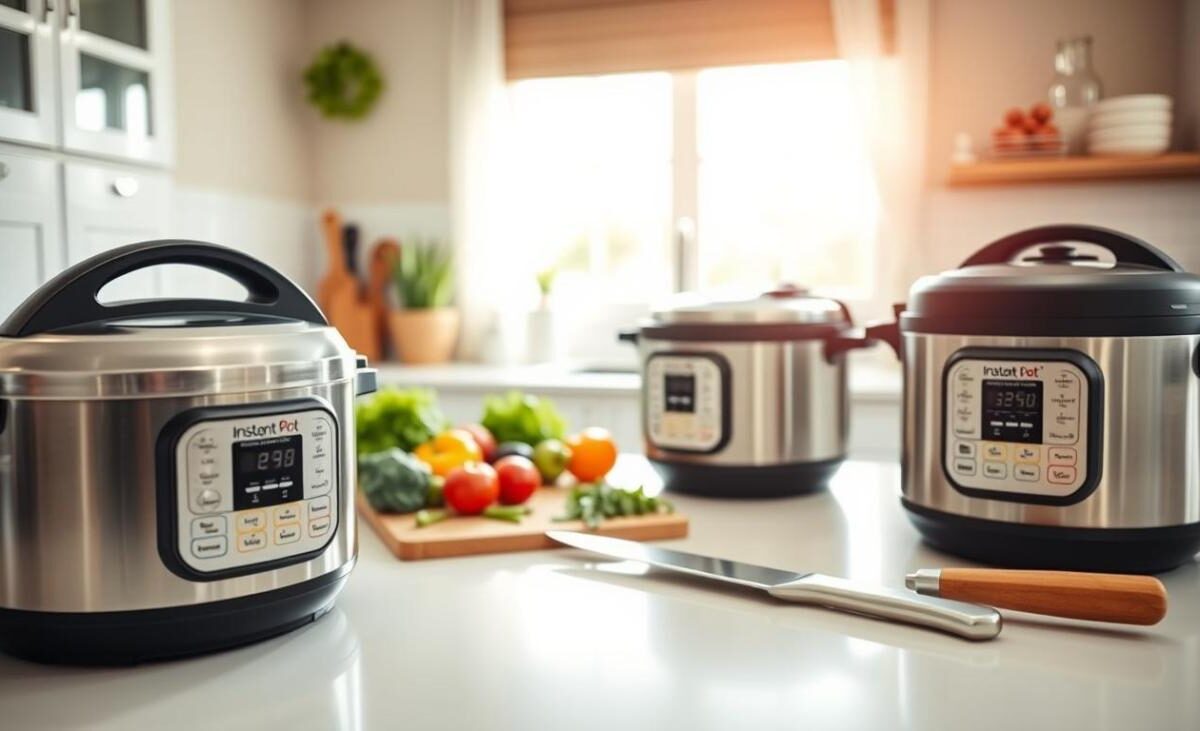
Did you know the average home cook spends over 400 hours a year cooking? You can get that time back without losing flavor or health. A modern kitchen appliance can turn simple ingredients into gourmet meals fast.
Whether you’re getting the hang of the Instant pot or perfecting your meal prep, this guide is for you. We’ll show you how this pressure cooker makes cooking easier, from breakfast to bean dishes. You’ll get tips, tricks, and facts to make cooking quicker and more fun.
It’s time for meals that are healthy and quick to make. Let’s get you cooking like a pro, so you can enjoy your meals more and clean up less.
Key Takeaways
- Save significant time on daily meal preparation.
- Master one-pot dinners and healthy breakfast staples.
- Learn essential tips for equipment care and cleaning.
- Discover how to cook beans and grains perfectly every time.
- Separate common myths from cooking realities.
Understanding the Benefits of Pressure Cooking
Efficient cooking methods are key to healthy eating. High-pressure cooking cuts down cooking time without losing flavor. It changes how we manage our kitchens and time.
Time Efficiency and Meal Prep
Both electric pressure cookers and stovetop pressure cookers save time. They make cooking staples faster than traditional methods. This makes batch cooking easier for healthy meals.
Here are some quick-cooking items:
- Dried beans and legumes: Ready in minutes instead of hours.
- Whole grains: Perfect rice and quinoa without constant monitoring.
- Shredded chicken: Ideal for quick tacos, salads, or soups.
- Steel-cut oats: A hearty breakfast staple prepared in a flash.
An electric pressure cooker is easy to use, while a stovetop pressure cooker offers manual control. Both need careful following of instructions for safety and consistency. Preparing ingredients ahead of time makes meal planning easier.
Nutrient Retention in Foods
Many worry that long cooking times destroy vitamins and minerals. High-pressure cooking reduces this risk by shortening cooking time. It seals in nutrients, keeping food moist and flavorful.
This method keeps vegetables’ color and texture. It uses less liquid, which helps retain nutrients. It’s a simple way to eat healthier without losing taste or quality.
Essential Pressure Cooker Features to Consider
Shopping for modern cooking appliances can be tough without a guide. It’s key to know which features meet your household needs. Evaluating these features ensures you get the most from your purchase.
Size and Capacity
Choosing the right capacity is crucial for meal prep. A 6-quart electric pressure cooker is often ideal for families. It’s big enough for daily dinners but doesn’t take up too much space.
If you often host big gatherings or cook in bulk, an 8-quart model is better. These larger units make it easy to cook big batches of soups, stews, and grains. But, think about your storage space before choosing an 8-quart model.
Safety Features
Modern appliances come with many safety features for worry-free cooking. Look for models with locking lids, pressure release valves, and automatic temperature sensors.
These features prevent the unit from opening while under pressure. Always follow the manufacturer’s safety guidelines to keep your device safe. Keeping seals and gaskets in good condition is key for these safety systems to work right.
Versatility of Functions
Today’s multi-cooker units do more than just pressure cook. They have pre-programmed settings for easy tasks. This lets you cook a variety of foods with just a button press.
- Rice and Grains: Get perfect texture for white or brown rice.
- Legumes: Soften beans and lentils quickly.
- Proteins: Tenderize chicken, beef, or pork for tasty meals.
- Breakfast Staples: Make creamy oatmeal or hard-boiled eggs easily.
It’s important to know the difference between a versatile kitchen tool and a dedicated pressure canner. While some units have special settings, a standard electric pressure cooker is mainly for cooking meals. Always check your user manual to see if your device is safe for canning, as canning needs are much stricter.
Our Favorite Quick Pressure Cooker Recipes
Our kitchen routine changed forever with these three simple, nutrient-dense dishes. We focus on meals that use fresh veggies, lean proteins, and grains. This keeps our energy up all day.
Hearty Vegetable Soup
This soup is a staple in our home. It’s filling and easy to make. Just chop your favorite veggies and add them to the pot with a savory broth.
Set your pressure cooker to high for four minutes. After that, wait five minutes for a natural release. This keeps the veggies tender without becoming mushy.
Spicy Chicken Tacos
When we need a quick dinner, these tacos are our top choice. You’ll need chicken breasts, your favorite salsa, and taco seasoning.
This recipe is simple and fast. In an Instant pot, the chicken shreds in minutes. It’s perfect for busy weeknights.
Quinoa and Black Bean Salad
This salad is great for plant-based meals. Quinoa cooks quickly and soaks up the flavors of black beans and lime dressing.
We mostly use a pressure cooker for this dish. But, you can also use a slow cooker for a longer, hands-off cooking time. Remember, a slow cooker needs more liquid and cooks longer than an Instant pot. Adjust the water-to-grain ratio to keep the quinoa light and fluffy.
Breakfast Ideas: Start Your Day Right
Start your day off right with your favorite kitchen appliance. A multi-cooker makes it easy to cook healthy meals with little effort. This way, you can get ready for the day while your meal cooks.
These devices are great for making meals in bulk. You can reheat them all week long. Just remember to layer your ingredients right and let them release pressure naturally.
Creamy Oatmeal with Fruits
Oatmeal in a multi-cooker is always creamy. Use steel-cut oats for the best texture. They stay firm under pressure.
Watch your liquid levels to avoid messes. Use three parts liquid to one part oats. Add dried fruits before cooking, but fresh berries or bananas after for color.
Fritatta with Seasonal Veggies
A frittata is a great morning pick-me-up. It’s packed with protein. The kitchen appliance cooks it perfectly without constant watching.
Fill it with veggies like spinach, bell peppers, and onions. Whisk eggs with milk, pour over veggies, and set the timer. Don’t overfill to let the eggs fluff up.
Delicious Lunch Options Made Easy
When it’s noon, having a healthy meal ready is a big help. We think lunch should be filling and nutritious to keep you going all afternoon. An Instant pot lets us cook meals in bulk on the weekend. This way, you have tasty meals for the whole week.
Lentil Stew with Spinach
Lentils are great for a protein-packed lunch. They’re full of fiber too. Cooking them in an Instant pot makes them tender without constant watching. Add fresh spinach at the end to make it wilt into the stew.
This stew keeps well in airtight containers. You can pack it for three or four lunches. Pro tip: a squeeze of lemon juice adds a nice zing to the lentils.
Stuffed Bell Peppers
Stuffed bell peppers are a complete meal in one. We mix lean ground turkey or beef with rice and veggies for a balanced lunch. When cooking in a pressure cooker, watch the liquid to avoid mushy rice.
Make sure your grains are tender before storing. If peppers are too soft, cook them a minute less next time. Proper storage keeps them fresh for up to four days.
Flavorful Dinner Recipes for Busy Nights
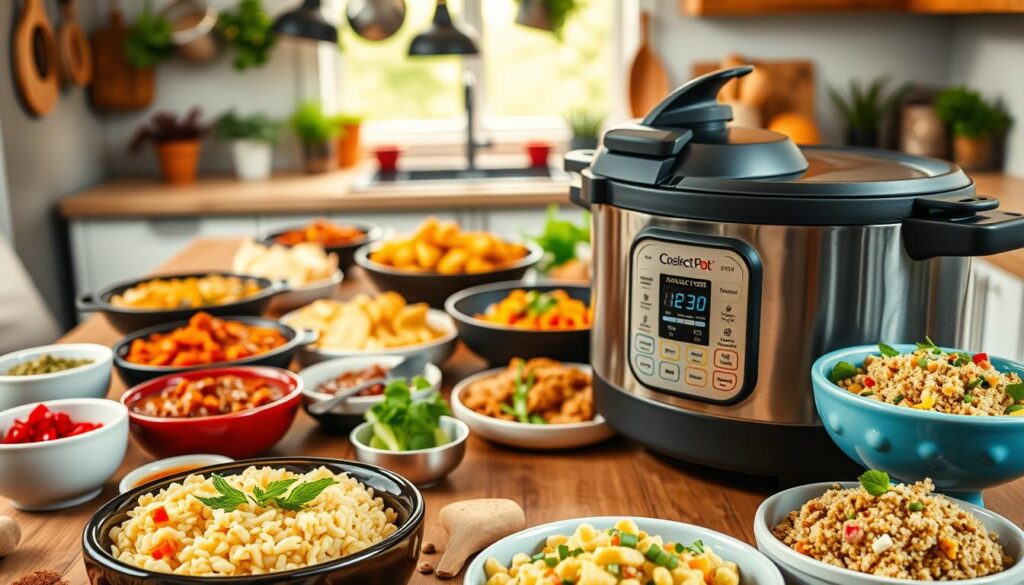
Busy nights often mean we need meals that are comforting and quick. A pressure cooker helps us make dishes with deep flavors fast. Unlike a slow cooker, these recipes are ready in under thirty minutes.
Beef Stroganoff
Ground beef makes this classic dish budget-friendly and fast. We brown the meat with onions and mushrooms in the pot. Then, we add broth and seasonings.
After the pressure builds, the beef soaks up the flavors. This makes a rich sauce for the egg noodles. Quick pressure release keeps the noodles firm and the sauce perfect.
Lemon Garlic Shrimp and Asparagus
This dish is light and fresh, with shrimp and asparagus. A pressure cooker cooks delicate ingredients well with the right timing. We layer asparagus at the bottom and shrimp on top for even cooking.
The lemon and garlic add a bright, refreshing taste. Shrimp cooks quickly, so we release pressure right after the timer goes off. This keeps the shrimp tender.
| Feature | Pressure Cooker | Slow Cooker |
|---|---|---|
| Cooking Speed | Very Fast | Very Slow |
| Flavor Depth | High | High |
| Best For | Last-minute meals | All-day preparation |
| Texture Control | Precise | Soft/Tender |
Preparing Healthy Snacks in a Flash
Quick, nutritious snacks are just a few minutes away with high-pressure cooking. Many people don’t use their pressure cooker for snacks, but it’s a great tool. It cooks food fast, keeping it fresh and full of nutrients.
Steamed Broccoli and Cheese
Steaming veggies is easy with your device. Use a steamer basket for a short cycle of one to two minutes. This keeps broccoli bright green and crunchy.
After cooking, do a quick pressure release to avoid overcooking. Then, mix the hot broccoli with cheese for a tasty, protein-rich snack. This way, you can enjoy healthy veggies even when you’re busy.
Hard-Boiled Eggs 101
Hard-boiled eggs are great for a healthy diet. They’re a convenient protein source for snacks or quick lunches. Your pressure cooker works well for making them, just like a dedicated egg cooker.
Here’s how to do it:
- Put one cup of water in the pot.
- Place eggs on a rack to keep them off the bottom.
- Cook on high pressure for five minutes, then wait five minutes before opening.
- Put the eggs in an ice bath to stop cooking.
This method makes the shells easy to remove. By learning this high-pressure cooking trick, you’ll always have a snack ready in the fridge.
Easy Desserts You Can Make in a Pressure Cooker
Many people think pressure cookers are only for savory dishes. But, they’re great for making sweet treats too. With the right containers, your kitchen can turn into a mini bakery.
Chocolate Lava Cake
Making a cake with a gooey center is hard in a regular oven. But, a pressure cooker makes it effortless. Use ramekins for even heat.
The secret is in the timing and how you release the pressure. Let it release naturally to keep the center gooey. This way, the edges will set just right.
Rice Pudding with Cinnamon
Rice pudding is a classic comfort food. The pressure cooker makes it luxuriously creamy. It’s hard to get this texture on a stovetop.
Adding cinnamon before cooking gives it a warm flavor. After cooking, add cream or milk for the right consistency. This shows how versatile your appliance is.
| Dessert Type | Prep Time | Cook Time | Release Method |
|---|---|---|---|
| Chocolate Lava Cake | 10 Minutes | 8 Minutes | Natural Release |
| Rice Pudding | 5 Minutes | 12 Minutes | Natural Release |
| Steamed Apples | 5 Minutes | 5 Minutes | Quick Release |
Tips for Perfect Pressure Cooker Meals
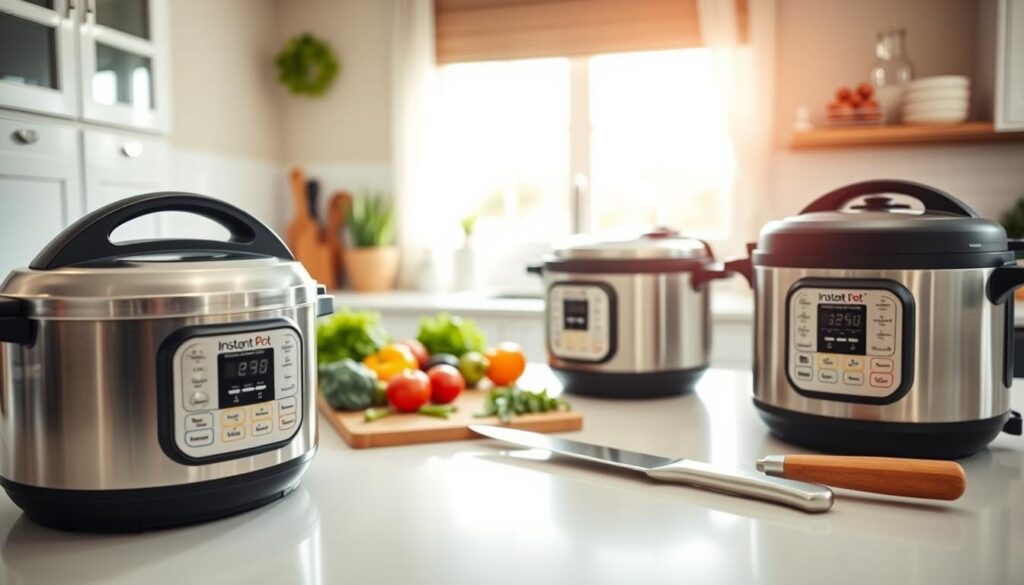
Whether you’re using an Instant pot or a traditional stovetop pressure cooker, precision is key. We’ve found that small changes in technique can greatly enhance your dishes’ texture and taste. By honing your cooking skills, you can tailor any recipe to your cooker.
Proper Liquid Ratios
Every pressure cooker needs a certain amount of liquid to work. Without enough, you might get a burn warning or struggle to reach full pressure. For instance, a hearty vegetable soup needs four cups of low-sodium broth for even heating.
For soups and stews, we recommend a natural release. Letting the pressure drop naturally for five minutes helps flavors blend perfectly. This step also prevents the liquid from overflowing when you open the valve.
Adjusting Cooking Times for Different Ingredients
Different ingredients react differently under high pressure. Unlike a rice cooker, your pressure cooker needs timing adjustments. Dense items like dry beans or tough meat take longer than delicate veggies or grains.
Always remember that your model might need testing for your favorite recipes. Programs on an Instant pot might not work the same on a stovetop pressure cooker. Use this guide to adjust cooking times and liquid for common ingredients.
| Ingredient | Liquid Ratio | Cooking Time | Release Method |
|---|---|---|---|
| White Rice | 1:1 | 3-5 Minutes | Natural |
| Dry Beans | 1:3 | 25-30 Minutes | Natural |
| Root Vegetables | 1:0.5 | 4-6 Minutes | Quick |
| Chicken Breast | 1:0.5 | 8-10 Minutes | Natural |
How to Clean and Maintain Your Pressure Cooker
Keeping your kitchen appliance in top shape is key. It ensures every meal is safe and delicious. Regular care extends your device’s life and keeps flavors pure.
Regular Maintenance Tips
Do a quick check after each use to keep things running smoothly. Always look at the sealing ring for wear or cracks. This part is crucial for keeping pressure in.
- Clear the steam-release valve of any food debris.
- Wipe down the lid and the rim of the inner pot.
- Check the condensation collector to prevent mold buildup.
If the steam valve is clogged, use a small brush to clean it. A well-maintained kitchen appliance will serve you for years.
Deep Cleaning When Necessary
At times, your pot needs a deep clean, like after sautéing. If you see browned bits on the bottom, soak the pot in warm, soapy water first. This helps avoid scratches.
“Proper maintenance is the bridge between a good meal and a great one; treat your tools with respect, and they will reward you with consistent performance.”
A pressure canner needs special safety checks. Always check your manual for specific cleaning and replacement instructions.
| Component | Action | Frequency |
|---|---|---|
| Sealing Ring | Inspect for cracks | Every use |
| Steam Valve | Clear debris | Every use |
| Inner Pot | Deep scrub | As needed |
| Pressure Canner | Calibration check | Annually |
Pressure Cooker Cooking Myths: Debunked
Let’s explore the most common myths about pressure cookers. These myths often make home cooks hesitant to use them. But, with modern technology, you can easily separate fact from fiction in your kitchen.
Myth: It Can Explode
Many worry that a pressure cooker might explode. But this fear mostly comes from old stovetop models. Today’s electric pressure cookers have multiple safety systems to prevent such accidents. They also have automatic sensors to control temperature and pressure.
To stay safe, always follow the manufacturer’s instructions. Never try to open the lid while it’s still pressurized. By letting the pressure release naturally or using the quick-release valve, you ensure a safe cooking process.
Myth: Only for Meats
Some think pressure cookers are only for meat dishes. But, they are much more versatile than a slow cooker. While a slow cooker is great for slow cooking, a pressure cooker cooks food quickly. It’s perfect for grains, beans, vegetables, and even oatmeal.
You can safely cook frozen ingredients with the right recipes. This makes pressure cookers a great, fast alternative to slow cookers. Here’s a comparison of cooking methods for different foods.
| Food Category | Pressure Cooker | Slow Cooker |
|---|---|---|
| Dried Beans | Fast (45 mins) | Slow (6-8 hours) |
| Root Vegetables | Excellent texture | Can become mushy |
| Whole Grains | Consistent results | Not recommended |
| Tough Meat Cuts | Tender in minutes | Tender in hours |
Conclusion: Embracing Pressure Cooking for Healthier Living
Learning to use a pressure cooker changes how we plan meals. It’s fast and easy, perfect for a busy life.
Having items like shredded chicken and steel-cut oats ready makes eating healthy easy. They’re the base for many healthy meals all week.
Pressure cooking is great for quick meals on busy nights. Make sure you pick the right size and measure liquids carefully.
Always be safe and adjust cooking times for different foods. It’s best used alongside other cooking methods, not instead of them.
Try new recipes and flavors in your kitchen today. Share your best dishes with us and keep discovering with your modern kitchen tools.