
 David Joseph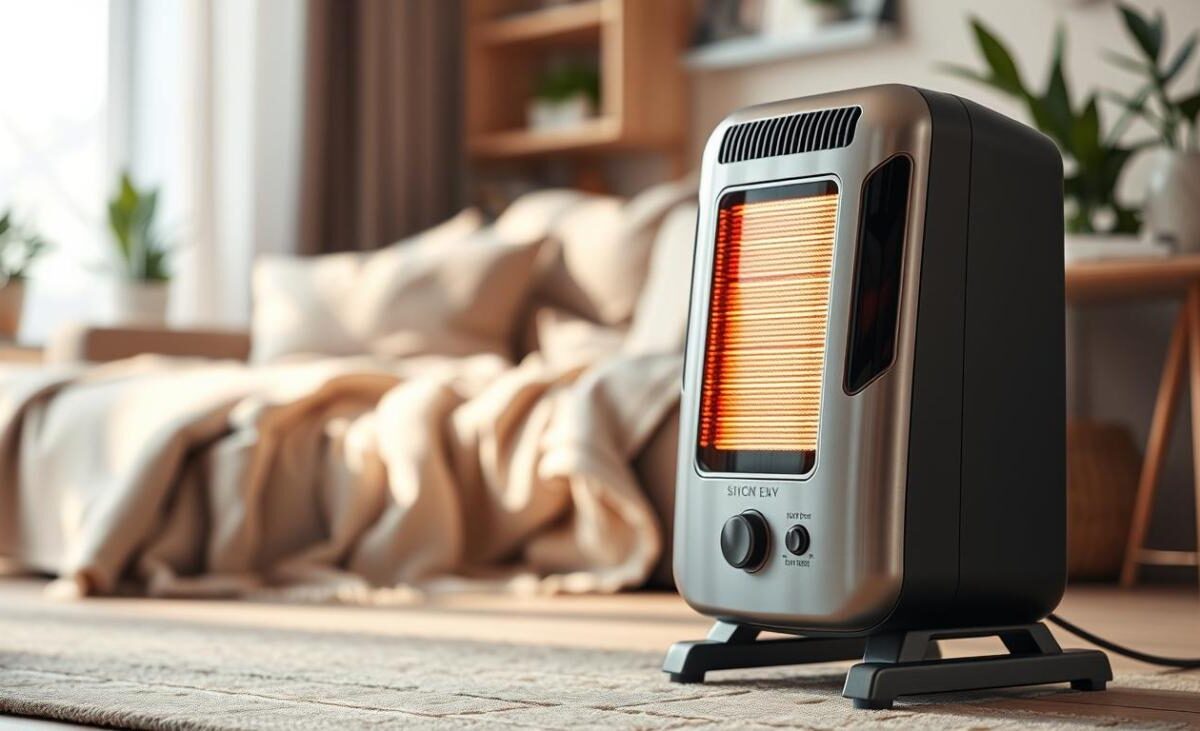
Did you know that nearly 30% of homeowners struggle to keep specific rooms at a comfortable temperature during the winter months? Many of us deal with drafty bonus rooms or frigid basements. These make working or relaxing feel like a chore. A portable heater offers a simple, effective way to reclaim your comfort without adjusting the entire house thermostat.
Whether you need to warm a chilly home office or take the edge off a cold evening, finding the right space heater is essential. We believe that the perfect unit depends on your unique needs, including room size and heating speed. Investing in the correct model helps you stay cozy while keeping your total budget in check.
Key Takeaways
- Identify the specific square footage of the room you need to warm.
- Prioritize safety features like tip-over protection and automatic shut-off.
- Consider energy efficiency to manage your monthly utility costs.
- Match the heating technology to your specific environment and noise preferences.
- Evaluate the portability and design to ensure it fits your living space.
Understanding Portable Heaters
When it gets cold, we look for ways to stay cozy without heating the whole house. A portable electric heater is a great tool for warming up specific rooms. They provide warmth exactly where we need it.
What is a Portable Heater?
A portable heater is a small appliance that adds warmth to one room or area. It’s different from central heating that heats the whole building. These units focus on specific zones, making them efficient for personal comfort.
Most modern portable heaters are light and easy to move. Whether you’re working or relaxing, a space heater can quickly warm you up. They work by turning electrical energy into heat.
Benefits of Using a Portable Heater
One big advantage of an electric heater is zone heating. By warming only the rooms we use, we can lower our central thermostat. This helps us save energy and cut down on utility costs in winter.
These heaters also heat up fast. Unlike central systems, a good space heater can warm a room quickly. They’re perfect for chilly mornings or drafty spots.
Common Types of Portable Heaters
The market has many designs to fit different needs. Knowing the differences helps us choose the best electric heater for our space. Here are the main types:
- Fan-Forced Heaters: These use a fan to spread warmth quickly across a room.
- Radiant Heaters: They emit infrared heat, warming objects and people like sunlight.
- Oil-Filled Radiators: These heat oil inside, then radiate warmth steadily for a long time.
- Ceramic Heaters: They use ceramic plates to generate heat, often in compact and durable designs.
Choosing the right portable electric heater depends on our space and heating needs. By looking at these options, we can keep our home cozy during the coldest times.
Identifying Your Heating Needs
Finding the right heater is key to staying warm this winter. Before buying a new unit, think about your living space’s needs. Knowing these details helps pick a heater that’s just right for you.
Room Size Considerations
The size of your room affects how well a space heater works. A common rule is 10 watts for every square foot. This helps you choose the right size to avoid wasting energy.
For a small heater, check the packaging for the right square footage. This ensures your heater doesn’t work too hard, saving energy and keeping your room warm.
Insulation and Heat Retention
How well your home keeps heat is crucial. Rooms with bad insulation or drafty windows lose heat fast. You might need a stronger heater to keep up.
Good insulation keeps heat in. If your room is cold, try weather stripping or thermal curtains. These can make your heater work better.
Personal Comfort Levels
Comfort is personal. Some like a space heater for quick warmth in the morning. Others prefer a small heater for quiet, steady warmth in a room.
Think about how you’ll use your portable room heater. For quick warmth, choose fast-acting models. For all-day comfort, look for adjustable thermostats and energy-saving features.
Energy Efficiency Considerations
Exploring heating technology means looking at how power turns into warmth. Some think certain heaters are more efficient. But, every electric heater turns all electricity into heat. This means you get as much heat as power used in your room.
Energy Ratings Explained
Looking for an energy efficient heater? Focus on wattage, not percentages. Portable heaters usually use 750 to 1,500 watts. Choosing a heater with adjustable wattage helps control power use based on room size.
Want to know more about these devices? Check out the pros and cons of electric space heaters. Matching wattage to room size helps manage bills.
Comparing Different Heater Types
Electricity to heat conversion is the same, but heat distribution differs. Some use fans, others radiant heat. Picking the right space heater depends on comfort and home layout.
| Heater Type | Best Use Case | Heat Distribution |
|---|---|---|
| Ceramic | Small rooms | Fan-forced |
| Infrared | Direct warmth | Radiant |
| Oil-Filled | Large, quiet spaces | Convection |
Long-Term Cost Savings
Long-term savings come from avoiding energy waste. Pick the lowest wattage for your space. Proper sizing keeps costs down without sacrificing comfort.
- Use a thermostat to maintain a steady temperature.
- Choose a model with an auto-shutoff feature.
- Match the heater output to the square footage of the room.
An energy efficient heater is one used wisely. By setting it right and picking the right heater, you can stay warm without breaking the bank.
Safety Features to Look For
Understanding the safety features of a portable electric heater is key to feeling safe during cold months. These devices add warmth but need safety features to protect our homes and families. Always plug your heater directly into a wall outlet, as power bars can’t handle the high wattage.
Overheat Protection
Modern heaters have an automatic thermal cut-off sensor. This sensor checks the heater’s temperature all the time. If it gets too hot, the heater turns off to prevent fires.
Tip-Over Safety Switch
Accidents can happen, like in busy homes with kids or pets. A good portable electric heater has a tip-over switch at the base. If it falls or is knocked over, the power stops right away, keeping the heating element safe.
Cool-Touch Exterior
Look for heaters with a cool-touch housing. This design keeps the outer casing safe to touch, even when it’s hot. It’s crucial for families who want to avoid burns.
“Safety is not just a feature; it is the foundation of a comfortable home environment. When using heating appliances, vigilance is our best defense against accidents.”
| Safety Feature | Primary Benefit | Target User |
|---|---|---|
| Overheat Protection | Prevents internal fires | All households |
| Tip-Over Switch | Stops operation if dropped | Homes with pets/kids |
| Cool-Touch Case | Prevents skin burns | Families with toddlers |
By focusing on these safety standards, we can enjoy our portable electric heater safely. Always check your heater before use to make sure all safety features work.
Types of Portable Heaters
Understanding how modern heaters work is key to finding the right one for us. Different technologies have their own benefits, depending on our room size and comfort needs.
Space Heaters
A space heater is great for adding warmth to specific spots. They’re perfect for cold areas where our main heating can’t reach. This way, we stay warm without heating the whole house.
Infrared Heaters
Infrared heaters warm objects and people directly with light waves. They offer instant warmth, making them great for drafty rooms. Plus, they’re silent, which is perfect for bedrooms or home offices.
Oil-Filled Radiator Heaters
Oil-filled radiators provide long-lasting warmth. They heat up slowly but retain heat well, even after turning off. They’re good for heating entire rooms because they keep the temperature steady.
Ceramic Heaters
A ceramic heater warms up quickly and efficiently. They’re known for their compact design and safety features. This makes them ideal for busy homes, as they’re easy to move around.
| Heater Type | Best For | Key Advantage |
|---|---|---|
| Infrared | Spot heating | Silent operation |
| Oil-Filled | Whole-room | Heat retention |
| Ceramic | Rapid warmth | Portability |
Choosing the right portable heater depends on our lifestyle. Whether we prefer a space heater for convenience or a ceramic heater for speed, knowing their differences helps us stay warm all winter.
Portability and Design
A great heater should be easy to handle and warm your space well. When moving warmth around your home, the heater’s design matters as much as its heat.
Weight and Size Factors
The best portable room heater models focus on ease of use. Look for units with handles or smooth-rolling wheels. These make moving the heater across floors easy.
Being small is key for storing the heater when it’s not needed. A smaller size means you can store it without taking up too much space.
Cord Length and Storage
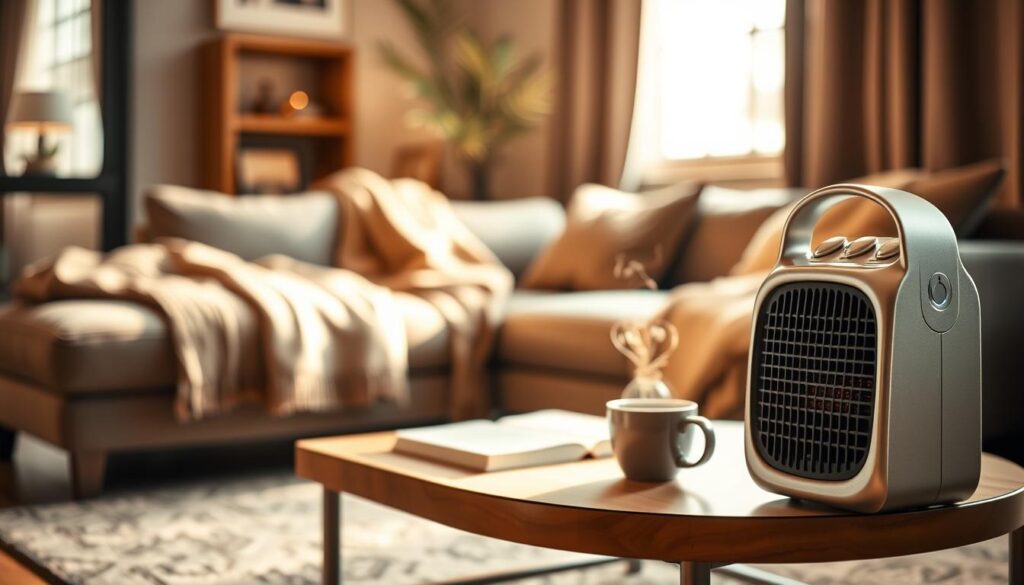
The power cord’s length affects where you can place the heater. Choose a model with a 70 inches long cord. This lets you reach outlets without needing a risky extension cord.
Good cable management is also important. Look for these features:
- Built-in cord wraps to keep wires neat.
- Recessed storage compartments for a clean look.
- Durable cord insulation to prevent fraying over time.
Aesthetic Appeal
Your heating equipment doesn’t have to be ugly. Modern makers focus on sleek designs and neutral colors. This lets a portable radiator heater fit right in with your decor.
Whether you like a modern or classic look, there’s a design for you. A heater that looks good in your living room makes it comfortable to leave out for guests.
Noise Levels and Operation
Finding the right balance between warmth and silence is key for a cozy home. When picking a small heater, the sound it makes matters a lot. This is true, even more so in quiet spots like bedrooms or home offices.
Quiet vs. Noisy Heaters
Heating units don’t all make the same amount of noise. Radiant models, like a quiet infrared space heater, work silently because they don’t have moving parts. On the other hand, fan-forced heaters have blowers that make a humming sound.
Fan Noise Considerations
If you’re easily bothered by noise, the fan’s constant sound can be distracting. It’s a good idea to test the heater in a quiet room first. Choosing a model with high-quality fan bearings can help lessen the noise that bothers people.
Operating Modes and Settings
Today’s devices come with different settings to control heat and sound. Many have power modes that let you slow down the fan when the room is warm enough. Lowering the intensity often means less noise.
Some heaters also have a fan-only mode. This lets you use the small heater for air flow in warmer months without heating up. By tweaking these settings, you can keep your home quiet and comfy all year round.
Maintenance and Care
Keeping your heating device in top shape is key for a warm winter. Spending a bit of time on regular checks can make your portable electric heater last longer. This not only boosts efficiency but also keeps your home safe.
Cleaning Your Portable Heater
Dust and dirt can harm your heater’s inner parts. They build up in vents and filters, making the motor work too hard. Use a vacuum or a soft cloth to clean the outside grilles every few weeks.
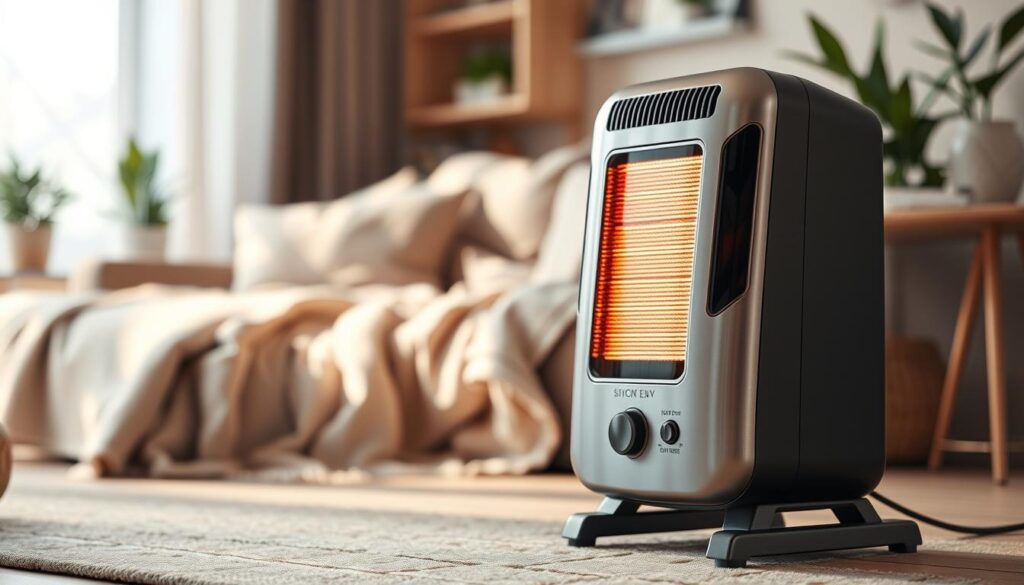
If your heater has a removable filter, wash it with warm water and let it dry. Never use strong cleaners or rough scrubbers on the outside. Clearing the airflow path is the best way to keep your heater working well.
Seasonal Maintenance Tips
When it gets warmer, clean your heater before storing it. Clean it well and store it in a cool, dry place. Use its original box or a sealed bag to keep it dust-free.
Before the first cold weather, check the power cord for damage. If it looks worn, don’t use the portable electric heater until it’s fixed. A quick check ensures it’s ready to warm you up when it’s cold.
Troubleshooting Common Issues
Small problems often have easy fixes. If your heater won’t turn on, check the outlet and plug. Many heaters have a tip-over safety switch that turns off if it’s not level.
If your heater turns off by itself, it might be the overheat sensor. Make sure there’s enough space around it and nothing blocks the air. Never put anything, like clothes, over a space heater because it’s very dangerous.
Brand Recommendations
Choosing a reputable brand is key to quality and safety in your home. A well-known manufacturer offers proven technology and reliable performance. For more on our commitment to quality, visit our about us page.
Top Portable Heater Brands in the Market
Many options are available, but some brands stand out for their durability. Lasko and Honeywell are leaders, offering a range of models for different needs. They have everything from compact ceramic heaters for desks to larger units for living rooms.
Prices vary from $25 to $155, based on features and power. You can find an efficient option within your budget.
Comparing Consumer Reviews and Ratings
It’s wise to read real-world feedback before buying. Consumer ratings show how an electric heater performs in daily use. Look for common themes in reviews, like noise, heating speed, and build quality.
- Check for consistent positive feedback on safety features.
- Look for mentions of long-term reliability.
- Evaluate how the unit handles different room sizes.
Warranties and Customer Support
A good warranty shows a company’s confidence in its electric heater. Always check the warranty before buying. It protects your investment against defects. Reliable customer support is also crucial for help with your ceramic heater.
| Feature | Importance | What to Check |
|---|---|---|
| Warranty | High | Duration and coverage scope |
| Support | Medium | Availability of phone or email help |
| Reviews | High | Verified user experiences |
By looking into these details, you can trust your heater’s durability and performance. Researching brands ensures your home stays warm and cozy all winter.
Budgeting for Your Purchase
Choosing a new heater is more than just picking a model. It’s about smart financial planning. Setting a clear budget helps us avoid overspending and keeps our home cozy during cold months.
Setting a Reasonable Price Range
Remember, a 1,500-watt heater is safe for most home outlets. Models in this range usually work well for typical living spaces.
We should break our budget into three parts to find the right heater:
- Entry-level: Basic models for simple heat.
- Mid-range: Units with durability, quiet operation, and safety features.
- Premium: High-end devices with advanced tech like programmable thermostats.
Cost vs. Feature Analysis
It’s easy to get caught up in fancy features. But, we should focus on what’s essential for comfort. An energy efficient heater might cost more upfront but saves money on bills over time.
Before deciding, think about what features we really need. For example, a small heater for a home office might not need advanced features.
Where to Find the Best Deals
Buying at the right time can save a lot of money. Look for deals during the off-season or holiday sales.
To find the best value, try these tips:
- Compare prices online to see market trends.
- Check for coupons or discounts on official websites.
- Read customer reviews to ensure quality, even at lower prices.
By being patient and doing our homework, we can find a great small heater within our budget. Investing in an energy efficient heater is a smart choice for comfort and savings.
Final Thoughts on Choosing a Portable Heater
Finding the right portable heater is all about safety, efficiency, and what you like. We’ve looked at key features that make a portable heater a great choice for any room in winter.
Key Factors for Your Decision
Look for heaters with strong safety features like tip-over switches and overheat protection. Make sure the heater is the right size for your room. This way, it heats well without using too much energy. Brands like Lasko and Vornado have many models to choose from.
Optimizing Your Home Environment
A good portable heater works best in a well-insulated home. Try installing weather stripping around doors and windows to keep drafts out. This easy step helps your heater work better and keeps your home warm.
Embracing Winter Comfort
Choosing the right heater means you can relax all winter. We hope this guide helps you pick the perfect heater for your needs and budget. Enjoy the steady, reliable warmth your new portable heater brings to your family.