
 David Joseph
Did you know over 200 million Americans have drunk water from systems with health violations? Having clean, healthy water at home is now a fundamental necessity.
We’ve spent over a decade testing to find the best water purifier for your home. Our team uses real data to cut through marketing and give you clear advice.
In our 2026 tests, the AquaTru Carafe scored 9.57/10. Check out our water purifier options to find the best for you. We believe in clear testing to help you choose the best for your family.
Key Takeaways
- Over 200 million Americans face potential tap contamination issues.
- Our testing process spans a full decade of objective data analysis.
- The AquaTru Carafe achieved a top-tier score of 9.57/10 in 2026.
- We prioritize performance metrics over brand marketing claims.
- Selecting the right system is essential for long-term household safety.
What is a Water Purifier?
A water purifier is a key part of keeping your home’s water safe. It removes harmful stuff like chemicals and germs from your tap water.
By adding one to your home, you make sure every drink is clean and safe. We think clean water is essential for staying healthy.
Definition and Importance
A water purifier is a smart device that makes tap water safer and cleaner. It gets rid of bad stuff that could harm you or change the taste of your drinks.
Consistency is key when it comes to water quality. Using these systems means your family is safe from hidden dangers like heavy metals or chlorine byproducts.
How Water Purifiers Work
These units work by using several steps to clean your water. They use mechanical filters, carbon adsorption, and reverse osmosis membranes to catch and remove impurities.
Mechanical filters catch big particles, while carbon layers get rid of smells and tastes. The water purifier then uses high-pressure membranes to filter out tiny contaminants. This leaves you with pure, clean water.
Benefits of Using a Water Purifier
When we think about our tap water, using a water purifier is a smart choice. These systems make sure every glass of water is clean and free from harmful additives.
Improved Taste and Odor
Many tap waters have chlorine to kill bacteria, leaving a bad smell and taste. Advanced filters can remove these chemicals.
This means you get clean, fresh water that tastes great. Enjoying the pure taste of your water helps you drink more throughout the day.
Health Benefits
The main water purifier benefits are removing harmful substances. These systems catch heavy metals like lead and mercury before they reach your water.
“Water is the driving force of all nature.”
Keeping your family safe from these dangers is crucial. We think clean water is essential for a healthy home.
Environmental Impact
Using a home filter cuts down on plastic bottle use. This small change helps reduce plastic waste in our oceans and landfills.
Choosing a water purifier helps the planet and saves money on bottled water. It’s a win-win for your home and the environment.
Types of Water Purifiers
Knowing how different devices work helps you pick the best water purifier for your home. Since water quality varies, we need to look at specific technologies. You can find a helpful guide to types of water purifiers to help you decide.
Reverse Osmosis (RO)
Reverse osmosis is a top choice for cleaning tap water. It pushes water through a special membrane to remove many dissolved solids.
The Cloud RO system is certified to NSF/ANSI 58. This means it reliably cuts down on contaminants, giving you peace of mind for your family’s health.
Activated Carbon Filters
Activated carbon is great if you want better-tasting water. These filters soak up organic compounds that cause bad tastes and smells.
“Clean water is the foundation of a healthy life, and choosing the right filtration method is the first step toward achieving it.”
UV Purifiers
For fighting off biological threats, UV is the best. These systems use ultraviolet light to kill bacteria and viruses. This way, your water purifier keeps your water safe without adding chemicals.
Key Features to Look for in a Water Purifier
Choosing a good water purifier for home is more than picking a popular one. You should look closely at the technical details before buying. This way, you’ll get clean and safe water for a long time.
Filtration Technology
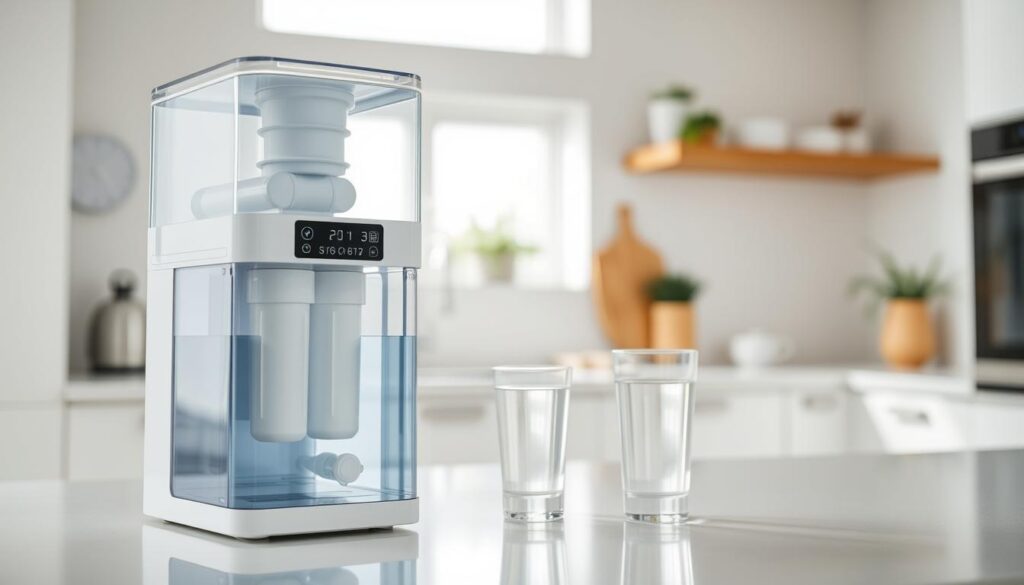
The filtration technology is key. You need to know what’s in your water to pick the right one. Whether it’s heavy metals, chlorine, or sediment, the right filter is crucial.
Flow Rate and Capacity
Think about how much water your family uses every day. A system that can’t keep up is a problem. For example, the SpringWell CF whole house filter can handle up to 1M gallons, great for big families.
Ease of Maintenance
Don’t forget about maintenance. A hard-to-maintain system can lead to poor water quality. Look for models that are easy to change filters on. This keeps your water purifier for home working well.
Top Water Purifier Brands in the Market
Finding the best water purifier means choosing a brand known for quality. The market is full of trusted manufacturers. We’ve looked at many to guide you through the top water purifier brands.
Need a simple countertop unit or a whole-house solution? Reliable brands offer what you need. Recent water purifier reviews show that well-known brands offer better support and filters. Clearly Filtered and SpringWell are known for their quality and results.
Brita
Brita is a well-known name for affordable water purifiers. Their pitchers and faucet systems are great for improving tap water taste. They’re highly convenient for renters or anyone needing a simple solution.
AquaTru
AquaTru offers advanced countertop reverse osmosis systems. They’re known for removing many contaminants easily. Their compact design is perfect for small kitchens.
Berkey
Berkey is known for its durable, gravity-fed stainless steel systems. They work without electricity. These units are incredibly durable and great for off-grid living or emergencies. A Berkey system is a reliable choice for families.
How to Choose the Right Water Purifier for Your Home
Choosing the best water purifier is about finding the right balance. It’s about making sure you get clean water without spending too much. By following a few steps, you can find the perfect system for your home.
Assessing Your Water Quality
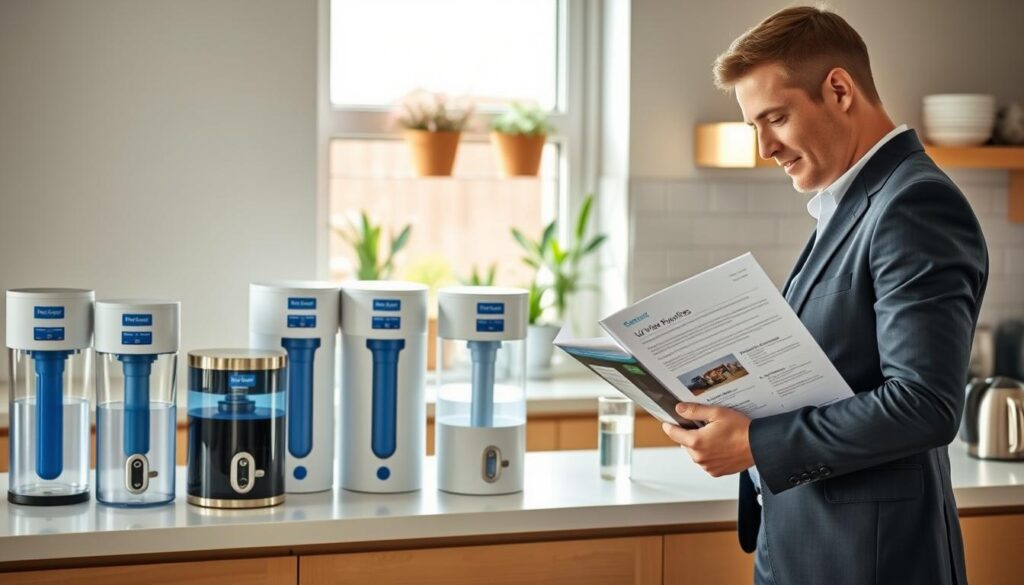
The first thing to do is figure out what’s in your tap water. We suggest getting a lab test to find out about lead, chlorine, and heavy metals. This helps you pick the right filter for your water.
Understanding Your Budget
Looking for an affordable water purifier means more than just the price. Think about the cost of filters and maintenance over time. A cheap system can end up costing more if it needs frequent filter changes.
Evaluating Space Requirements
When picking a water purifier for home, think about your kitchen space. Under-sink systems are neat but need a lot of room. Countertop models are better for small kitchens where space is tight.
| System Type | Space Needed | Maintenance Cost | Installation Difficulty |
|---|---|---|---|
| Pitcher | Minimal | Low | None |
| Countertop | Moderate | Medium | Easy |
| Under-Sink | High | High | Complex |
By considering these points, you can choose a water purifier that’s worth it. Doing your research now will save you money and hassle later.
Installation and Maintenance of Water Purifiers
We believe that taking control of your water quality starts with a reliable water purifier installation and a proactive maintenance routine. Proper setup is the foundation for ensuring your system functions at peak efficiency. This provides you with clean water for years to come.
If you are looking for guidance on how to manage these tasks effectively, you can learn more about how to install and maintain a tap water filter at home. Taking these steps early on will save you time and prevent potential issues down the road.
DIY Installation Tips
Many modern systems are designed with the user in mind, making the process accessible for almost anyone. For instance, the Clearly Filtered 3-Stage system is designed for a straightforward DIY installation. It typically takes about 15 minutes to complete.
Before you begin, always clear your workspace and gather the necessary tools. Following the manufacturer’s instructions is the most important step to avoid leaks and ensure a proper seal. If you feel unsure at any point, do not hesitate to consult the provided manual or reach out to customer support for clarification.
Routine Maintenance Checklist
Consistent water purifier maintenance is essential to keep your device performing at its best. By tracking your filter replacement schedule, you ensure that your water remains free of contaminants and tastes fresh.
We recommend keeping a simple log or setting digital reminders to stay on top of your system’s needs. Here is a basic checklist to help you maintain your water purifier effectively:
- Check filter life: Replace cartridges according to the manufacturer’s recommended timeline or usage volume.
- Inspect connections: Periodically check hoses and fittings for any signs of moisture or leaks.
- Clean the exterior: Wipe down the unit housing with a damp cloth to prevent dust and grime buildup.
- Flush the system: Perform a periodic flush if the unit has been inactive for an extended period.
By staying diligent with these tasks, you extend the lifespan of your device significantly. Investing a little time in your water purifier today guarantees that your household continues to enjoy safe, high-quality drinking water every single day.
Common Myths About Water Purifiers
We often hear claims about water treatment that don’t stand up to science. Many think any water purifier can remove all contaminants from tap water. But this is not true, and false beliefs can harm your family’s health.
Myth: All Water Purifiers Remove Fluoride
Many believe all filters can remove fluoride from water. But most carbon filters can’t do this. If you want to reduce fluoride, look for systems with specialized media.
For example, the British Berkefeld has been tested to reduce fluoride levels. Always check the manufacturer’s certifications before assuming your water purifier can handle specific chemicals.
Myth: Boiling Water is Sufficient
Boiling water is thought to solve all water quality problems. But it only kills biological pathogens like bacteria and viruses. It doesn’t remove heavy metals, pesticides, or chemical pollutants. Boiling can even make these substances more concentrated.
To keep your water safe, use a water purifier with multi-stage filtration. Relying only on heat is outdated and leaves your water at risk from non-biological contaminants.
| Contaminant Type | Boiling | Standard Carbon Filter | Advanced Water Purifier |
|---|---|---|---|
| Bacteria/Viruses | Effective | Limited | Highly Effective |
| Heavy Metals | Ineffective | Limited | Highly Effective |
| Fluoride | Ineffective | Ineffective | Effective (if certified) |
| Chemical Pollutants | Ineffective | Effective | Highly Effective |
Knowing these limitations helps you choose the right water purifier for your home. By focusing on proven technology, you can ensure your water is safe and clean.
Conclusion: Making the Right Choice for Clean Water
Having clean water is key to a healthy life. Choosing the right water purifier makes a big difference. It removes harmful stuff from your tap water.
Final Thoughts
Finding the best water purifier for your home is important. Look at brands like Brita, AquaTru, and Berkey. They have different options for different water types. Check your local water report to find the best one for your family.
Encouragement to Invest in Health
Good water quality is essential for your health. A top-notch water purifier keeps you safe from harmful substances. Take action today to make your home a safe and clean place. Enjoy every sip of clean water with peace of mind.