
 David Joseph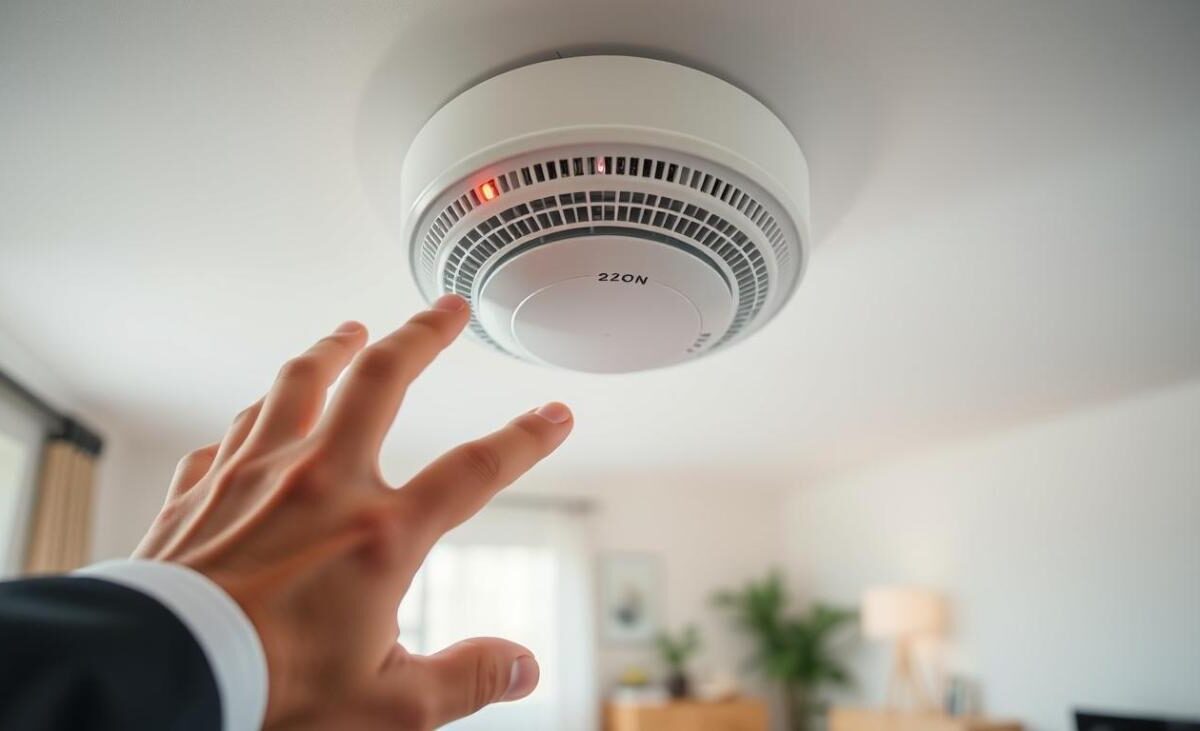
Did you know a home fire is reported in the United States every 95 seconds? This is why home safety is so important for every family. Having reliable warning systems can save lives.
Choosing the right equipment is key to protecting your home from dangers. Whether you need a standard smoke detector or a carbon monoxide detector, knowing your options is crucial. You can find out the best types of smoke alarms for your home to keep it safe.
This guide will help you understand the technology and care needed for your systems. By learning about these devices, you can make a choice that keeps your loved ones safe.
Key Takeaways
- Early warning systems are the most effective way to prevent fire-related injuries.
- Always verify that your devices meet current UL safety standards.
- Proper placement on every floor and inside bedrooms is vital for maximum protection.
- Regular maintenance, including monthly testing, ensures your equipment remains operational.
- Consider upgrading to 10-year sealed battery units to simplify your home maintenance routine.
Understanding the Importance of Smoke Detectors
We often overlook fire safety until an emergency hits us hard. A smoke detector is the best and cheapest way to warn us of a fire early. It gives us the time we need to get out safely.
What Makes Smoke Detectors Essential?
A fire alarm catches smoke or heat before a fire gets out of control. This early warning is key to less damage and fewer injuries. By focusing on home safety, we keep our homes safe from unexpected dangers.
Statistics on Home Fires
Fire risks in the U.S. are serious. A home fire is reported every 95 seconds. This shows why a reliable fire alarm is crucial for our safety.
| Risk Factor | Impact on Safety | Mitigation Strategy |
|---|---|---|
| Fire Frequency | High (Every 95 seconds) | Install working alarms |
| Smoke Inhalation | Primary cause of injury | Early warning systems |
| Property Damage | Significant financial loss | Rapid response detection |
Common Misconceptions about Smoke Detectors
Many think a disconnected or expired smoke detector still protects us. This is a dangerous myth that can lead to tragic outcomes. Only a fully working, well-kept fire alarm can truly protect our families.
Another mistake is thinking one device is enough for a whole house. Proper home safety needs multiple units in key spots. By clearing up these myths, we can better defend against fire dangers.
Types of Smoke Detectors Available
Choosing the right smoke detector is key to keeping your family safe. With so many types out there, picking the right one is crucial. You can also check out 6 affordable home gadgets to boost your home’s safety.
Ionization vs. Photoelectric Models
There are two main types of sensors in a fire alarm. Ionization sensors work well with fast-burning fires. On the other hand, photoelectric sensors are great at catching smoldering fires.
“The best defense against home fires is a layered approach that accounts for the different ways fires develop and spread.”
Combination Detectors: What to Know
Many people choose a smoke alarm system with both sensors. This way, you get the best of both worlds in one device. It’s a smart choice that saves space and money.
It’s also smart to get a carbon monoxide detector in one. This adds an extra layer of protection against dangerous gases. Here’s a quick guide to help you choose the right one for your home.
| Detector Type | Best For | Primary Benefit |
|---|---|---|
| Ionization | Flaming Fires | Fast response to open flames |
| Photoelectric | Smoldering Fires | Fewer false alarms from cooking |
| Dual-Sensor | All Fire Types | Maximum protection coverage |
Smart Smoke Detectors: Pros and Cons
A smart smoke detector connects to your network. It sends alerts to your phone, keeping you safe even when you’re out. But, they cost more than regular ones.
Smart detectors are cool, but they need Wi-Fi to work. Without it, you lose their remote monitoring. It’s all about finding the right balance between cost and safety.
Key Features to Look for in a Smoke Detector
Knowing what features to look for in a smoke detector can really help keep your home safe. When you’re looking for a new smoke detector, don’t just look at how it looks. Look at what it can do. These features help your family get a warning fast if there’s a fire.
Battery Life and Power Options
The power source is key to your emergency alert device‘s reliability. Hardwired units are great for newer or updated homes because they always have power. They also have a battery backup for when the power goes out.
On the other hand, you might prefer units that use standard batteries or long-life lithium cells. Lithium cells can last up to ten years, so you don’t have to change batteries often. Make sure to check the battery needs before you buy to fit your lifestyle.
Smoke Sensitivity Levels
The sensitivity of your fire alarm is important. It affects how well it can detect different types of fires. Some alarms are better at fast fires, while others are better at slow smoldering fires. A good alarm will alert you no matter the fire type.
Sound Alerts and Other Safety Features
Features like interconnected systems add extra safety for your family. If one alarm goes off, all the others will too. This is very important in big homes where you might not hear one alarm everywhere.
| Feature Type | Primary Benefit | Best For |
|---|---|---|
| Hardwired | Constant power supply | Newer homes |
| Lithium Battery | Low maintenance | Long-term reliability |
| Interconnected | Whole-home alert | Multi-story houses |
| Smart Sensors | Remote notifications | Modern households |
Choosing the right smoke detector means finding the right mix of features for your home. By focusing on interconnected systems and reliable power, you make a strong emergency alert device network. This keeps your family safe.
Placement Strategies for Smoke Detectors
Creating a solid smoke alarm system is more than just picking the right device. It’s about where you put them in your home. The right spot is key for catching smoke early. Follow smoke detector placement tips to make your home safer.
Recommended Locations in Your Home
For the best coverage, put a smoke detector on every floor. This includes the basement, main living areas, and hallways. Also, put one in each bedroom and outside sleeping areas for night alerts.
Consistency is key for your home’s safety. Devices in key spots offer extra time to act in emergencies.
Avoiding Common Placement Mistakes
Even top-notch fire alarms can be a problem if not placed right. Stay away from kitchens and bathrooms to avoid false alarms from steam and cooking smells. These can lead to people disabling the system.
Keep detectors at least ten feet from cooking areas to avoid false alarms. Also, avoid windows, doors, and air ducts to prevent smoke detection issues.
Installing Detectors in Multi-Story Homes
In multi-story homes, smoke moves up, so place detectors high. Install them on ceilings or high walls for early detection. Put a fire alarm at the top of each stairwell to catch smoke between floors.
Don’t forget the basement, where fires can start from heating and laundry equipment. A good smoke alarm system makes your home safer and gives you peace of mind.
Maintenance Tips for Smoke Detectors
A fire alarm works best when it’s well-maintained. If you ignore it, you might feel safe when you’re not. Spend a few minutes each month to keep it ready to warn you of danger.
How to Test Your Smoke Detector
Test your smoke detector every month. Most have a test button on the front. Press and hold it until you hear the siren to check it’s working.
If it doesn’t sound, check the power source. Always check the manufacturer’s instructions for your model to test it right.
Cleaning and Battery Replacement Guidelines
Dust can block your fire alarm from working right. Clean the vents with a soft brush from a vacuum twice a year. Don’t use harsh chemicals or sprays, as they can harm the device.
Change the batteries in battery-operated units once a year or when you hear a low-battery beep. Even if it’s hardwired, it has a backup battery that needs regular replacement during power outages.
When to Replace Your Smoke Detector
Smoke detectors have a limited life. They should be replaced every 10 years, whether they’re hardwired or battery-operated. The sensors inside lose their ability to detect smoke over time.
Look for the manufacturing date on the back of the device. If you can’t find it or if it’s over 10 years old, it’s time for a new one to keep your home safe.
Homelands and Codes for Smoke Detectors
We often overlook the specific codes that govern how we protect our families from fire hazards. Navigating the complex landscape of fire safety laws is essential for every homeowner to ensure total home safety. By staying informed, you can avoid potential legal issues while keeping your loved ones secure.
Understanding Local Regulations
Local jurisdictions often set their own rules regarding the installation of a smoke detector or a carbon monoxide detector. These requirements can vary significantly depending on your city or state. Some areas mandate hardwired systems, while others allow battery-operated units in older homes.
It is vital to check your local building codes before purchasing new equipment. Following these rules ensures that your fire alarm system meets the minimum standards for your specific community. Failure to comply might even affect your insurance coverage or property resale value.
Fire Safety Legislation in the United States
National guidelines provide a baseline for protection, but they are not always the final word. The U.S. Fire Administration strongly recommends that every home utilizes both ionization and photoelectric sensors for maximum coverage. This dual-sensor approach helps detect both fast-flaming and slow-smoldering fires effectively.
Many states have adopted strict legislation requiring a carbon monoxide detector in all residential properties. These laws exist to prevent accidental poisoning from fuel-burning appliances. Always prioritize high-quality devices that carry recognized safety certifications to remain fully compliant with federal and state expectations.
Resources for Compliance Information
If you feel overwhelmed by these regulations, you are not alone. You can easily find guidance by contacting your local fire marshal or visiting your city’s official website. These professionals are dedicated to home safety and can provide specific checklists for your residence.
| Requirement Type | Common Standard | Safety Benefit |
|---|---|---|
| Sensor Type | Dual (Ionization/Photoelectric) | Detects all fire types |
| Power Source | Hardwired with Battery Backup | Ensures constant operation |
| Placement | Every Bedroom and Hallway | Provides early warning |
| CO Protection | Required near sleeping areas | Prevents toxic gas exposure |
Consulting these resources helps you maintain a reliable fire alarm system. Staying proactive with your equipment choices ensures that your home remains a safe haven for your family. Remember that these codes exist to save lives and protect your property from unexpected disasters.
Integrating Smoke Detectors with Home Automation
Connecting your fire protection to your home network adds a new layer of safety. Today’s tech lets us link our safety devices to a central hub. This keeps your home safe, even when you’re not there.
Benefits of Smart Integration
A smart smoke detector offers benefits that old models can’t. If one unit finds smoke, it alerts all others in the house at once. This ensures everyone knows, no matter where they are.
These devices also send instant notifications to your phone. You don’t just hear the alarm; you get a text too. This is great for those who travel or work long hours.
Compatible Home Automation Systems
Most devices work well with popular platforms. By picking a smoke alarm system that fits, you can control everything from one place. Systems like:
- Amazon Alexa: lets you check and get alerts with your voice.
- Google Home: works with lights to light your way in an emergency.
- Apple HomeKit: lets you monitor securely from your iPhone or iPad.
Apps and Monitoring Services to Consider
Managing your fire alarm is now easier with mobile apps. These apps let you test, check batteries, and silence false alarms easily. Many also offer professional monitoring for extra safety.
With a professional service, a center will call emergency services if your smoke detector goes off. This is key for constant protection. Getting a connected smoke alarm system makes your home safer and more responsive.
Addressing Alarms: What to Do When They Go Off
When your emergency alert device starts to sound, acting fast is crucial. The loud noise is meant to grab your attention. But staying calm helps you figure out what’s happening.
We think getting ready is the best way to keep your family safe. This is true for any unexpected situation.
Distinguishing Between Smoke and False Alarms
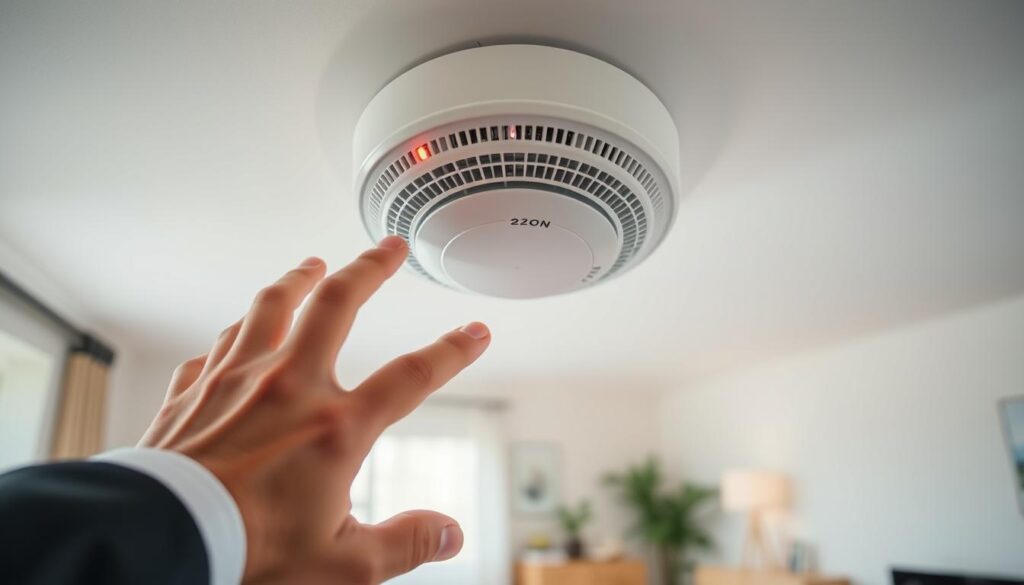
A smoke alarm system might go off because of cooking smells or steam. If you think it’s a false alarm, use the “hush” button to quiet it. Or, try waving a towel near the sensor to clear the air.
Never take out the battery to stop a false alarm. This could leave your home open to real dangers. If the alarm keeps going off, check the unit for dust or bugs that might be messing with the sensors.
Emergency Procedures for Fire Alerts
If you think there’s a real fire, act fast and carefully. Here are the key steps to get everyone to safety:
- Get out immediately: Don’t worry about your stuff or things of value.
- Stay low: Crawling under the smoke helps keep your lungs clean.
- Check doors: Feel with the back of your hand for heat before opening any door.
- Call for help: Once you’re outside, call emergency services from a neighbor’s place.
Communicating with Family During an Alarm
A fire alarm works best if everyone knows what to do. We suggest practicing your escape plan twice a year. Pick a spot outside your home where everyone should meet.
Make sure kids know the smoke detector sound and not to hide in closets. Keeping communication open turns a scary emergency alert device into a safe exit. Your smoke alarm system is just a tool. Your family’s knowledge is what keeps you safe.
Trends in Smoke Detector Technology
Looking ahead, fire detection technology is evolving fast. We’re moving away from simple alerts to devices that offer more. These modern tools are becoming key for home safety, sending real-time data to our phones.
The Rise of Smart Home Services
Now, smart smoke detectors are part of home automation systems. They send alerts if a fire alarm goes off when you’re not home. This quick notification helps get help fast, cutting down emergency response times.
“The future of safety lies in the seamless connection between our devices and our ability to act quickly when seconds matter most.”
Innovations in Sensor Technology
Sensor accuracy has improved a lot, thanks to new standards. Kidde’s DETECT smoke alarms meet the UL 9th edition standards. They detect both fast and smoldering fires better, making them more reliable.
These advancements also make carbon monoxide detectors more precise. Dual-path sensors reduce false alarms from cooking or steam. This means homeowners can trust their devices to only alert them when it’s really needed.
Future Directions for Fire Safety Devices
Looking to the future, we’ll see even more advanced features in safety devices. Devices will likely use artificial intelligence to predict dangers before they happen. Here’s what we expect to see soon:
- Predictive maintenance alerts that tell you when sensors need to be replaced.
- Improved cross-device communication where all alarms work together as one network.
- Linking with local emergency services for automatic dispatch in fire situations.
Keeping up with these trends helps you choose the best technology for your home. By focusing on these advancements, we can keep our homes safe from new threats.
Final Thoughts on Choosing Your Smoke Detector
Choosing the right smoke detector is a crucial step for your home’s safety. It can greatly increase your chances of getting out safely in case of a fire. This makes it a key investment for your family’s well-being.
Tailoring Protection to Your Home
Every home is different, with its own layout and risks. It’s important to assess your home’s layout to figure out how many smoke detectors you need. Brands like Nest and First Alert offer a range of options to fit your home’s needs.
Balancing Cost and Safety
Good safety tech doesn’t have to break the bank. Look for a balance between cost and quality that meets safety standards. A basic fire alarm can offer the protection you need without the extra cost.
Commitment to Ongoing Vigilance
Being proactive is key to keeping your family safe. Make sure to test your smoke detectors regularly and keep your emergency alert device in good working order. These simple steps can make a big difference in keeping your home safe.