
 David Joseph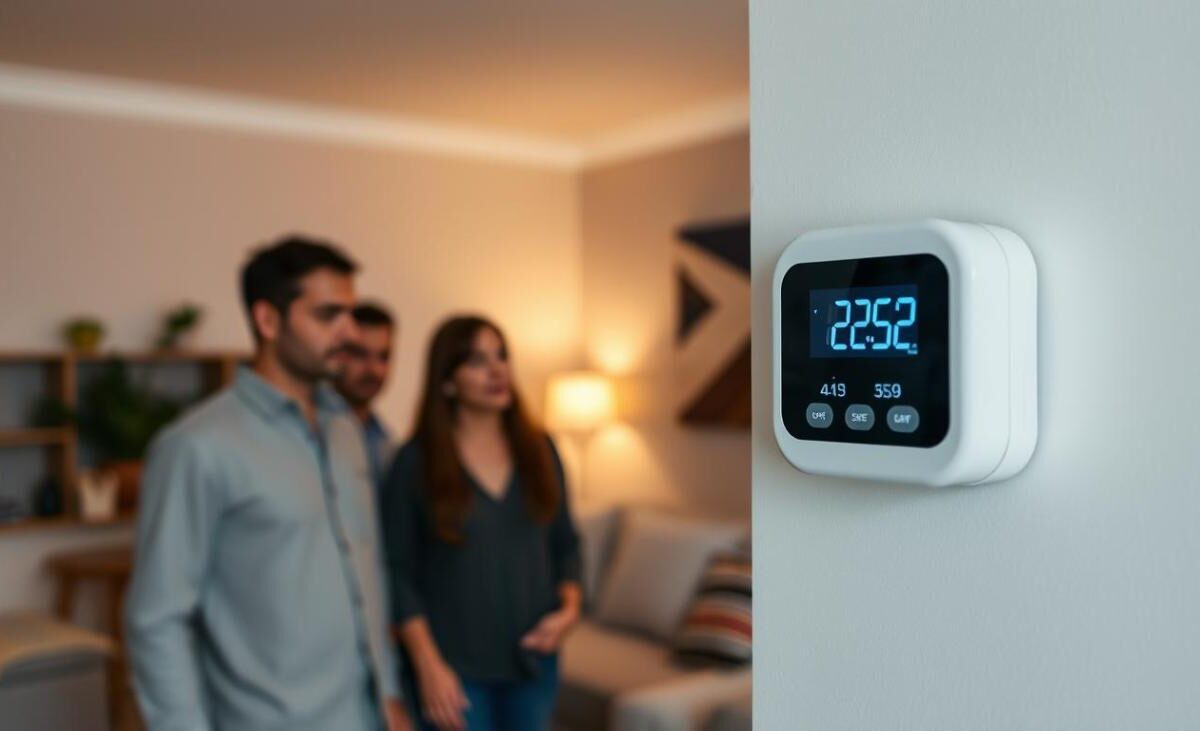
Did you know over 150 people in the United States die each year from accidental gas poisoning? This silent killer is both odorless and colorless. It’s impossible to sense without the right technology.
We believe every household should be safe. Protecting your loved ones means understanding the invisible threats in your home. Taking proactive steps is the best way to prevent tragedy.
Installing a reliable carbon monoxide detector is crucial. Our guide offers simple, effective tips to keep your home safe. By staying informed, you can protect your family from this hidden danger.
Key Takeaways
- Over 150 Americans lose their lives annually to non-fire gas poisoning.
- The gas is completely invisible, odorless, and tasteless.
- Early detection is the only way to prevent accidental exposure.
- Proper placement of safety devices is critical for maximum protection.
- Regular testing ensures your equipment functions during an emergency.
What is Carbon Monoxide and Why is it Dangerous?
Carbon monoxide is a silent killer because it has no color or smell. It comes from fuel-burning appliances. This makes it an invisible killer that can only be found with a reliable CO detector.
Understanding Carbon Monoxide
Every year, carbon monoxide kills over 400 people and sends more than 14,000 to the hospital in the U.S. It builds up fast in closed spaces, becoming deadly before anyone notices. Proper ventilation and early detection are key to avoiding this danger.
“Carbon monoxide is a silent threat that requires constant vigilance and the right safety equipment to prevent tragedy.”
No home is safe from carbon monoxide if it has fuel-burning devices. This includes gas stoves, furnaces, and water heaters. A good CO detector is essential for protecting your family.
Symptoms of Carbon Monoxide Poisoning
The signs of carbon monoxide poisoning are hard to spot because they look like the flu. If many people in your family get sick at once, think about gas poisoning. Children under 5 are extra sensitive to this gas.
Look out for these signs of poisoning:
- Dull headaches
- Weakness and dizziness
- Nausea or vomiting
- Confusion and blurred vision
- Shortness of breath
If you think you’ve been exposed, get everyone outside and call for help. Using a certified CO detector is the best way to keep your family safe. Being informed and ready is the best way to stay safe long-term.
Importance of Having a Carbon Monoxide Detector
Carbon monoxide is invisible and has no smell. A carbon monoxide alarm is your only defense. Without it, you can’t know it’s there until it’s too late. Getting one is a smart choice for every home.
Protecting Your Family and Home
The U.S. Consumer Product Safety Commission says every floor should have a carbon monoxide alarm. It’s also key to have them outside bedrooms. This way, you’re always safe, no matter the time.
“The silent nature of carbon monoxide makes it one of the most dangerous household hazards, but a properly placed alarm provides the early warning necessary to prevent tragedy.”
Here’s a simple guide to place alarms in your home:
| Location Type | Placement Priority | Safety Benefit |
|---|---|---|
| Sleeping Areas | High | Alerts during deep sleep |
| Basement/Utility | High | Detects furnace leaks early |
| Main Living Floor | Medium | Covers common gathering spaces |
| Attached Garage | Medium | Prevents vehicle exhaust buildup |
Legal Requirements in Your Area
Many states have made it law to have a carbon monoxide alarm. For example, Colorado passed a law in 2009 after some families were poisoned. These laws help keep everyone safe.
Check your local building codes to see if you need one. Following these laws keeps your family safe and avoids legal trouble. It’s a smart move for a safer home.
Choosing the Right Carbon Monoxide Detector
Finding the best carbon monoxide detector is important. You need to know the different models out there. This device is key to keeping your family safe. Prices are usually between $15 and $30, making it a good value for most families.
If buying one is hard, contact your local fire department. They might give you one for free. This way, everyone can stay safe from invisible threats.
Types of Detectors Available
There are mainly two types: plug-in carbon monoxide detector and battery-operated. Plug-in models are great for rooms with power. Portable detectors are better for travelers or renters.
Each carbon monoxide sensor has its own use. Pick one based on whether you want it to stay in one place or move it around.
| Detector Type | Primary Power Source | Best Use Case | Portability |
|---|---|---|---|
| Plug-in | Wall Outlet | Living Rooms/Hallways | Low |
| Battery-Operated | Replaceable Batteries | Bedrooms/Travel | High |
| Hardwired | Home Electrical System | New Construction | None |
Features to Look For
Look for a digital display in your detector. It shows gas levels in real-time, helping you detect issues early. Also, make sure it has a battery backup for when the power goes out.
Features like end-of-life alerts are also good. They tell you when it’s time to replace the device. Reliability is key for safety devices.
Recommended Brands
Many trusted brands are out there, like Kidde and First Alert. They are known for their quality and safety standards. Whether you pick a plug-in carbon monoxide detector or a portable carbon monoxide detector, check if it’s UL-listed.
UL-listed means it meets safety standards. Choosing a well-known brand gives you peace of mind. You know your carbon monoxide detector will work when it counts.
Where to Install Your Carbon Monoxide Detector
Mounting your alarm in the right spot is essential. It helps your equipment work well, whether it’s a standard or specialized model.
By following specific guidelines, we keep our homes safe from silent threats. Correct placement gives us the earliest warning possible.
Ideal Locations in Your Home
Install a CO detector outside every bedroom. This makes sure the alarm wakes you and your family at night.
Also, put a unit on every home level, like the basement and attic. If you have fuel-burning appliances, like a furnace, place a device nearby. This catches leaks fast.
Avoiding Common Mistakes
Don’t put a plug-in carbon monoxide detector near vents or windows. High airflow can weaken the gas signal and delay the alarm.
Also, avoid placing a portable carbon monoxide detector where air can’t move, like behind curtains. Proper airflow is key for the sensor to work right.
Lastly, keep vents and flues clean to avoid gas buildup. Regular checks help your CO detector stay effective all year.
How to Maintain Your Carbon Monoxide Detector
Don’t think your safety device is something you can just forget about. Taking care of your carbon monoxide detector is crucial. It ensures your safety when you need it most. By following a simple routine, you can keep your home safe and reliable.
Regular Testing and Maintenance
Test your alarms at least once a month to make sure they work. A good way to remember is to check the batteries of your CO alarms and smoke alarms at the same time. Consistency is the key to keeping your wall-mounted carbon monoxide detector working well.
It’s also important to check for gas leaks. Have all fuel-burning appliances checked by a professional every year. This helps prevent problems before they cause an alarm.
Recommended Replacement Schedule
Even the best technology has a limited life. Most makers say to replace your carbon monoxide detector every five to seven years. Check the back of your unit for the manufacture date or an expiration date.
If your wall-mounted carbon monoxide detector shows signs of wear or fails a test, replace it right away. Don’t wait if it looks damaged or doesn’t work. Your family’s safety is worth the investment of a new, working unit.
Understanding the Alarm Signals
Knowing the signals of your safety gear can save lives. It’s crucial for everyone to know the sounds of a carbon monoxide alarm. This knowledge helps in acting fast during emergencies.
What Different Beeps Mean
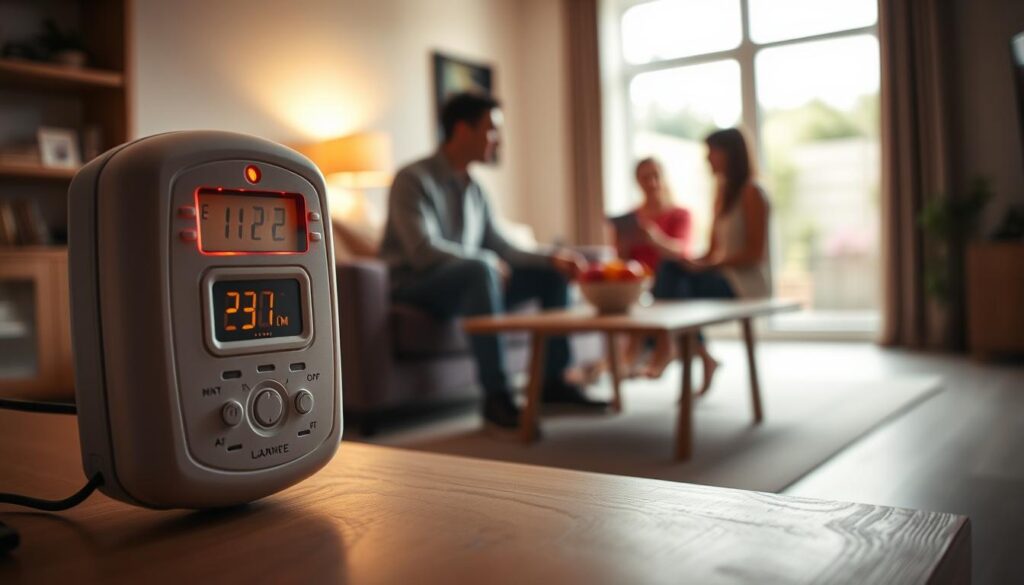
Modern devices use unique sounds to show their status. A single, short beep every minute means the battery is low or the device is old.
A loud, steady, or rhythmic beep means the carbon monoxide alarm has found dangerous gas. You must not ignore this sound. It warns of a serious threat to your health and safety.
Actions to Take When an Alarm Sounds
If you hear the alarm, act fast and stay calm. Move everyone to a place with fresh air, like outside or near an open window.
After you’re safe, call emergency services or your local fire department. Don’t go back inside until experts say it’s safe. They must find and fix the carbon monoxide alarm issue.
Time is of the essence with carbon monoxide. Quick action is key. Always choose safety over getting your things.
Educating Your Family About Carbon Monoxide Safety
We believe that true safety starts with a well-informed family. Installing high-quality detection hardware is crucial. But, the real protection comes from knowing how to react during an emergency. Empowering your loved ones with the right knowledge can save lives when seconds count.
Creating a Safety Plan
A comprehensive safety plan is like a roadmap for your family during a crisis. We recommend picking a designated meeting place outside your home. This could be a specific tree, mailbox, or neighbor’s porch. It ensures everyone can be accounted for quickly without confusion.
Your plan should clearly outline what to do if an alarm sounds. Everyone must understand they should leave the building immediately. Never re-enter until a professional confirms it is safe. Keeping this plan written down and posted in a common area helps everyone remember the steps, including guests or babysitters.
Conducting Drills and Sharing Information
Knowledge is a powerful tool, and it’s crucial for recognizing danger signs. We suggest holding regular family discussions about poisoning symptoms, like headaches, dizziness, or nausea. By teaching children to identify these warning signs, you ensure they can speak up if they feel unwell.
Practice makes perfect, which is why conducting regular drills is essential. Treat these exercises with the same seriousness as a fire drill. When every family member knows exactly how to act, you create a proactive environment where safety is a shared responsibility rather than a chore.
What to Do in Case of Carbon Monoxide Exposure
When your carbon monoxide sensor goes off, knowing how to act fast is crucial. Every alarm is a serious warning that needs immediate attention. This is to keep everyone in your home safe.
Acting quickly is key to avoiding serious health issues from this silent, smell-less gas.
Immediate Actions to Take
If the alarm goes off, move everyone to a place with fresh air right away. Don’t try to find the leak or figure out what’s wrong while still inside. Leave the premises immediately and open doors as you go out to help clear the air.
Once outside, call 911 or your local emergency number from a mobile. Don’t go back inside until the emergency team says it’s safe. If you have a carbon monoxide sensor, it’s done its job by warning you early.
“Time is the most critical factor when dealing with carbon monoxide. The faster you remove yourself from the environment, the better your chances of avoiding long-term damage.”
When to Seek Medical Help
If anyone in your home shows signs of poisoning, get them to a doctor right away. Symptoms can look like common illnesses, like nausea, confusion, vomiting, and headaches. Even if you feel a bit better after getting out, seeing a doctor is still important to check your oxygen levels.
Doctors often use oxygen therapy to treat carbon monoxide poisoning. This helps get the gas out of your blood faster than normal air. Use the table below to know how to react based on symptoms.
| Symptom Level | Common Signs | Recommended Action |
|---|---|---|
| Mild | Headache, fatigue | Seek medical checkup |
| Moderate | Nausea, confusion | Call emergency services |
| Severe | Loss of consciousness | Immediate 911 dispatch |
Always trust your carbon monoxide sensor and put your health first. Being informed and ready helps you handle these situations confidently and keeps your family safe.
FAQs About Carbon Monoxide Detectors
Many people have misconceptions about gas safety that can be dangerous. They might not know about the silent dangers or feel lost with all the options. We aim to clear up these common questions to help you make the best choices for your home.
Common Myths Debunked
One big myth is that you can smell or see carbon monoxide. But, this gas is completely colorless, odorless, and tasteless. You can’t detect it without a reliable device. Never count on your senses to spot a leak.
Some think buying the best carbon monoxide detector means you’re safe. While a good device is key, it’s not a replacement for regular checks on your appliances. Keeping your fuel-burning appliances in good shape is just as important as having a CO detector.
Lastly, some believe one unit is enough for the whole house. But, you need a unit on every level and near sleeping areas. A single CO detector can’t cover every room if it’s hidden in a hallway.
Additional Resources for Homeowners
If you want to keep your family safe, there are great resources out there. Check out these places for more info on gas safety and finding the best carbon monoxide detector for you:
- The National Fire Protection Association (NFPA): Offers guides on where and how to maintain your detectors.
- The Consumer Product Safety Commission (CPSC): Has safety alerts and tips on avoiding faulty products.
- Local Fire Departments: Many offer free home safety checks or advice on where to put your equipment.
Learning about gas safety is crucial for protecting your family. Don’t let cost or confusion stop you from making your home safe today.
Conclusion: Keeping Your Family Safe and Informed
Keeping your home safe means always watching out for hidden dangers. A good carbon monoxide alarm is key for any home. We think being proactive is the best way to fight off risks.
Commitment to Home Protection
Choosing top-notch gear from brands like Kidde or First Alert gives you peace of mind. Make sure to check your devices often. We think of these steps as essential for keeping your home safe.
Taking Action Today
Making small changes can make a big difference in safety. Putting a carbon monoxide alarm in important spots helps protect your family. Check your current setup and update any old units right away. Being ready is the best way to keep your home safe all year.