
 David Joseph
Did you know that nearly 60% of the aromatic compounds in roasted beans vanish within fifteen minutes of being processed? Great flavor starts long before the first drop hits your mug, beginning at the farm and continuing right to your kitchen counter.
We believe that the secret to a café-quality experience at home lies in your choice of equipment. A high-quality coffee grinder acts as the bridge between raw potential and a truly exceptional cup.
Selecting the best coffee grinder for your specific brewing style can transform your daily ritual from ordinary to extraordinary. Whether you are a beginner or looking to upgrade your current setup, we are here to guide you through the process. Let us help you find the perfect tool to unlock the hidden notes in your favorite roast.
Key Takeaways
- Freshness is the most critical factor in achieving a superior flavor profile.
- The right equipment ensures consistent particle size for balanced extraction.
- Your brewing method dictates the specific features you need in a machine.
- Investing in quality hardware elevates your daily home brewing ritual.
- We provide expert guidance to help you navigate the vast market of options.
Why a Good Coffee Grinder Matters
The secret to a great cup of coffee is often overlooked. It’s not just about the beans or how you brew them. The coffee grinder is key. It’s the base for every good cup.
Getting a top-notch coffee bean grinder changes your coffee time. It turns a simple task into an art. Without it, even the best beans won’t taste as good.
The Impact of Grind Size on Flavor
Getting your beans to the right size is crucial. If they’re too big or too small, your coffee won’t taste right. Big ones make it bitter, and small ones make it sour.
A good coffee grinder makes all particles the same size. This lets you control your coffee better. Here’s why it’s important:
- Balanced Extraction: Even grounds let water flow evenly.
- Enhanced Clarity: You’ll taste the coffee’s true flavors, not just bitterness.
- Repeatability: You can make your favorite coffee every day.
Freshness and Aroma Retention
Freshness is key for great coffee. Coffee’s smell and taste fade fast after grinding. Grinding just before you make your coffee keeps these flavors alive.
“The difference between pre-ground coffee and freshly ground beans is the difference between a flat experience and a vibrant, aromatic journey.”
Grinding right before you make your coffee keeps it fresh. Once beans are ground, they lose flavor fast. So, grinding just before brewing makes your coffee taste its best.
Types of Coffee Grinders Explained
We look at how to turn whole beans into grounds for your morning coffee. The right coffee grinder depends on your brewing style and how much time you have.
Blade Grinders: Quick and Convenient
A blade coffee grinder works like a kitchen blender. It uses a sharp blade to chop the beans into smaller pieces.
These grinders are cheap and easy to find. But, they can’t grind beans evenly. You might get big chunks and fine dust, which affects the taste.
Burr Grinders: Precision for Coffee Lovers
For those who love great flavor, burr grinders are the best. They crush beans into uniform particles, unlike chopping.
A conical burr coffee grinder is great because it lets you control the grind size. This ensures your coffee tastes balanced and delicious every time.
- Consistency: Makes uniform grounds for better extraction.
- Adjustability: Allows for fine-tuning for your brewing method.
- Durability: Built to last through years of use.
Manual Grinders: The Artisan’s Choice
If you love the coffee-making ritual, a manual coffee grinder is perfect. They require effort but offer a quiet, meditative experience.
Many prefer them for being portable and not needing electricity. They’re great for camping or a compact kitchen tool.
| Grinder Type | Best For | Key Benefit |
|---|---|---|
| Blade | Casual drinkers | Low cost |
| Electric Burr | Daily convenience | High consistency |
| Manual | Travelers | Portability |
Choosing an electric coffee grinder for speed or a manual one for precision is important. The right tool can make your daily coffee much better.
Key Features to Look for in a Coffee Grinder
When you’re looking for a coffee grinder, focus on what really matters. Look for internal parts that make your coffee taste the same every time. Forget about fancy displays or looks. A good grinder should always give you the same grind size.
Grind Settings and Adjustability
A top-notch coffee bean grinder is all about precision. It should have many settings for different coffee types. You want to be able to easily switch from coarse grinds for French press to fine grinds for espresso. Models with micro-adjustments are best because they let you fine-tune your coffee’s flavor.
Capacity and Size Considerations
Think about how much coffee you make at a time before buying. If it’s just for you, a small grinder saves space. But if you often have guests, a bigger coffee grinder means you won’t have to grind coffee over and over.
Build Quality and Durability
The life of your coffee grinder depends on its materials. Choose one with stainless steel or ceramic burrs, not plastic. A strong, heavy body keeps the motor steady, which means less noise and longer life.
| Feature | Why It Matters | Recommended Material |
|---|---|---|
| Burr Type | Ensures grind consistency | Stainless Steel or Ceramic |
| Adjustability | Allows for brewing versatility | Stepless or Micro-click |
| Housing | Provides stability and longevity | Die-cast Metal or Hardened Plastic |
The Pros and Cons of Blade vs. Burr Grinders
Knowing the difference between grinding methods is key for coffee lovers. When you look for a new coffee grinder, you’ll find two main types. Each type changes how your coffee tastes.
Highlights of Blade Grinders
A blade coffee grinder is often the first choice because it’s cheap and easy to find. It works like a mini blender, cutting beans into smaller pieces. It’s great for a quick morning coffee.
But, blade grinders don’t grind beans evenly. This can make your coffee taste bad. You might get big chunks and fine dust, leading to bitter or sour coffee.
Advantages of Burr Grinders
Burr grinders are better for flavor and evenness. They crush beans into the same size, making every cup perfect. You can choose between a manual coffee grinder or an electric coffee grinder.
Burr grinders come in flat and conical burr coffee grinder styles. Consistency is the key for great coffee. You can adjust the grind size by changing the burr distance.
Which One is Right for You?
Choosing depends on your brewing habits and budget. If you drink coffee often but don’t care about flavor, a blade grinder might be enough. It’s cheaper but might not bring out the best in your coffee.
If you love coffee and want to try different brewing methods, a burr grinder is worth it. It lets you experiment with confidence. The right equipment makes your coffee time special and enjoyable.
How to Choose the Right Grinder for Your Brewing Method
Finding the right coffee grinder is key to making great coffee at home. Each brewing method needs a specific grind size. The wrong grinder can mess up your coffee’s flavor.
Espresso vs. French Press Grinding
Espresso needs a very fine grind for high-pressure shots. Small changes in grind can change the taste of your espresso. For French press, you need a coarse grind to avoid sludge.
Pour-Over and Drip Coffee Needs
Pour-over coffee needs a medium-fine grind for the right water flow. This grind brings out the coffee’s flavors without bitterness. A capsule coffee machine might be convenient, but a burr grinder is best for manual brewing.
Cold Brew and Other Methods
Cold brew coffee requires a grinder that can handle large amounts without heating the beans. Heat can ruin the coffee’s quality before it’s even brewed. Look for a grinder with a strong motor and good heat dissipation.
| Brewing Method | Grind Size | Consistency Requirement |
|---|---|---|
| Espresso | Ultra-Fine | High |
| Pour-Over | Medium-Fine | Medium |
| French Press | Coarse | High |
| Cold Brew | Extra-Coarse | Low |
Consistency is the key to great coffee. Whether you like French press or pour-over, a good coffee grinder makes a difference. Make sure your grinder fits your brewing style.
Budgeting for Your Coffee Grinder
Getting a good coffee grinder is a big step up for your coffee at home. It’s important to think about what you need now and what you might want later. We aim to guide you in spending your money wisely, so you get the best value for your budget.
Affordable Options for Beginners
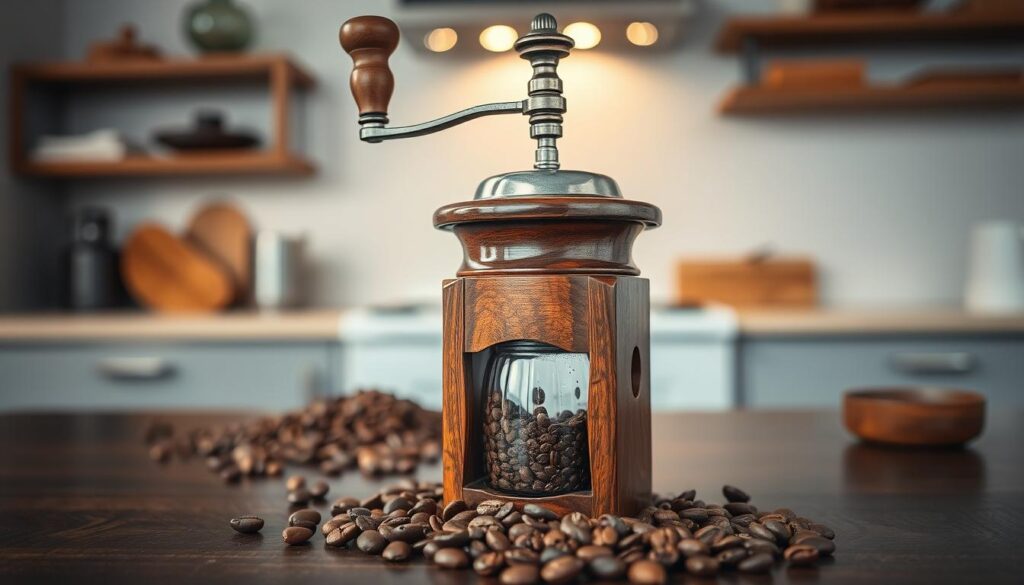
Starting out doesn’t mean you have to spend a lot. Entry-level burr grinders can make a big difference in your coffee. They’re great for trying out different brewing methods without spending too much.
Choose a grinder with solid burrs over fancy features. A manual coffee grinder can be just as good as an electric one, but cheaper. This lets you spend more on fresh, high-quality coffee beans.
High-End Grinders for Enthusiasts
For coffee lovers, a top-notch grinder is worth the extra cost. These grinders are made to last, with durable materials and sharp burrs. They make your coffee taste better and last longer.
Yes, they cost more upfront, but they’re built to last a lifetime. They let you fine-tune your coffee to perfection. Investing in a high-end coffee grinder is a smart choice for your daily coffee ritual.
| Feature | Entry-Level | High-End |
|---|---|---|
| Build Material | Plastic/Light Metal | Heavy-Duty Steel |
| Grind Consistency | Good for Drip | Professional Grade |
| Adjustment Range | Limited | Stepless/Micro |
| Best Coffee Grinder Use | Casual Brewing | Espresso/Specialty |
Where to Buy the Best Coffee Grinders
Looking for the best coffee grinder can be exciting. You can shop online or visit a store. It’s not just about the specs. You also want good support and value.
Online Retailers Review: Pros and Cons
Online shopping lets you see a huge variety of coffee grinders. Websites have lots of coffee grinder reviews. This helps you compare easily.
But, you can’t touch the grinder before buying online. You must trust the descriptions and user feedback. Returns can be a hassle if it’s not what you expected.
Brick-and-Mortar Stores: What to Expect
Stores let you touch and test grinders. You can feel the weight and quality. This is key for a good investment.
Staff in stores know a lot about grinders. They can suggest based on your brewing style. Even if there’s less choice, you might find the perfect grinder.
Maintenance Tips for Longevity
Regular care for your coffee grinder keeps every brew fresh. Coffee beans leave dust and oils that can spoil. A simple routine protects your investment and keeps your coffee quality high.
Cleaning Your Coffee Grinder
Deep clean your machine every month to keep it running well. Unplug it and take off the hopper to get to the burrs. Use a soft brush or vacuum to remove loose grounds.
Wipe the outside with a damp cloth, but don’t get water in the motor. If your coffee grinder has removable burrs, clean them with a dry cloth. This stops old residue from affecting your coffee’s taste.
Avoiding Common Missteps
Don’t use harsh cleaners or abrasive soaps, as they can harm your grinder. Stick to the manufacturer’s cleaning advice to protect your machine. The wrong cleaners can also leave bad smells in your coffee.
Another mistake is not calibrating the burrs right after putting them back. If the burrs aren’t aligned, your coffee grinder won’t grind evenly. Always check that everything fits right before grinding again.
| Task | Frequency | Benefit |
|---|---|---|
| Brush out grounds | Weekly | Prevents clogs |
| Deep clean burrs | Monthly | Removes rancid oils |
| Check calibration | Quarterly | Ensures consistency |
| Inspect power cord | Annually | Safety assurance |
Frequently Asked Questions About Coffee Grinders
Coffee lovers often ask the same questions to make their daily coffee better. Whether you’re new or experienced, knowing how your coffee grinder works is key to a great cup.
How Often Should I Grind My Coffee?
Grind your coffee beans right before you brew. Ground coffee loses its aroma fast because it’s exposed to more oxygen.
Freshness is the key to unlocking the full potential of your beans. Grinding just before brewing keeps the flavors vibrant in your coffee.
“The difference between pre-ground coffee and freshly ground beans is the difference between a flat, dull experience and a vibrant, aromatic journey.”
Can I Use a Spice Grinder for Coffee?
Using a spice grinder for coffee is not a good idea. They’re made for spices, not coffee. This can lead to inconsistent grind sizes that mess up your coffee.
Spices like cumin or peppercorns can also leave oils in the grinder. Using it for coffee will make your coffee taste like your spice cabinet.
Get a dedicated coffee grinder to keep your coffee pure and tasty. A good coffee grinder treats your beans right.
How to Achieve the Perfect Grind
Getting the perfect grind every day can make your morning coffee special. It’s about knowing how to use your coffee grinder and experimenting to find what you like. This way, you can adjust your coffee grinder to match your taste.
Tips for Consistent Results
For a great cup of coffee, consistency is key. Keep your coffee grinder clean to avoid old oils and dust. This helps your coffee taste better.
Make sure your burrs are aligned right to get even grinds. If you can adjust your grinder, do it often. A well-kept grinder means your coffee will always taste right.
Experimenting with Different Beans
Changing up your coffee beans might need a tweak in your grinder settings. Light roasts might need a finer grind, while darker roasts might need a coarser one. Keep track of how different beans work with your coffee grinder.
Adjust your grinder based on how old your coffee beans are. Freshly roasted coffee is different from older beans. By paying attention, you’ll discover new flavors in every bag.
| Issue | Potential Cause | Recommended Fix |
|---|---|---|
| Sour Flavor | Under-extraction | Use a finer grind setting |
| Bitter Taste | Over-extraction | Use a coarser grind setting |
| Inconsistent Flow | Burr misalignment | Clean and recalibrate burrs |
| Weak Body | Too coarse | Tighten the grind adjustment |
Understanding Grinder Settings and Their Effects
Mastering your coffee grinder settings is key to great-tasting coffee at home. Changing the burrs or blades affects how water extracts flavors from the grounds.
Adjusting these settings lets you control your coffee’s strength and clarity. This skill helps fix common problems like bitterness or sourness.
Coarse vs. Fine: When to Use Each
The size of coffee particles affects how much water can extract flavors. A coarse grind, like sea salt, is best for methods where water stays with coffee for a while.
A fine grind, like powdered sugar, is needed for high-pressure brewing. The wrong grind can make your coffee taste watery or harsh.
The Role of Grinder Consistency
Consistency is crucial in a coffee grinder. If it produces uneven sizes, your coffee will be off.
Small particles extract fast, while big ones don’t. A good grinder makes all particles the same size. This prevents over- or under-extraction that spoils a good roast.
| Grind Size | Texture | Best Brewing Method |
|---|---|---|
| Extra Coarse | Sea Salt | Cold Brew |
| Medium-Coarse | Kosher Salt | French Press |
| Medium | Sand | Pour-Over / Drip |
| Fine | Table Salt | Espresso |
Final Thoughts: Your Coffee Journey Starts Here
Learning to brew coffee starts with preparing your beans. We suggest using a high-quality coffee grinder to make your mornings better. This small step changes how you enjoy every cup.
Embracing the Process of Grinding Coffee
Freshly ground beans release oils and aromas that pre-ground coffee can’t. A good coffee grinder lets you control the grind. This way, you connect more with your coffee.
Discovering New Flavors and Profiles
Using beans from places like Stumptown or Intelligentsia with the right grinder reveals new tastes. We hope this guide helps you find your perfect cup. Our goal is to make sure you enjoy coffee that’s good for you, one grind at a time.