
 David Joseph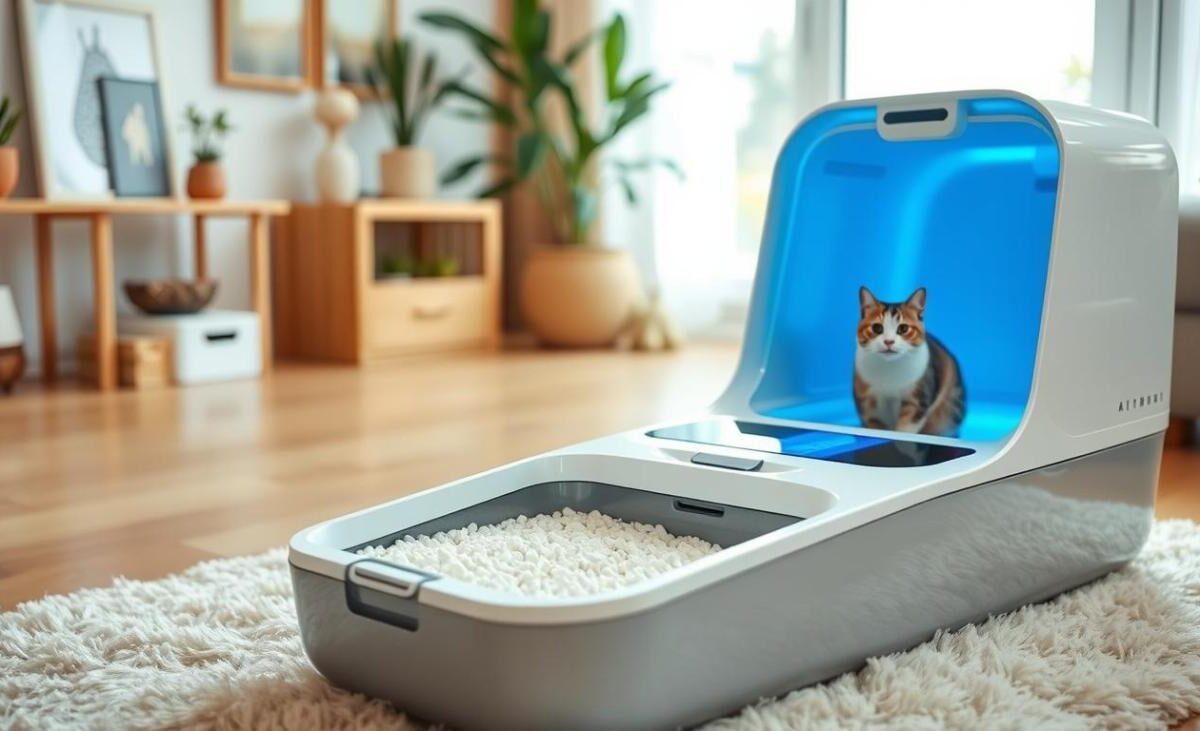
Did you know cats spend nearly 10% of their time grooming? Keeping their environment clean is crucial for their health and your peace of mind.
Choosing the right litter box is key. We’ve tested models like the Whisker Litter Robot 4. It shows how design affects daily habits. The right litter box makes your pet feel safe and keeps your home clean.
Every home needs a unique waste management plan. By focusing on comfort and cleanliness, we can make a stress-free space for our pets. A good cat litter box makes cleaning up easy and part of your routine.
Key Takeaways
- Prioritize your pet’s comfort to reduce stress and behavioral issues.
- Automated systems like the Whisker model offer superior odor control.
- Match the unit size to your animal’s physical dimensions for optimal use.
- Consistent maintenance is the secret to a hygienic household.
- Select durable materials that withstand daily wear and tear.
Understanding the Importance of a Good Cat Litter Box
Choosing the best cat litter box is key to keeping your cat happy and healthy. We often see these as simple items, but they’re crucial for your pet’s privacy. A good litter box gives your cat a safe, consistent place to go.
Benefits of a High-Quality Cat Litter Box
Going for a top-notch cat litter box has big benefits over cheap ones. Benjamin says regular plastic boxes get scratches from claws, trapping bacteria. This can even release harmful plastics into your home.
Quality boxes are made from tough, non-porous materials that don’t scratch or harbor bacteria. A better box means a cleaner, healthier space for your cat. It also keeps your home smelling better.
| Feature | Standard Box | Premium Box |
|---|---|---|
| Material Quality | Thin Plastic | Reinforced Polymer |
| Scratch Resistance | Low | High |
| Odor Control | Minimal | Advanced |
| Longevity | Short-term | Long-term |
How the Right Box Can Improve Cat Behavior
The design of your cat’s bathroom affects their daily life. An uncomfortable or hard-to-reach box can cause stress and anxiety. The right best cat litter box helps avoid these problems.
Creating a stress-free space is crucial for good litter box habits. A clean, spacious, and easy-to-use box makes your cat feel safe. Meeting these needs helps build a strong bond and keeps your cat happy and well-adjusted.
Types of Cat Litter Boxes Available
The market has many options, from simple pans to advanced systems. Choosing the right cat litter box depends on your home and your cat’s likes.
Traditional Litter Boxes
The classic open pan is a favorite for many. It’s seen as the best cat litter box for kittens or cats that don’t like closed spaces.
These boxes are great for air flow and checking your cat’s health. But, they don’t keep litter or smells in.
Self-Cleaning Litter Boxes
For those with little time, an automatic litter box is a big help. These boxes do the scooping for you, saving time and effort.
The Whisker Litter Robot 4 is a top self-cleaning litter box. It cleans itself after your cat leaves. Cats love the fresh surface it provides.
Top-Entry vs. Side-Entry Boxes
Choosing between entry styles depends on your cat’s needs. A covered litter box makes shy cats feel safe and keeps smells in.
A top entry litter box helps with mess. Cats jump out, leaving litter behind. But, older or less agile cats might find it hard to use.
Always think about your cat’s comfort when picking a litter box.
Key Features to Look For in a Cat Litter Box
Finding the right features is key to a stress-free home for you and your pet. When looking for the best cat litter box, think about how design affects your daily life. The right litter box can make your home cleaner and keep your cat happy.
Size and Space Considerations
Your cat needs room to move, dig, and stand comfortably. If your cat is big or likes more space, a large cat litter box is best. A small box can lead to accidents outside, so choose one that fits your cat’s needs.
“A clean, spacious environment is the foundation of a healthy relationship between a cat and its owner.”
Material and Durability
The box’s material affects how long it lasts and stays clean. Plastic is common but can scratch and trap smells. Many are now choosing stainless steel for better odor control cat litter box performance.
- Stainless Steel: Highly durable, non-porous, and very easy to sanitize.
- Plastic: Lightweight and affordable, but needs more frequent replacement.
Stainless steel is heavier and costs more upfront, but it lasts longer. It also prevents waste buildup that causes smells in plastic bins.
Ease of Cleaning
Cleaning daily should be easy. The best cat litter box makes scooping waste quick and simple. Look for smooth edges that make cleaning easier.
If you want an odor control cat litter box, choose one that’s easy to clean. A simple design or a large cat litter box with a removable lid helps. Keeping it clean keeps your cat happy and using the box regularly.
Popular Cat Litter Brands to Consider
Choosing the right cat litter is key to a clean and fresh home. The litter inside the tray is what really matters. It affects how well you can manage waste and keep your home smelling good.
Clumping vs. Non-Clumping Litters
Clumping litter is a top pick for many homes. It turns into solid clumps when it gets wet. This makes it easy to scoop out daily and keeps your space clean. It’s a great choice for most self-cleaning units because it doesn’t stick or jam.
Non-clumping litter, on the other hand, absorbs moisture all over. It doesn’t need daily scooping but might need a full change more often to avoid smells. The right choice depends on your cat litter box and how often you clean it.
Eco-Friendly Options
More people are choosing eco-friendly litters to help the planet. These litters are made from things like pine, wheat, corn, or recycled paper. They’re often biodegradable and safer for you and your cat.
“The best litter is one that your cat accepts consistently while providing the odor management you need for a healthy home environment.”
Scented vs. Unscented Litters
Many owners struggle with whether to choose scented or unscented litter. Scented litters try to hide bad smells, but some cats don’t like strong smells. Unscented litters use minerals or charcoal to fight odors at the source.
| Litter Type | Best For | Odor Control | Maintenance |
|---|---|---|---|
| Clumping Clay | Standard Boxes | High | Daily Scooping |
| Silica Gel | Low-Dust Needs | Very High | Weekly Stirring |
| Natural/Eco | Sensitive Cats | Moderate | Regular Changing |
Tips for Decluttering and Managing Cat Litter
Keeping your home tidy often starts with organizing your cat’s bathroom area. By sticking to regular habits, you can keep the cat litter box clean and stress-free for your cat.
Regular Maintenance Routines
Keeping your home smelling fresh is key. Scoop the waste daily to stop odors from spreading in your living space.
When picking out litter boxes, remember standard sizes are 24-inch squares with 4-inch walls. If your cat kicks litter out, look for boxes with higher walls, up to 8 inches, to keep it in.
Choosing the Right Placement in Your Home
The spot you choose for the cat litter box affects how often your cat uses it. Place it in a quiet, low-traffic area where your cat feels safe.
Stay away from loud appliances or busy hallways to avoid anxiety. Make sure it’s easy to get to, which is important for older cats who may have trouble with stairs or tight spots.
Clearing the area of clutter makes cleaning easier. A well-placed cat litter box keeps your floors clean and respects your cat’s need for privacy.
How to Train Your Cat to Use a Litter Box
Training a cat to use a litter box is all about creating a stress-free space. It needs patience, positive feedback, and a calm approach. By following simple steps, we can help our pets adjust without stress.
Introducing the Litter Box
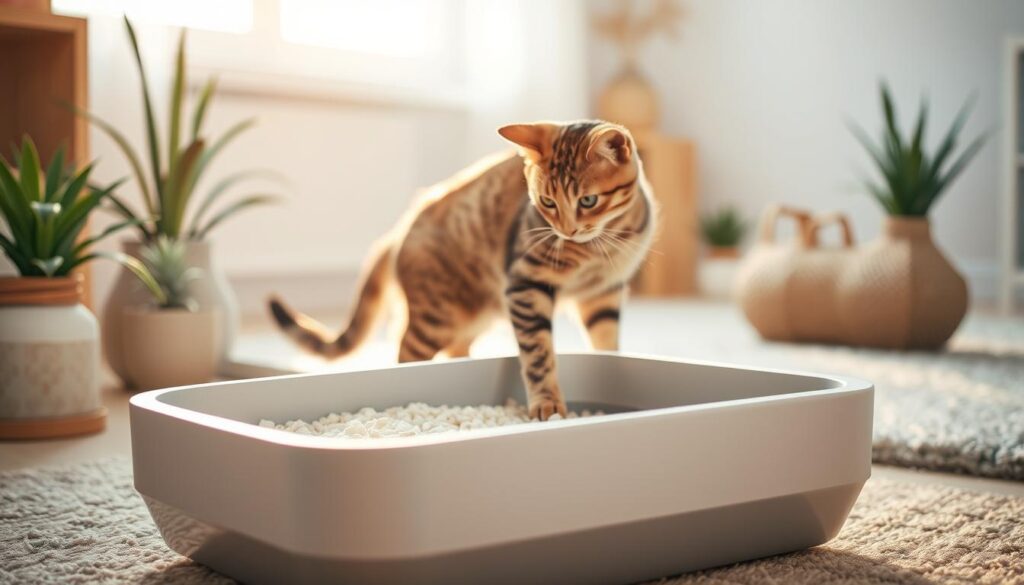
When you bring a new kitty litter box home, where you put it matters a lot. Choose a quiet spot where your cat feels safe. Consistency is key, so make sure the box is easy to get to.
Start with a litter type your cat already knows. If changing brands, mix old and new litter for a familiar scent. This helps your cat see the new box as their bathroom.
“Patience is the bridge between a confused pet and a well-trained companion.”
Encouraging Proper Usage
After setting up, encourage your cat to try the new cat litter box with gentle guidance. Praise them or give treats when they show interest. Never force your cat into the box, as it can cause fear.
If your cat is slow to try, place them in the kitty litter box after meals or naps. Watch how they act in the first few days to make sure they’re okay. With time and positive reinforcement, your cat will use the box confidently.
Common Mistakes to Avoid with Cat Litter Boxes
Many owners make mistakes with litter boxes that can stress their pets. Understanding your cat’s needs and habits is key. By avoiding these common errors, you can keep your home clean and your cat happy.
Ignoring Box Hygiene
Keeping the environment clean is crucial. Cats prefer a clean space for their needs. If you don’t scoop the cat litter box daily, they might find other places in your home.
“A cat’s sense of smell is far more sensitive than ours, making a clean litter box essential for their comfort and well-being.”
Plastic containers can get scratches that trap smells and germs. It’s best to replace your kitty litter box yearly. This keeps it clean and free from trapped waste.
Not Providing Enough Options
Many homes with multiple cats don’t have enough litter boxes. This leads to fights over territory. A good rule is to have one box per cat, plus one extra.
This ensures each cat has a private spot without feeling crowded. If you only have one cat litter box for many cats, problems will arise. Giving your cats more options helps reduce stress. A well-kept kitty litter box setup is vital for a peaceful home with multiple cats.
Addressing Litter Box Aversion in Cats
Understanding why your cat doesn’t like its litter box is key to peace at home. Cats don’t stop using their cat litter box out of spite. It usually means they’re uncomfortable or stressed about their surroundings.
Understanding the Causes
Many things can cause this problem, from health issues to environmental preferences. Cats are very picky about the texture of litter, the box’s size, and where it’s placed. If the box is too small or in a busy area, your cat might feel scared.
Dirty cat litter box issues can also be a problem. Cats are clean animals and won’t use a dirty kitty litter box. If your cat avoids the area, check for health problems with your vet.
Solutions to Encourage Use
Start by making the box big enough for your cat to turn around. If you have more than one cat, make sure there’s enough space for each one. This helps avoid fights over the box.
Try different litters to see what your cat likes best. Consistency is key when changing things. Keep the environment calm and the same. This way, you can solve most aversion problems and keep your home clean and happy.
Innovative Litter Box Designs and Technologies
The world of pet care is changing fast with new gadgets. Gone are the days of simple plastic trays. Now, your cat litter box can help keep your home clean. These new designs make life easier for you and better for your pet.
Smart Litter Boxes
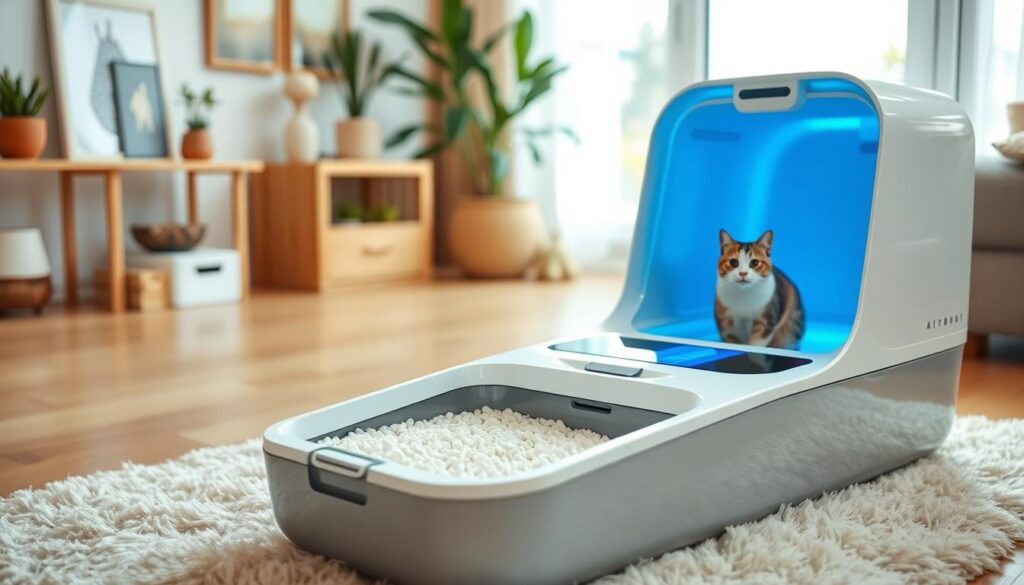
Today’s tech has changed how we handle waste. Smart litter boxes offer unmatched convenience. They have sensors that watch your cat’s health, like weight and how often they use it.
These devices log this data to catch health issues early. Many have self-cleaning cycles that start right after your cat leaves. This quick clean-up cuts down on odors in your home. A good self-cleaning litter box saves you a lot of time each week.
Space-Saving Designs
Not every home can fit a big large cat litter box. That’s why compact and disposable options are popular. For example, the Kitty Poo Club offers a leak-proof, disposable box. It’s great for travel or small places where space is tight.
These designs are perfect for saving space. They work like regular cat litter boxes but are easy to hide away. Here’s a look at the different types to help you choose what’s best for you.
| Box Type | Best For | Key Benefit | Maintenance |
|---|---|---|---|
| Automatic | Busy Professionals | Hands-free cleaning | Low |
| Disposable | Travel & Small Spaces | No scrubbing required | None |
| Standard | Budget Conscious | Simple and reliable | High |
The Cost of Cat Litter Boxes: What to Expect
Prices for a cat litter box vary widely. You can find basic ones for as little as five dollars. But, high-end models can cost up to one thousand dollars. Knowing these prices helps us choose within our budget.
Budget Options vs. Premium Choices
For new pet owners, simple open-top pans are a good start. They are affordable, durable, and easy to replace. This makes them a practical choice for beginners. If you have a big cat, a large cat litter box in this range is still a good deal.
At the other end, self-cleaning litter boxes offer a lot of convenience. They cost more upfront but save time every day. Many people think the extra cost is worth it for the convenience.
Long-Term Cost Considerations
Looking at the total cost, we must consider more than just the initial price. Premium systems often need specialized litter or specific waste bags. These ongoing expenses are key to include in your monthly pet care budget.
Durability is also crucial for long-term savings. A good self-cleaning litter box can last for years. Cheaper pans might need to be replaced often due to damage or smell. Choosing a durable, quality product can save money and keep your cat happy and healthy.
Frequently Asked Questions About Cat Litter Boxes
We get a lot of questions about keeping a cat litter box clean and dealing with sudden changes in pets. Keeping a clean space is key for your cat’s health and your comfort.
How Often Should I Change the Litter?
How often to change litter depends on the type and how many cats you have. Always scoop out solid waste every day to keep the odor control cat litter box area clean.
For clumping litter, change it every two to four weeks. Non-clumping litter needs a full change weekly to avoid bad smells and ammonia buildup.
What Should I Do If My Cat Refuses to Use the Box?
If your cat stops using their cat litter box, start by scheduling a vet visit. It’s important to check for health issues like urinary infections or kidney problems before thinking it’s a behavior problem.
After health checks, look at these common reasons:
- The box might be too dirty or hard to get to.
- The litter or its smell could bother your cat.
- The spot might be too loud or not private enough.
Try making small changes slowly to see if your cat’s behavior gets better. Being consistent and patient is essential for your pet’s well-being.
Additional Tips for a Happy Litter Box Experience
Creating a peaceful environment for your pet requires attention to detail. Small adjustments to the surroundings make a big difference. This affects how your pet interacts with their space.
Creating a Calming Environment
Many cats feel vulnerable while using the bathroom. A covered litter box offers privacy, making anxious pets feel secure. You might notice your cat relaxes more in a secluded spot away from busy areas.
Designing the Ideal Litter Box Area
The layout of your home affects your pet’s comfort. A top entry litter box keeps the floor clean and provides a sense of enclosure. Place these units in quiet corners where your cat feels safe from noise.
Selecting the right cat litter box setup makes daily routines stress-free for everyone. By prioritizing your pet’s privacy and cleanliness, you foster a healthier bond. Observe your cat’s habits and adjust their environment to keep them happy and comfortable for years.