
 David Joseph
Did you know that the average American household throws away nearly 300 pounds of food every year? Much of this waste happens because food loses freshness before we can eat it all. Getting the best vacuum sealer is a smart move to stop this waste and save on groceries.
A top-notch food vacuum sealer keeps pantry staples and proteins fresh by removing air. This prevents freezer burn. If you buy in bulk or meal prep, these devices keep your food tasting great for months. Think about your cooking habits, kitchen space, and how often you’ll use it.
When picking the right machine, look at seal strength, how easy it is to use, and what accessories come with it. These tools are key for long-term storage but don’t replace your fridge or freezer. Let’s find the perfect one for your cooking needs.
Key Takeaways
- Reducing food waste saves a lot of money over time.
- Proper air removal prevents freezer burn and keeps flavors.
- Think about your kitchen space before buying a big unit.
- Match the machine’s power to how often you seal food.
- These devices complement, rather than replace, standard refrigeration.
Understanding Vacuum Sealers: What They Are and How They Work
Learning how a vacuum sealer machine works is key to cutting down on food waste at home. These devices are now a must-have in kitchens everywhere. They help us save money on groceries.
These machines remove air from special packaging. This makes your food last longer. Whether you love meal prep or buy in bulk, they’re a great help.
What is a Vacuum Sealer?
A food vacuum sealer removes air from a container before sealing it tight. You put food in a bag, then the bag into the machine. Start the vacuum cycle.
After air is gone, the machine heats the plastic edges to seal them together. You can use bags, rolls, or canisters for different items.
The Science Behind Vacuum Sealing
The main reason for using a vacuum sealer is to slow down oxidation. When food meets oxygen, it starts to spoil and lose flavor.
Removing oxygen creates a barrier. This keeps your food fresh longer than usual storage. But remember, it doesn’t make food last forever.
Even with a top-notch vacuum sealer, follow food safety rules. Store sealed food in the fridge or freezer to keep it safe.
Types of Vacuum Sealers: Which One is Right for You?
Not all sealing devices are the same. Finding the right vacuum sealer machine is key to keeping food fresh at home. Knowing the different types helps keep your ingredients fresh for longer.
Manual vs. Automatic Sealers
There are manual and automatic sealers. Automatic sealers are great for those who want ease. They seal food with just a button press, perfect for big batches.
Manual controls, on the other hand, give greater precision. They’re best for delicate foods like soft fruits. This way, your food stays in shape and texture.
Chamber Sealers vs. External Sealers
External or edge-style sealers are common in homes. They’re small and fit well in kitchens. They use vacuum sealer bags for sealing.
Chamber sealers remove air from a whole chamber. They’re larger but better for liquids and moist foods. Learn more in our vacuum sealer guide for fresh food storage at.
Stand-up Sealers: A New Twist
Stand-up models save space and are modern. They’re often used as a sous vide vacuum sealer. They’re easy to store and quick to use for small portions.
For big amounts of meat or produce, a commercial vacuum sealer is best. These machines are strong and last long. The right choice depends on how often you seal food.
Key Features to Look for in a Vacuum Sealer
When you start looking for the best vacuum sealer, you’ll find many technical features. These features affect how well the sealer works in your kitchen. Knowing about these can save you from trouble and keep your food fresh longer.
Seal Quality and Strength
The main job of a vacuum sealer is to seal things tightly. Look for a model with a wide, even heating wire. This ensures the seal stays tight over time.
Good models also handle moisture well. This is key if you seal wet meats or marinated foods. A strong seal stops freezer burn and keeps air out.
Size and Portability
Think about your kitchen’s space before buying a vacuum sealer machine. External suction models are small and easy to stash away. They fit in drawers or cabinets.
Chamber-style units, though, are big and take up a lot of space. They need a fixed spot on your counter. If your kitchen is small, choose a portable model that’s powerful but slim.
Ease of Use and Maintenance
Using your appliance should be easy. Look for models with simple controls. A built-in cutter is a plus, letting you cut vacuum sealer bags to size easily.
Being able to use different vacuum sealer rolls is important for flexibility. Also, make sure the drip tray is easy to take out for cleaning. Keeping the sealer clean is key for it to work well over time.
| Feature | Basic Model | Advanced Model |
|---|---|---|
| Seal Width | Standard (3mm) | Extra Wide (5mm+) |
| Moisture Control | Manual Only | Automatic Sensors |
| Cutter Included | No | Yes |
| Maintenance | Moderate | Easy/Removable |
Price Range: What to Expect When Buying a Vacuum Sealer
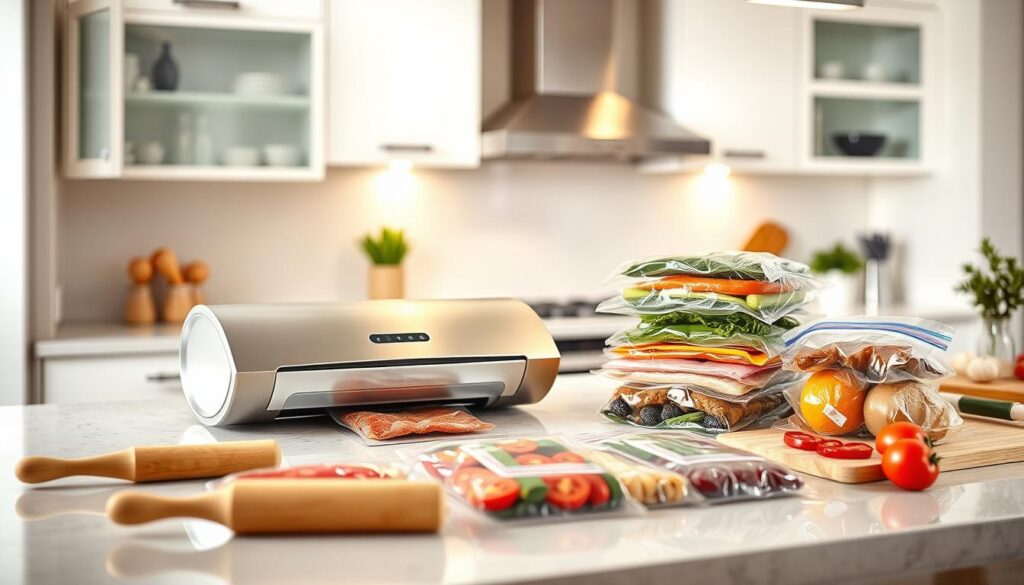
When looking for a food vacuum sealer, it’s important to think about your budget and needs. Look beyond the price to see the value it offers in the long run. It helps to sort these machines by how much you plan to use them. This way, you can find the best vacuum sealer for your needs.
Budget Models: Great for Beginners
For those who seal food only sometimes, entry-level units are perfect. They handle small portions and simple tasks well. Even though they don’t have many features, they are a good starting point.
Mid-Range Options: Balancing Cost and Features
If you seal food every week, a mid-range unit is a smart choice. These machines seal better and come with handy features like pulse buttons. Reading vacuum sealer reviews can help you see if these features are worth the extra cost.
High-End Sealers: When Quality Matters
For those who seal a lot, like hunters or fishers, a commercial vacuum sealer is best. These machines are built to last and work well even when used a lot. They cost more upfront, but they save time and energy in the long run.
Don’t forget to include the cost of bags and rolls in your budget. Buying in bulk can save money, which is good for those who use a lot.
| Category | Best For | Key Benefit | Price Tier |
|---|---|---|---|
| Budget | Occasional Use | Affordability | Low |
| Mid-Range | Weekly Meal Prep | Versatility | Moderate |
| High-End | Batch Processing | Durability | Premium |
Popular Vacuum Sealer Brands You Should Consider
When looking for the best vacuum sealer for your home, you’ll see a few top brands. We’ve looked at these brands for their reliability, ease of use, and performance. This helps you choose wisely.
Reading vacuum sealer reviews is helpful. But, focus on brands that fit your kitchen needs. Whether you meal prep often or cook at home a lot, these companies have great options.
FoodSaver: The Household Name
FoodSaver is a top choice for most home kitchens. Their machines are easy to use and found at many stores.
- Extensive range of bag and roll sizes.
- Consistent sealing for dry goods.
- Strong warranty and customer service.
Nesco: Versatile Choices for Every Kitchen
Nesco offers a food vacuum sealer that’s powerful yet compact. Their models are praised for their easy controls and strong suction.
Nesco is great for its accessory compatibility. You can use canisters and marinating containers easily. It’s perfect for those who need a versatile machine for pantry and freezer items.
Anova Culinary: For Sous Vide Enthusiasts
For precise cooking, Anova Culinary’s sous vide vacuum sealer is top-notch. These units are made for perfect water bath cooking, keeping bags airtight.
These machines are great for sous vide vacuum sealer and everyday storage. Their design and quality seals make them a hit with cooking enthusiasts.
| Brand | Primary Strength | Best For |
|---|---|---|
| FoodSaver | Accessibility | General Home Use |
| Nesco | Versatility | Pantry & Freezer |
| Anova | Precision | Sous Vide Cooking |
The best vacuum sealer for you depends on how often you’ll use it. Always check the latest specs, as features differ between models.
Essential Accessories for Your Vacuum Sealer
Your vacuum sealer works best with the right accessories. These supplies keep your food fresh and safe for longer. Choosing quality materials is a smart move for any home cook.
Bags and Rolls: Finding the Right Material
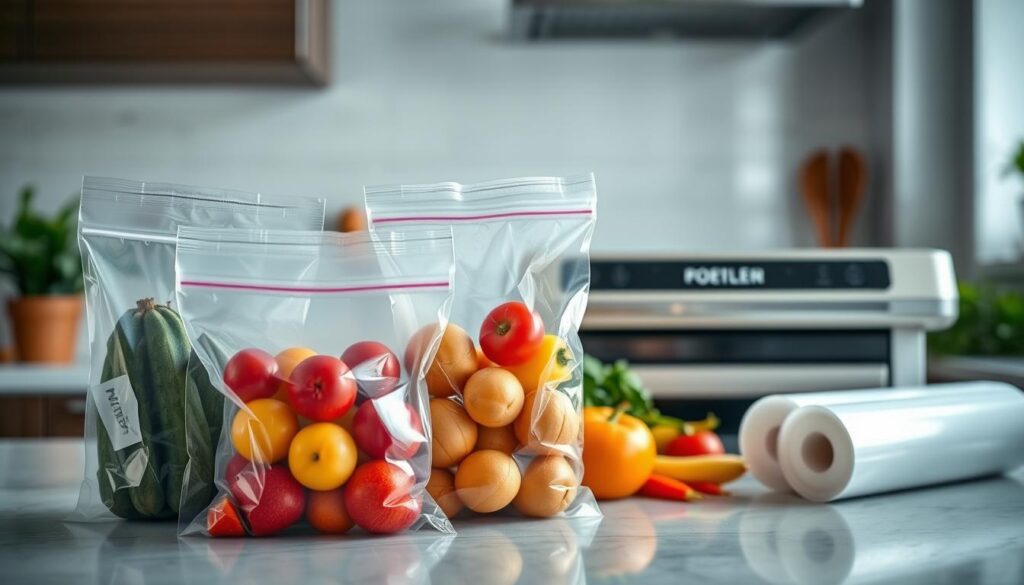
Choosing between vacuum sealer bags and vacuum sealer rolls is key. Bags are great for standard portions, while rolls are for items of different sizes. Make sure your supplies are food-safe and made for freezer use to avoid freezer burn.
When using vacuum sealer rolls, leave three inches of space at the top. This ensures a tight seal and keeps food particles out. Always test a small sample before buying in bulk to make sure it fits your machine.
| Feature | Pre-cut Bags | Vacuum Sealer Rolls |
|---|---|---|
| Customization | Fixed size | Fully adjustable |
| Waste | Minimal | Potential for excess |
| Best Use | Standard portions | Large or odd-shaped items |
| Cost | Higher per unit | More economical |
Canister Attachments: Expanding Your Options
For delicate items, canister attachments are a must. They let you remove air from rigid containers without harming soft foods. This is great for foods like berries, baked goods, or leafy greens.
Canisters are also great for pantry staples like flour, sugar, or coffee beans. They keep these items fresh without needing to reseal a bag every time. Make sure your canisters fit your sealer’s hose port before buying.
Common Mistakes to Avoid When Using a Vacuum Sealer
Even the best vacuum sealer machine can fail if you don’t follow basic usage guidelines. Users often struggle with their equipment because they overlook simple rules. By avoiding these common errors, you can keep your food fresh and your device working for years.
Overpacking Bags: The Sealing Struggle
One common mistake is overfilling your bags. If you pack too much food, the edges won’t meet properly. This leads to a weak or incomplete seal. Always leave at least three inches of clearance at the top of the bag for a perfect vacuum.
When dealing with sharp items like bones, wrap them in a paper towel to prevent punctures. If you are sealing greasy or moist foods, fold the top edge of the bag outward before filling. This keeps the sealing area clean and prevents moisture from interfering with the heat strip.
Neglecting Maintenance: Keeping Your Sealer Fresh
Your vacuum sealer needs regular care to work at its best. Food particles and liquids can accumulate in the sealing channel, preventing an airtight environment. We recommend wiping down the interior after every use to keep the machine sanitary.
Check the rubber gaskets and the heating strip for wear or debris regularly. If the gasket looks cracked or the heating strip shows burn marks, it may need replacing. Always check your vacuum sealer manual for the specific maintenance schedule for your model.
| Common Mistake | Resulting Issue | Recommended Fix |
|---|---|---|
| Overfilling bags | Incomplete seal | Leave 3 inches of space |
| Sharp food edges | Punctured plastic | Wrap items in paper towels |
| Dirty seal channel | Loss of suction | Wipe with a damp cloth |
| Microwaving bags | Chemical leaching | Transfer food to a bowl |
Lastly, never microwave your food directly inside the plastic bags. High heat can cause the material to melt or release unwanted substances into your meal. Following these simple steps will protect both your food quality and your vacuum sealer machine investment.
Tips for Maximizing the Use of Your Vacuum Sealer
Start by making these daily habits a part of your routine. This will help your vacuum sealer work its best. By preparing food smartly, you can keep it fresh longer and cut down on waste.
Food Preservation Techniques
Good preservation starts with managing moisture. For items like soups or marinated meats, pre-freezing them first is key. This step stops liquids from messing up the seal, making it tight and secure.
Dividing food into smaller portions is also crucial. Instead of big bags, use meal-sized portions. This way, you can thaw only what you need, keeping the rest fresh and preventing freezer burn.
Meal Prepping Made Easy
Buying in bulk can save you money, and a best vacuum sealer makes it easier. By cutting down large items into smaller portions, you make dinner prep quicker. This also keeps your freezer organized and easy to navigate.
A sous vide vacuum sealer is great for those who love precise cooking. It lets you season meats and seal them with flavors, ensuring great taste. This method ensures your meals are healthy and delicious, even when you’re short on time.
| Method | Primary Benefit | Best For |
|---|---|---|
| Portioning | Reduces waste | Meats and produce |
| Pre-freezing | Prevents leaks | Soups and sauces |
| Sous Vide Prep | Enhanced flavor | Steaks and poultry |
| Bulk Sealing | Saves money | Dry goods and grains |
Storing Vacuum-Sealed Items: Best Practices
Many people think vacuum sealing makes food safe forever. But, it’s not that simple. A food vacuum sealer helps by removing oxygen, but you still need to control temperatures. Always treat your sealed food like any other perishable.
Freezing vs. Refrigerating
Choosing between the fridge and freezer depends on when you’ll eat your food. Use the fridge for items you’ll use in a few days. Freeze for longer storage.
Freezing? Pack items flat to save space and cool evenly. Keep your vacuum sealer bags in the coldest part of the freezer. This keeps temperatures steady. Also, avoid sharp edges and frozen items that could tear the bags.
“The quality of your food is only as good as the environment in which it is stored; treat your freezer like a pantry, not a graveyard.”
| Storage Method | Ideal Duration | Best For |
|---|---|---|
| Refrigeration | 1-2 Weeks | Marinated meats, cheeses |
| Freezing | 6-12 Months | Raw meats, bulk vegetables |
| Pantry | 1-3 Months | Dry goods, grains |
Labeling and Dating Packages
Keeping your kitchen organized helps avoid food waste. Use a clear labeling system. Record what’s inside, the original use-by date, and when you sealed it. This way, you’ll know what’s in your vacuum sealer bags later.
When it’s time to eat, defrost safely. Move items to a microwave-safe dish before heating. Never heat food in plastic unless it’s safe for that.
Troubleshooting Your Vacuum Sealer
When your vacuum sealer stops working, knowing how to fix it saves time and money. Even the best vacuum sealer machine can have problems. By following a step-by-step guide, you can often fix it yourself.
Common Problems and Solutions
If your seal is weak or air isn’t being removed, check the bag’s placement. Make sure the open end is in the center of the vacuum channel. Debris or moisture can stop the seal, so clean the edges before each use.
Look at your gaskets and heating strip for wear. If they’re damaged, the pressure won’t be right. Also, make sure your food isn’t too full, as this can stop the lid from closing.
If bags start to inflate again, the seal is bad. Always discard packages that show signs of air getting back in. This means the seal is broken and food safety is at risk. If liquid gets in, turn off the machine and clean it to avoid damage.
When to Seek Professional Help
At times, simple fixes won’t work. If your machine cycles slowly or makes grinding sounds, it might need a professional. Even the best vacuum sealer will eventually wear out.
If you’ve tried replacing gaskets and cleaning the heating strip but it still doesn’t work, call the manufacturer. If it keeps failing, it might need a new pump or circuit board. In many cases, fixing it might cost more than buying a new vacuum sealer.
The Future of Vacuum Sealers: Trends to Watch
Innovation is changing how we keep food fresh at home. We’re moving towards smarter appliances. They will have automated sensors and precise controls.
Smart Technology Integration
Future devices will connect to mobile apps for better moisture detection. These tools will adjust pressure based on the food type. Even top-notch commercial vacuum sealers will get smarter updates.
Eco-Friendly Materials in Vacuum Sealing
Sustainability is key in modern kitchens. We’ll see more biodegradable options and reusable bags. But remember, reusable bags aren’t safe for raw meat, poultry, fish, or dairy.
Choosing the right equipment is important. It should fit your storage needs and long-term costs. Look for a machine that’s easy to maintain and compatible with materials. Your choice should align with your food storage habits. Invest in technology that makes your kitchen routine better and greener.