
 David Joseph
Nearly 40% of kitchen appliances bought each year gather dust in a cabinet within six months. We believe choosing the right juicer extractor should not cause buyer’s remorse. The key is matching the machine to your lifestyle, not just its price.
The best juicer extractor depends on your needs, including cleaning time and available kitchen space. Premium models like the Nama J2 offer incredible value with a 15-year warranty. However, an affordable juicer extractor may suit you better if you make juice occasionally.
We want to help you choose wisely before you buy juicer extractor equipment. This guide explores juice quality, preparation speed, and maintenance needs. Balancing these factors can make your new appliance a daily staple at home.
Key Takeaways
- Identify your primary goals, such as speed versus nutrient retention.
- Consider the physical footprint of the machine in your kitchen.
- Evaluate the time required for cleaning after every use.
- Compare long-term warranty benefits against the initial purchase price.
- Match the device type to your specific dietary and lifestyle habits.
Understanding the Different Types of Juicer Extractors
A successful juicer extractor comparison starts with each machine’s core mechanics. Choosing the right machine helps you get better kitchen results. Understanding each tool helps match it with your lifestyle and health goals.
Centrifugal Juicers
Beginners often choose these machines for their speed and convenience. They use a high-speed spinning blade to shred hard fruits and vegetables against a mesh filter, processing them quickly. However, rapid motion can add air, creating more foam and shortening the drink’s shelf life.
Masticating Juicers
Often called slow juicers, these models use a single auger to crush produce at a lower speed. This gentle process creates minimal heat and oxidation, helping preserve more nutrients and enzymes. These machines typically extract more liquid than faster models, making them favorites for leafy greens.
Citrus Juicers
If you want fresh orange, lemon, or grapefruit juice, a dedicated citrus press is an excellent investment. These devices ream citrus pulp easily. They are usually compact, simple to clean, and affordable for daily use.
Twin-Gear Juicers
For the highest extraction, twin-gear machines represent the gold standard. They use two interlocking gears to grind produce into fine pulp, capturing almost every drop of liquid. These versatile tools also process a wider variety of ingredients, including nuts and wheatgrass.
| Type | Speed | Best For | Efficiency |
|---|---|---|---|
| Centrifugal | Fast | Hard Produce | Moderate |
| Masticating | Slow | Greens/Soft Fruit | High |
| Citrus | Manual/Auto | Citrus Only | High (Citrus) |
| Twin-Gear | Slow | All Produce | Very High |
A thorough juicer extractor comparison lets you weigh these technical differences against your personal needs. Whether you prioritize speed or nutrient density, a juicer extractor can fit your specific requirements.
Key Features to Look for in a Juicer Extractor
To find the best juicer extractor for your kitchen, look beyond its shiny exterior and focus on core mechanical features. These technical details help your machine handle favorite produce with ease and efficiency.
Power and Speed
The motor is the heart of any juicer extractor. A robust motor provides the torque needed to process fibrous greens and hard root vegetables without stalling.
For instance, the Nama J2 uses a 200-watt motor that runs at approximately 50 RPM. This slower speed is essential for reducing heat buildup and preserving delicate enzymes and nutrients in your juice.
“Quality is never an accident; it is always the result of high intention, sincere effort, intelligent direction and skillful execution.”
Feed Chute Size
The feed chute size can greatly affect your daily preparation time. A wider opening lets you add whole fruits and vegetables, reducing tedious chopping.
Models like the Omega feature a three-inch chute, which streamlines work for busy households. Also, look for machines that include an anti-clog reverse function when processing tough batches.
Pulp Container Capacity
When assessing juicer extractor features, do not overlook the pulp container’s capacity. A larger container lets you process more produce without stopping to empty the bin.
High-capacity models, such as the Kuvings AUTO10 Plus, can make up to two liters of juice in one batch. Consider your daily volume needs when choosing a compact unit or a high-capacity juicer extractor for heavy use.
- Motor Power: Look for at least 150-200 watts for versatility.
- Operating Speed: Lower RPMs generally result in higher nutrient retention.
- Hopper Design: Wide chutes save time on prep work.
- Safety Functions: Always prioritize models with built-in thermal protection.
The Benefits of Juicing at Home
Many people find that the main juicer extractor benefits go beyond a glass of fresh juice. Making your own drinks gives you full control over ingredients, with no hidden sugars or preservatives. This control supports creative and fresh flavor combinations unavailable at local stores.
Nutrient Retention
When health matters, the extraction method matters too. Masticating machines run at lower speeds, reducing heat and helping preserve delicate enzymes. They often provide a higher yield because their pulp is drier than pulp from centrifugal models.
Masticating juice usually has less foam and separates less over time. However, juice is not automatically healthier than whole produce. Since juicing removes much of the original fiber, you should still eat whole fruits and vegetables in a balanced diet.
Cost Savings
A high-quality machine can cost much at first, but it may save money over time. Compare fresh produce prices with pre-made drinks to judge whether juicing fits your household budget. Careful planning about expected use and waste can help you maximize your return on investment.
Customization of Flavors
One enjoyable benefit of owning a machine is tailoring each recipe to your taste. You can mix leafy greens, root vegetables, and seasonal fruits to discover flavors you love. This personalization keeps you excited about your drinks and makes a steady routine easier.
Assessing Juicer Extractor Brands
Choosing a high-quality juicer requires more than reading advertisements. To find the best juicer extractor, we examine how machines work in real-world conditions. Professional tests measure juice yield, foam, sediment, and noise to judge true value.
Popular Brands in the Market
The market offers many choices, from entry-level models to professional equipment. Several brands often appear in top-tier evaluations:
- Nama and Kuvings: Known for high-end vertical masticating technology.
- Hurom and Omega: Highly regarded for their durability and slow-juicing efficiency.
- Breville and Cuisinart: Popular choices for those seeking speed and accessibility.
- Ninja and Shine: Often recognized for their versatility and competitive pricing.
Comparing Brand Reliability
Reliability depends on more than a brand name; it also depends on the manufacturer’s long-term support. Check the warranty length and availability of replacement parts before buying. A top-rated juicer extractor should offer simple maintenance, so one broken part does not ruin the whole machine.
We compare consistent performance across different types of produce. Professional testers often use standard ingredients so they can compare results. A brand that gives uneven yields or fails under heavy use rarely earns our recommendation.
Customer Reviews and Ratings
Reading juicer extractor reviews helps our research, but we assess them carefully. We look for patterns instead of isolated incidents. Repeated reports of cleaning trouble or a fragile feed chute are red flags.
To get the most from these reviews, focus on the following criteria:
- Verified Purchases: Prioritize feedback from users who have actually used the machine for several months.
- Repeated Complaints: Look for recurring mentions of specific mechanical failures.
- Ease of Use: Pay attention to comments regarding the assembly and cleaning process, as these are common pain points.
Professional testing data and real user experiences help us find the top-rated juicer extractor for our needs. The most expensive model is not always the best. Your choice depends on your commitment to daily juicing and tolerance for maintenance.
How Much Should You Spend on a Juicer Extractor?
Your health matters, but cost and quality both matter when choosing a smart purchase. When you buy juicer extractor equipment, the price often reflects its durability, motor strength, and performance. Before choosing a price range, consider how often you will use the machine.
Budget-Friendly Options
If you are starting your wellness journey or juice occasionally, you do not need to overspend. An affordable juicer extractor can help beginners get good results without a large financial commitment.
Models like the Omega, priced around $135, and the Shine, usually near $150, are great entry points. They offer reliable performance for simple tasks and make adding fresh juice to your diet easy.
Mid-Range Choices
If you juice several times a week, mid-range models often offer better convenience and build quality. A Cuisinart model, usually around $200, balances power and ease of use for the average home kitchen.
If you prefer a compact design, the Nama J3, priced from $450 to $499, is a popular choice. They often improve extraction, helping you get more from each piece of produce when you buy juicer extractor supplies.
Premium Juicer Extractors
Premium prices often suit frequent users who want high yield and hands-free operation. These units handle large batches and usually include long warranties that protect your investment.
“Quality is never an accident; it is always the result of high intention, sincere effort, intelligent direction and skillful execution.”
With a premium model, you pay for better engineering that reduces waste and improves nutrient extraction. Consider this breakdown to guide your decision:
| Category | Price Range | Best For |
|---|---|---|
| Budget | $100 – $175 | Occasional users |
| Mid-Range | $200 – $500 | Regular, daily juicers |
| Premium | $500+ | High-volume, pro-level users |
Prices can change with seasonal promotions and retailer discounts. Always check sales to get the best deal on your chosen affordable juicer extractor.
Understanding Juicer Extractor Maintenance
When comparing potential juicer extractor features, we often focus on speed and yield but overlook daily cleanup. Scrubbing pulp and fibers from narrow chutes can quickly turn healthy juicing into a chore. Before buying, check how easily the machine comes apart and whether it suits your lifestyle.
Cleaning Requirements
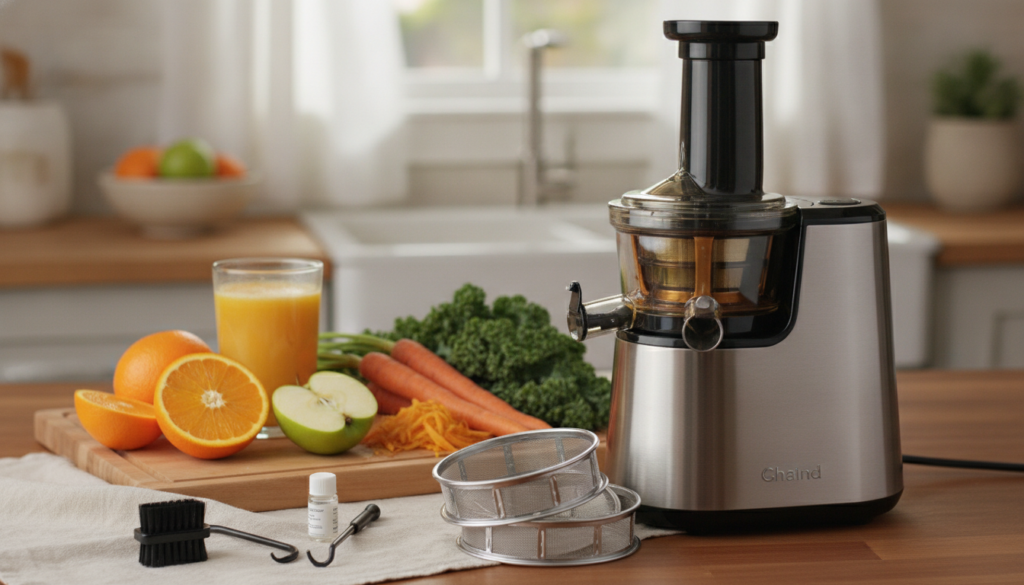
Machines differ greatly in how easily you can clean and sanitize them. Some have dishwasher-safe parts, which reduce cleanup after juicing. Premium models like the Nama J2 and Nama J3 use precise parts that usually need careful hand washing.
Check whether the manufacturer includes special cleaning brushes in the box. These brushes reach tight corners where fruit fibers collect. For easier rinsing, choose models with fewer moving parts or wider feed chutes.
Parts Replacement
Even durable machines wear out over time. Before buying, confirm that essential replacement parts will remain available. You should be able to find these essential parts easily:
- Replacement strainers and filters
- Augers or grinding screws
- Rubber seals and gaskets
- Pulp and juice collection containers
If a brand offers no clear way to buy spare parts, one failed seal could force you to replace the whole unit. A reputable brand often keeps these juicer extractor features supported for years.
Longevity Tips
Extend your appliance’s life by following a few simple habits. Rinse the machine right after use, before pulp dries on the mesh screens. Also, avoid overloading the feed chute, which strains the motor and internal gears.
If your machine has a reverse function, use it to clear jams without forcing the mechanism. Follow the manufacturer’s instructions for maximum continuous run times. Careful use helps your juicer extractor features deliver fresh, nutrient-dense juice for many seasons.
The Impact of Juicing on Your Health
Knowing how juicing affects your body helps you make informed lifestyle choices. Many people explore juicer extractor benefits to eat more fruits and vegetables. However, juice should supplement balanced meals, not replace them or cure health problems.
Boosting Your Immune System
Fresh juices contain key nutrients, including Vitamin C and antioxidants, that support your body’s natural defenses. Drinking juice made from colorful produce gives your body useful nutrients. However, we must remember that no single food or drink can directly prevent illness on its own.
“The foundation of good health is built on a diverse diet, consistent movement, and adequate rest, rather than any single dietary habit.”
Detoxification Benefits
Many people discuss the detoxifying effects of fresh juice. Your liver and kidneys already filter toxins from your body. Fresh juice supports hydration and provides phytonutrients that help these natural processes.
Weight Management
When reviewing juicer extractor benefits for weight management, watch portion sizes and total calories. Juicing removes most fiber from whole fruits and vegetables, so your body absorbs the liquid faster. Monitoring your intake matters because liquid calories can add up faster than calories from whole produce.
A juicer offers a simple way to enjoy nature’s fresh produce. With balance, you can enjoy homemade juice and maintain a healthy lifestyle.
Tips for Getting the Most Juice from Your Produce
High-yield juicing starts with proper fruit and vegetable preparation. Understanding your juicer extractor can help you extract more liquid from each batch.
Choosing the Right Fruits and Vegetables
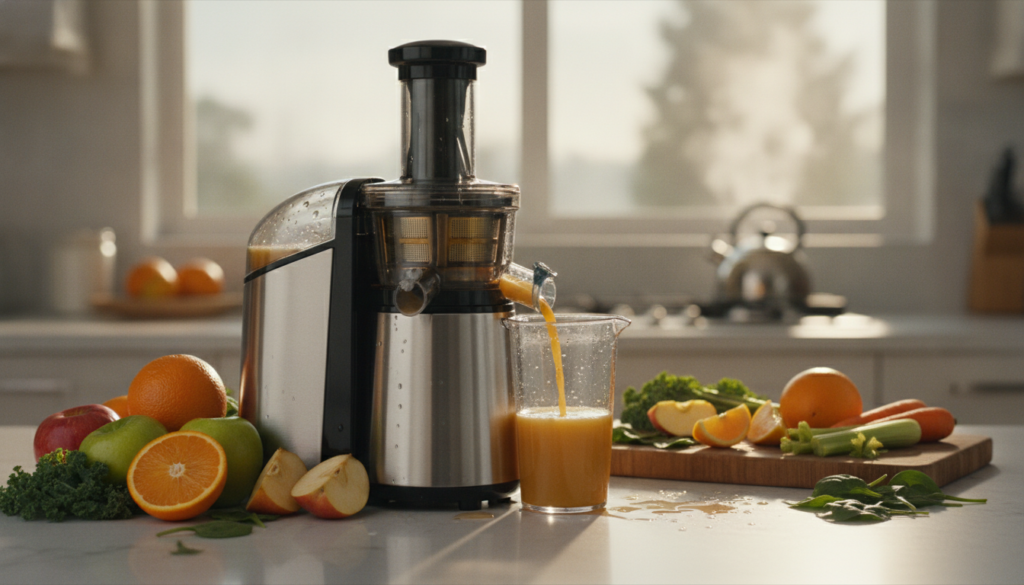
Choose produce that works well with your machine’s motor. Combine soft fruits like blueberries and grapes with firm vegetables, such as carrots and celery, for steady flow.
Leafy greens like kale provide excellent nutrients but can be difficult to process alone. Always pair them with denser items to help push the fibers through the juicer extractor efficiently.
Preparation Techniques
Proper preparation helps prevent clogs and improves juice yield. Cut fibrous produce like ginger or apples into small pieces before feeding them into the chute.
If the machine struggles, alternate soft and hard ingredients. Feed slowly or use the reverse operation on your juicer extractor to clear blockages and recover trapped juice.
Storage of Juice
For the best quality, drink fresh juice immediately after preparation. If you must store it, use an airtight glass container and refrigerate it.
Label each container with its preparation time, and drink the juice within 24 to 48 hours. Proper storage preserves the vibrant flavor and nutritional integrity of your homemade blends.
| Ingredient Type | Preparation Method | Juicing Tip |
|---|---|---|
| Firm (Carrots, Apples) | Cut into small chunks | Feed slowly for better yield |
| Leafy (Kale, Spinach) | Roll into tight bundles | Alternate with firm produce |
| Soft (Berries, Grapes) | Wash and remove stems | Use as a base for flavor |
| Fibrous (Ginger, Celery) | Slice into thin strips | Use reverse if it stalls |
Juicer Extractors Versus Blender: Which is Better?
Understanding juicing and blending helps you make an informed purchase. Both appliances increase fruit and vegetable intake, but they use different methods.
A juicer extractor separates liquid from fibrous pulp, creating a concentrated, nutrient-dense drink. A blender pulverizes each ingredient, so you consume the fiber with the juice. Your health goals and produce preferences should guide your choice.
Nutritional Differences
The main nutritional difference is fiber content. Blenders keep all fruit and vegetable fiber, which may regulate blood sugar and support digestion.
Juicers quickly deliver vitamins and minerals. Your body can absorb them faster because digestion does not break down heavy fiber.
- Juicers: Provide quick energy and high concentrations of micronutrients.
- Blenders: Offer a complete nutritional profile including essential dietary fiber.
Texture and Taste
A juicer extractor comparison reveals clear mouthfeel differences. Slow juicers usually make smooth, consistent liquid with little foam or separation. Centrifugal models work faster but add more air, creating a frothier texture.
Blenders create a thicker, heartier drink. Choose a blender if you want a beverage that feels like a meal. For a light, refreshing drink, choose a high-quality machine.
Versatility and Uses
Blenders handle more culinary tasks. You can make smoothies, creamy soups, sauces, and even frozen desserts.
Some advanced twin-gear juicers also make nut butter or fresh pasta. However, extraction remains their primary purpose.
| Feature | Juicer | Blender |
|---|---|---|
| Primary Output | Liquid Juice | Smoothie/Puree |
| Fiber Content | Low | High |
| Best For | Nutrient Absorption | Meal Replacement |
If you prefer thin, drinkable juice instead of thicker blended produce, invest in a top-rated juicer extractor. This gives your daily wellness routine the exact consistency you want.
Making the Right Choice for Your Lifestyle
Choosing the best juicer extractor means matching your habits with your kitchen’s space. Review your routine before you buy juicer extractor equipment, so the machine meets your needs.
Daily Juice Consumption
If you make large batches for the whole family, the heavy-duty Kuvings AUTO10 Plus is a smart investment. For single servings, the compact 9.7-pound Nama J3 saves valuable counter space. Learning what criteria should be used to choose a juicer extractor helps you avoid equipment that is too large or complex for daily output.
Space and Storage Considerations
Horizontal designs often need more storage space than vertical models. Measure your workspace to make sure your chosen juicer extractor fits comfortably. A smaller footprint often works best in busy kitchens with limited space.
Personal Taste Preferences
Your ideal machine depends on whether you prefer smooth, pulp-free drinks or thicker, fiber-rich blends. Prioritize easy cleaning, low noise, and enough capacity over brand reputation alone. A device that fits your lifestyle gives you the best value every day.