
 David Joseph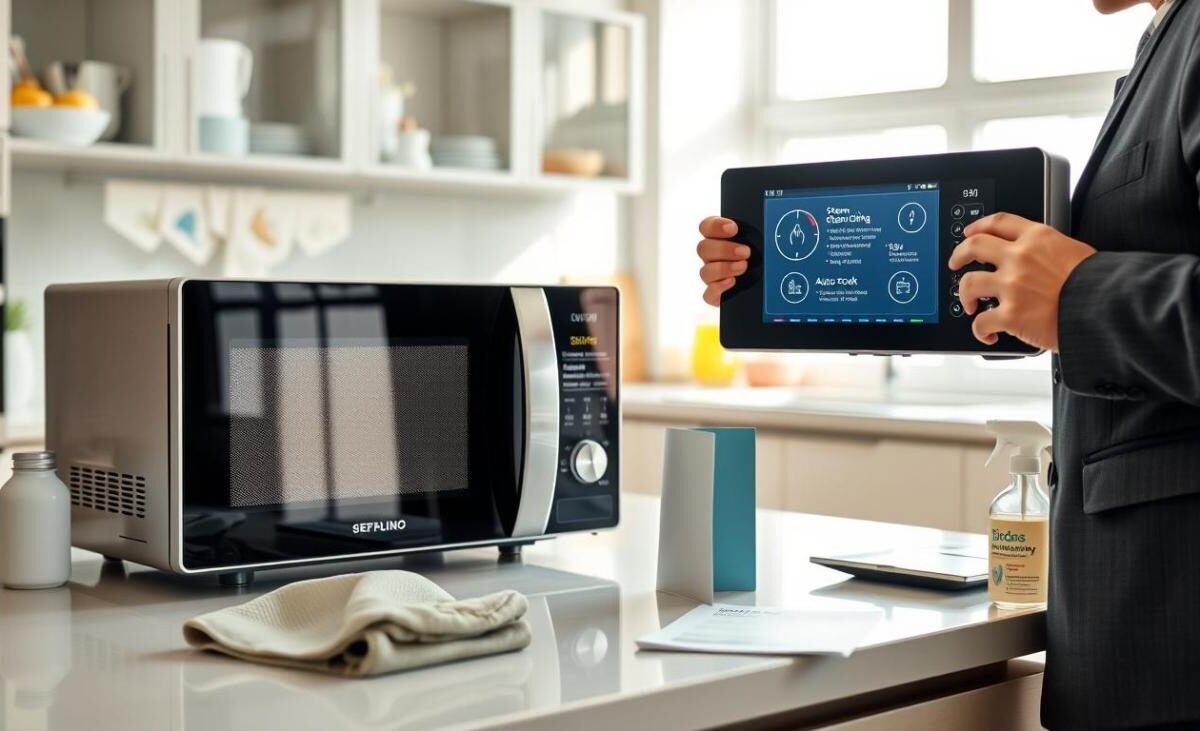
Did you know over 90% of American homes have a microwave? Yet, most just use it to reheat coffee. These kitchen tools have grown beyond simple heating.
Today, they offer advanced capabilities like convection cooking and precise steaming. These features make a basic microwave into a versatile kitchen partner. They help busy homes defrost ingredients quickly or cook full meals.
Choosing the right technology changes dinner prep. A high-quality smart microwave brings efficiency and consistency to cooking. Let’s find out how to pick the best one for your lifestyle and kitchen.
Key Takeaways
- Most households underutilize their current kitchen heating appliances.
- Modern units now include convection and steaming functions for better results.
- Advanced features help busy families save significant time during meal prep.
- Selecting the right model is a long-term investment in home convenience.
- Understanding your specific cooking habits is essential for choosing the perfect unit.
Understanding Smart Microwaves
Upgrading your cooking starts with understanding smart microwaves. They’re different from old models that only have timers and basic power levels. These new devices use advanced sensors and connect to the internet to make cooking easier.
These microwaves are seen as intelligent kitchen appliances. They make cooking faster and more precise. This lets us do other things while they cook.
What Makes a Microwave “Smart”?
A smart microwave connects to your Wi-Fi. This lets it get updates, work with apps, and talk to other smart devices.
They also have sensors for humidity and temperature. These sensors adjust cooking times. This means your food is cooked right, without being overcooked or dry.
Key Features of Smart Microwaves
The best innovative microwave features make cooking easier and more fun. Many can be controlled with your voice. Just say what you want, and it happens.
They also work with apps. You can check on your food from your phone. This makes cooking more flexible than ever before.
Benefits of Choosing a Smart Microwave
Getting a smart microwave brings big benefits to your kitchen. The main advantage is improved cooking consistency. The sensors make sure your food is always perfect.
These microwaves also fit well into your kitchen workflow. They make cooking easy and professional. This makes the smart microwave a great choice for any kitchen.
Factors to Consider When Buying
Choosing the right smart microwave means looking at your cooking habits and kitchen space. Before buying, measure your counter or cabinet to ensure a good fit. This step helps avoid installation headaches.
Size and Capacity
The size of your microwave is as crucial as its inside space. Models usually range from 0.9 to 2.2 cubic feet. This size affects how big a dish you can heat. Always check the size against your counter space for airflow.
Power and Wattage
The wattage of your smart microwave affects cooking speed and quality. Higher wattage means faster and more even cooking. Look for 900 to 1,200 watts for quick heating of frozen meals and leftovers.
Connectivity Options
Today’s appliances can connect to your home network. This lets you control settings or get notifications on your phone. It’s key for a connected kitchen experience.
| Feature | Standard Model | Smart Model | Performance Impact |
|---|---|---|---|
| Wattage | 700W – 900W | 1000W – 1200W | Higher speed |
| Capacity | 0.7 – 1.0 cu. ft. | 1.2 – 2.2 cu. ft. | More versatility |
| Connectivity | None | Wi-Fi / Bluetooth | Remote control |
| Efficiency | Basic | High | Energy savings |
Smart Technology Integration
Adding a wifi-enabled microwave to your home changes meal prep. It connects your kitchen to your network, making it more responsive. This intelligent kitchen appliance is key for modern, efficient living.
Compatibility with Smart Home Systems
Today’s microwaves work well with systems like Amazon Alexa, Google Home, or Apple HomeKit. They talk to other devices, like your smart air conditioner, for a balanced home. Seamless integration makes your home a single, automated system.
Mobile App Features
Mobile apps really boost daily convenience. They let you check cooking timers or adjust power levels from your phone. With this advanced cooking technology, you can start dinner while still at work.
Voice Control Capabilities
A voice-controlled kitchen appliance makes cooking easier with hands-free operation. When your hands are full, just speak to adjust settings or check time. This smart home device makes cooking more fun and efficient.
Popular Smart Microwave Brands
Looking at the market today, we see top brands leading the way in cooking technology. They stand out with their unique designs and user-centric interfaces. Choosing a cutting-edge microwave oven depends on finding the right fit for your kitchen and smart home.
Samsung Smart Microwaves
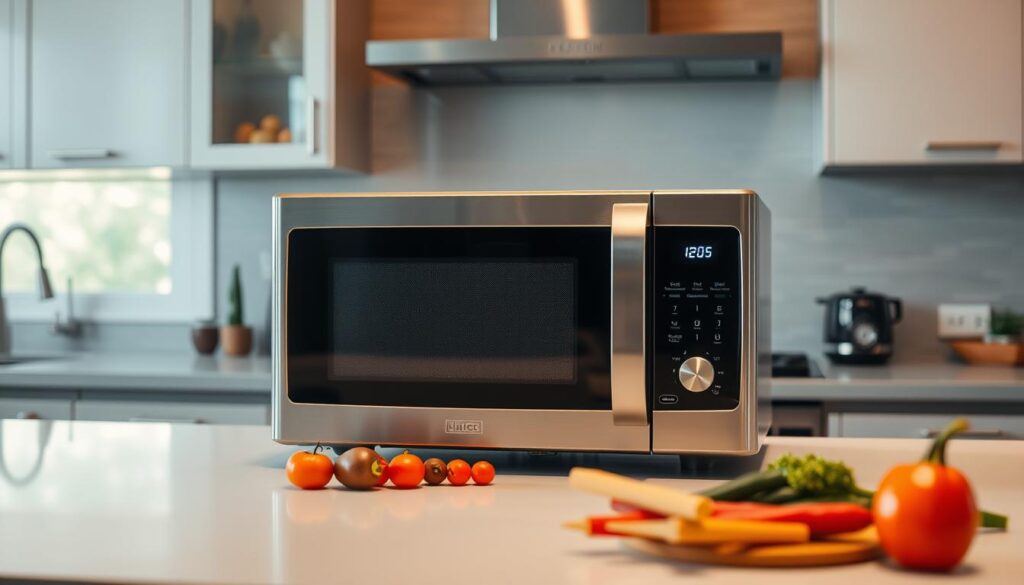
Samsung leads with a focus on easy connectivity and stylish looks. Their smart microwave range works well with home automation systems. This lets you control it from anywhere. Their innovative microwave features, like sensor cooking and steam cleaning, make them a top pick for tech lovers.
LG Smart Oven Range
LG shines by offering versatile and high-performance microwaves. They combine convection cooking with smart tech for a full kitchen solution. LG is a top choice for those who want consistent performance and lasting quality in their appliances.
Breville Smart Features
Breville is known for its focus on precision and cooking excellence. Their microwaves use advanced sensors for even heating. The Panasonic Genius Sensor Inverter NN-SN686S is also a top model, showing the high standards set by these leaders.
| Brand | Primary Strength | Best For |
|---|---|---|
| Samsung | Smart Connectivity | Modern Smart Homes |
| LG | Versatile Cooking | Multi-function Needs |
| Breville | Precision Heating | Culinary Enthusiasts |
User-Friendly Controls and Interfaces
Using your kitchen appliances should be easy and simple every day. The interface you pick affects how fast you can heat food or thaw ingredients. The right controls make a big difference in a busy home.
Touchscreen vs. Traditional Buttons
Today’s appliances often have sleek touchscreens for a clean look. These screens let you control your cooking with precise control and ease. But, some people like the feel of traditional buttons better.
Many families say physical buttons work best when hands are wet or dirty. Also, some appliances have large, ergonomic buttons for easier use. These are great for kids or older family members.
“Technology should simplify our lives, not complicate the simple act of preparing a meal.”
Remote Control Features
The connected home has made our kitchens more convenient. You can control your cooking from another room with a mobile app. This means you don’t have to stand over your food while it heats.
Adding a voice-controlled kitchen appliance to your smart home is even better. You can just speak commands to start, pause, or change settings. This hands-free option is a big help for those busy in the kitchen.
Cooking Performance and Efficiency
Modern kitchens need precision, and advanced cooking technology has made the microwave a top-notch kitchen tool. With smart sensors and better power control, a cutting-edge microwave oven cooks food evenly every time. This means no more cold spots or overcooked edges.
Sensor Cooking Technology
Modern microwaves have built-in humidity sensors. These sensors check the moisture in your food as it cooks. When the right steam level is reached, the system automatically adjusts the power or shuts off to avoid overcooking.
This is great for foods like veggies or leftovers that can dry out quickly. It uses real-time data for even cooking, saving you time and effort. It’s a game-changer for those who value both time and quality food.
Energy Consumption Comparison
Looking at long-term costs, the difference in heating systems is clear. Old magnetron systems turn power on and off to mimic lower heat. This can be wasteful and often leads to uneven cooking.
On the other hand, inverter-based models offer a continuous stream of power at different levels. This advanced cooking technology lets you control temperature better and uses less electricity. Choosing an inverter model is a smart choice for saving energy and enjoying a better microwave experience.
Installation and Space Requirements
Getting your microwave installed right is key for its safety and life span. Before buying, measure your kitchen space carefully. This avoids problems and makes sure the microwave fits well.
Countertop vs. Built-in Models
Deciding between a countertop or built-in microwave depends on your kitchen. Countertop microwaves are very flexible. They just need a flat spot and an outlet nearby. You can move them easily if you change your kitchen.
Built-in microwaves, on the other hand, give a clean look and save space. They need to be installed by pros to fit right. They’re fixed in place, so you must plan their spot carefully.
Ventilation Needs and Guidelines
Good ventilation is crucial, more so for over-the-range (OTR) microwaves. They replace range hoods, so they must clear smoke and smells. Check the maker’s advice to make sure it vents well for your cooking.
Also, keep the microwave safe from overheating. Make sure it’s far enough from the stove. This keeps it working well and keeps your family safe.
| Feature | Countertop | Built-in / OTR |
|---|---|---|
| Installation Ease | High (Plug and play) | Low (Requires mounting) |
| Space Usage | Occupies counter area | Saves counter space |
| Ventilation | None required | Integrated venting |
| Flexibility | High portability | Permanent fixture |
Smart Microwave Maintenance
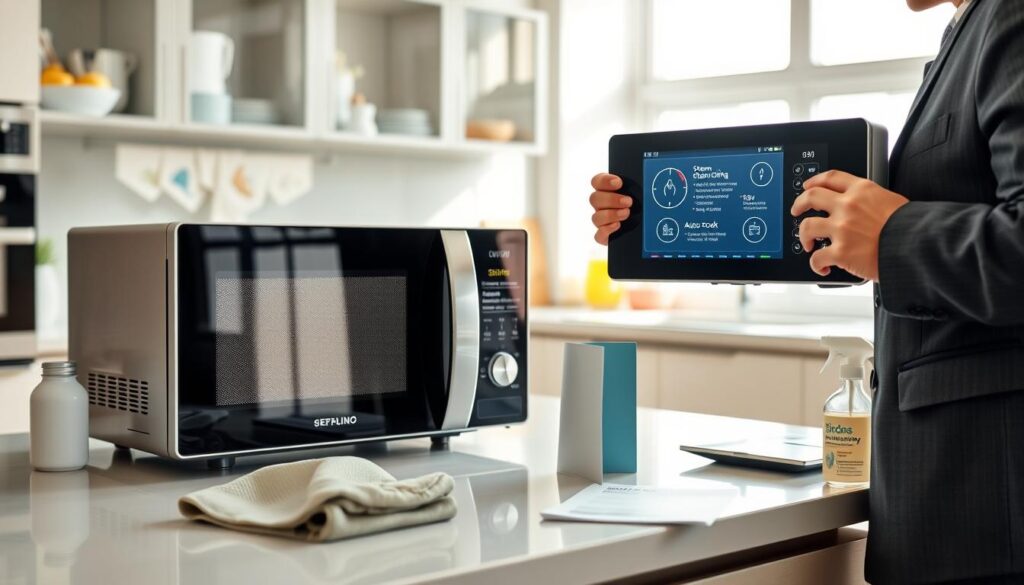
Looking after your smart kitchen is key. A bit of routine care can make your appliance last up to 10 years. Regular maintenance keeps it working its best.
Cleaning Tips for Smart Microwaves
It’s important to keep the inside and outside clean. For the inside, use a damp cloth with mild soap to remove food splatters right after cooking. Stay away from harsh chemicals and rough scrubbers to avoid damage.
The smart sensors inside need special care. They help control cooking times and power levels. Use a soft, dry microfiber cloth to clean the sensor area and keep your cooking accurate.
Troubleshooting Common Issues
Even top-notch appliances can have small problems. If your microwave won’t connect, check your router or restart it through the app. Sometimes, a simple reboot fixes connection issues and gets things working again.
Strange noises or uneven heating? Check the door seal and turntable alignment. Some problems need a quick reset, but others might need a pro. If you see error codes or electrical issues, get a technician to avoid warranty problems or more damage.
Pricing Range and Budgeting
Upgrading your kitchen can be pricey, and the cost of a wifi-enabled microwave varies a lot. It’s key to know how much you get for your money. We aim to guide you in choosing the right features for your budget.
Entry-Level Smart Microwaves
For those on a tight budget, entry-level microwaves are a good choice. They offer basic connectivity and simple app use for everyday heating. These affordable options are great for reheating and defrosting.
Looking for a reliable microwave? Check out the best over-the-range microwaves. They have essential smart features without the fancy cooking modes. Perfect for those who value ease over advanced cooking.
High-End Options: Are They Worth It?
High-end microwaves come with advanced features like air-frying and convection. They’re like a second oven, offering superior cooking performance for detailed recipes. If you love cooking complex meals, the cost might be worth it.
But think about your cooking habits first. If you mostly make quick snacks, you might not use the extra features. Consider how often you’ll use the smart sensors and convection settings before splurging.
| Feature Level | Price Range | Best For |
|---|---|---|
| Entry-Level | $150 – $300 | Basic reheating and remote alerts |
| Mid-Range | $300 – $600 | Sensor cooking and voice control |
| High-End | $600+ | Convection, air-frying, and smart home integration |
Conclusions and Recommendations
Upgrading your kitchen means understanding how modern appliances fit into your daily life. The right equipment changes how you cook and manage your time.
Essential Factors for Your Purchase
First, think about what you need. Look at sensor accuracy, connectivity, and size. A good smart home device should make cooking easier, not harder.
Make sure it works with your current systems like Amazon Alexa or Google Home.
Making the Right Choice
Consider your budget and the value of advanced features. Brands like Samsung or Breville offer durable and reliable appliances. They might cost more upfront, but they last longer.
Before buying, check your space and power needs. Reading user reviews can also help. The right tech keeps your kitchen efficient and ready for anything.