
 David Joseph
Did you know nearly half of all adults over 30 have gum disease? Keeping your mouth clean is key to a healthy smile. It helps avoid long-term damage.
Traditional string floss is common, but it’s hard to use every day. A water flosser makes a big difference in your daily routine.
Our water flosser guide shows you the latest tech for better gum health. We think everyone should have a brighter smile with good habits and the right tools. Let us help you take control of your dental wellness today.
Key Takeaways
- Gum disease affects nearly 50% of adults over 30.
- Modern tools simplify your daily cleaning routine.
- Consistent care leads to brighter and healthier smiles.
- Proper technique is essential for effective plaque removal.
- Our guide provides expert tips for better dental health.
What is a Water Flosser?
Many people wonder about the electric water flosser and its role in dental care. It’s a tool that cleans areas a toothbrush can’t. This makes it a key part of modern oral hygiene.
Overview of Water Flossing
Water flossing, or oral irrigation, uses a pulsating water stream to clean your mouth. It’s gentle yet very effective. By using it daily, you keep your gums healthy and your teeth clean.
How It Works
A water flosser works simply. It has a water reservoir that pumps water through a tip at a set pressure.
When you turn it on, the pump makes a pulsating stream. This stream gets rid of bacteria and food stuck between teeth and gums. It’s a deep clean without the need for string floss.
Benefits of Water Flossing
Using a water flosser has many benefits. It helps improve gum health by reducing inflammation and bleeding.
It’s also great for people with dental work. It makes cleaning around braces, bridges, and implants easy. This ensures your dental care is thorough, even with complex dental work.
Comparing Water Flossers to Traditional Floss
Choosing the right way to clean between your teeth is often a choice between old methods and new tech. String floss has been around for years, but it’s hard to use every day. Switching to a water flosser makes it easier to keep your teeth clean.
Effectiveness in Plaque Removal
String floss works well if you do it right, but it can hurt sensitive gums. If you don’t do it perfectly, it might cause bleeding. Water flossers, on the other hand, use water pressure to clean out plaque. This is gentler on your gums and gets into tight spaces.
Ease of Use
Manual flossing takes a lot of time and effort. It can be hard, even for those with good hand skills. Water flossers, by contrast, are quicker and easier to use. They fit well into a busy schedule, making it simpler to keep up with dental care.
User Preferences and Experiences
How comfortable you feel while cleaning is key to sticking with a routine. Many people prefer a comfortable and refreshing experience over a painful one. Choosing the right tool for your lifestyle helps you maintain good dental hygiene, leading to a healthier smile.
Key Features to Look for in a Water Flosser
When searching for the best water flosser, you’ll see many differences. It’s important to look at the technical details, not just the brand. Think about what you need for your teeth before you buy.
Pressure Settings and Modes
Being able to change the water pressure is key. Good models let you start soft and get stronger as needed. This helps if you have sensitive gums.
Modern water flossers also have special modes. These include pulse settings for gum massage and streams for orthodontic appliances. An electric water flosser with these options stays useful as your dental needs change.
Size and Portability
Think about how you live when choosing a water flosser. Travelers should pick a small, cordless one. These are easy to carry and still clean well.
For home use, bigger units are better. They have more power and work well all the time. Decide if you prefer something portable or a more powerful model.
Tank Capacity and Maintenance
The size of the water tank affects how long you can clean without refilling. A bigger tank is more convenient but takes up more space. Think about what you need.
Don’t forget about maintenance. Choose an electric water flosser with a removable tank. This makes cleaning easier. Keeping your device clean is key for the best performance.
Popular Water Flosser Brands
When you start looking for the best water flosser, you’ll see a few big names pop up. These brands have worked hard to make sure your daily flossing is both effective and comfy.
We’ve looked at these companies based on their reputation, reliability, and what dental pros say. Knowing these details helps you choose the right water flosser for your teeth.
Philips Sonicare
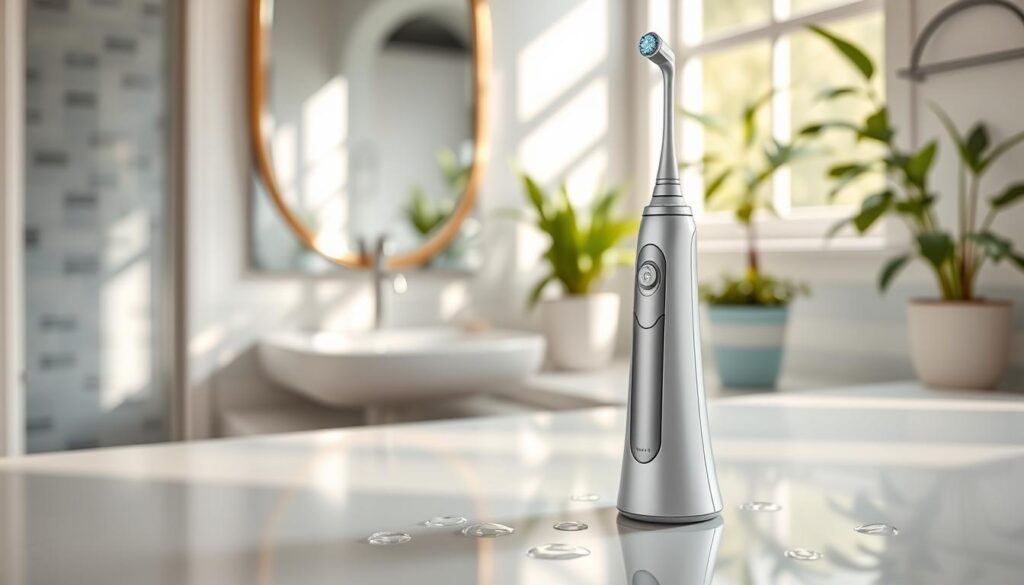
Philips Sonicare is known for its sleek look and advanced sonic tech. Many water flosser reviews say their devices are comfy and get rid of debris well.
Their products are easy to use, making them great for beginners. If you want something modern and reliable, Philips Sonicare is a good choice.
Waterpik
Waterpik is a leader in water flossers, even in dental offices. They focus on research to make sure their devices are top-notch for your teeth and gums.
The WP-660 is a top pick for many. It has different pressure settings and a big water tank, perfect for families or anyone.
Oral-B
Oral-B is a big name in dental care, known for combining flossing with their electric toothbrushes. Many people like how it ties their oral care together.
Looking for a top rated water flosser? Oral-B’s models are known for being tough and easy to clean. They’re a solid choice for better gum health every day.
How to Use a Water Flosser Effectively
Getting a professional clean at home is easy once you know how to use your device right. Learning the right movements makes your dental care safe and effective for your gums.
Step-by-Step Instructions
First, fill the water tank with lukewarm water. Make sure the tip fits well in the handle. Lean over the sink to avoid splashes and place the tip in your mouth before turning it on.
- Start at your back teeth and move towards the front.
- Hold the handle at a 90-degree angle to your gumline.
- Pause briefly between teeth to let the water clean out debris.
- Follow the gumline carefully, moving the tip along the spaces between each tooth.
Common Mistakes to Avoid
Many people start with the highest pressure setting. It’s better to start with the lowest setting to help your gums get used to it.
Another mistake is moving the tip too fast. Consistency is key; moving too fast can leave plaque in hard-to-reach areas.
“Proper flossing technique is the foundation of long-term oral health and prevents the buildup of harmful bacteria along the gumline.”
Tips for Maximum Benefit
Following this water flosser guide will help you keep a healthy smile. Here are some extra tips to make your daily routine better:
- Use warm water if you have sensitive teeth to improve comfort.
- Keep your lips slightly closed to minimize splashing while the device is running.
- Empty the reservoir after every use to prevent bacterial growth inside the tank.
| Pressure Level | Best For | Recommended Use |
|---|---|---|
| Low | Sensitive Gums | First-time users |
| Medium | General Cleaning | Daily maintenance |
| High | Deep Plaque Removal | Occasional deep clean |
By adding these steps to your dental care routine, your mouth will stay fresh and clean. Always refer back to this water flosser guide to keep your device working at its best.
Who Should Consider Using a Water Flosser?
Patients with certain dental needs often find water flossers very helpful. They offer a deeper clean than traditional string floss. Knowing the water flosser benefits can help you decide if it’s right for you.
Recommendations for Dental Health
Dental experts often recommend water flossers because they clean areas brushes miss. Studies show they can remove up to 99.9% of plaque. This makes them a key part of dental care, helping prevent problems like gingivitis and cavities.
If you have trouble with traditional flossing, these devices are a gentle option. You can adjust the pressure to keep your gums healthy without hurting them.
Special Cases: Braces, Implants, and More
For those with complex dental work, keeping things clean is hard. Water flossers are great for these situations. We suggest them for:
- Patients with braces: The water stream gets around brackets and wires to remove food.
- Individuals with dental implants: It keeps the area around the implant clean and free of debris.
- People with sensitive gums: It cleans well without being harsh like string floss.
- Those with bridges or crowns: It’s easier to clean around these restorations with a water flosser.
Using a water flosser can lower the risk of gum inflammation and other oral health issues. It’s a smart investment for your smile’s future dental care.
Maintaining Your Water Flosser
A clean device is key for good oral hygiene. Spend a few minutes each week to keep it in top shape. This way, your water flosser will last for many years.
Cleaning and Sanitizing
Every day, it’s important to clean your water flosser. Empty the water tank and dry it after each use. This stops bacteria and mold from growing.
For a deeper clean, mix white vinegar and water and flush the system monthly. This removes mineral deposits that can block the device and lower water pressure.
“Consistency in maintenance is the hallmark of a healthy, long-lasting dental care routine.”
Replacement Parts and Accessories
Even the best devices need updates now and then. Change your flosser tips every three to six months, like a toothbrush.
If the tips are frayed or the plastic is worn, replace them right away. This water flosser guide helps prevent damage to your gums.
Troubleshooting Common Issues
If your device’s pressure drops, don’t worry. It’s usually a clogged nozzle or mineral buildup inside.
- Check the tip for visible debris or blockages.
- Ensure the reservoir is seated firmly on the base.
- Run a cleaning cycle with a vinegar solution to clear internal lines.
If the motor sounds strained, check if it’s charged or plugged in right. Proper care keeps your device reliable for daily oral hygiene.
Cost and Value of Water Flossers
Choosing the right oral hygiene device is about weighing cost against future dental savings. The initial price might seem high, but think about the long-term health benefits. A reliable tool is a smart investment for those who value their smile.
Average Price Range
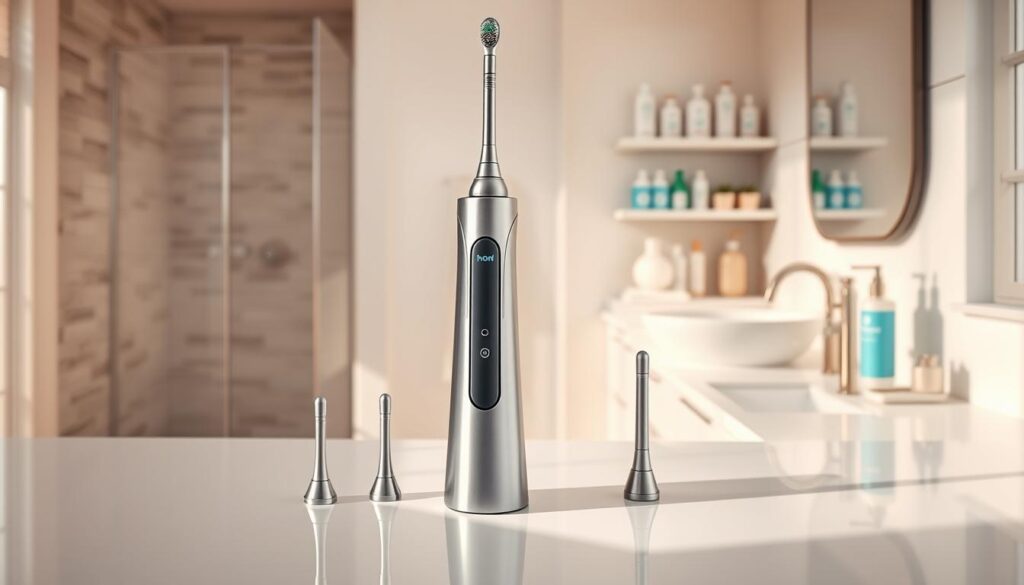
There are many options for different budgets. Basic models start at $30, perfect for beginners. For the best water flosser, look for premium models between $80 and $150. They offer advanced features and specialized tips.
Mid-range devices cost between $50 and $80. They offer a good balance of quality and features. Check water flosser reviews to find the best fit for your needs.
Evaluating Return on Investment
Water flossers prevent tooth decay and gum disease, saving you money in the long run. They reduce plaque buildup, avoiding costly dental procedures. A top rated water flosser is a proactive defense for your teeth.
Considering the cost of a dental visit, a quality device is a bargain. Premium models last for years, making the initial cost worthwhile for long-term savings.
| Device Tier | Price Range | Key Benefit |
|---|---|---|
| Entry-Level | $30 – $50 | Affordable entry |
| Mid-Range | $50 – $90 | Balanced features |
| Premium | $90 – $150+ | Advanced technology |
Discounts and Promotions
Finding deals is easier than you think. Look for seasonal sales, like during holidays or back-to-school. Sign up for newsletters from brands for exclusive coupons.
Online marketplaces also have discounts on popular models. Always compare prices to get the best deal. These promotions help you upgrade your dental care without spending too much.
Conclusion: Elevate Your Oral Hygiene Routine
Getting a professional clean at home is now easier than ever. Modern technology makes it simple to care for your teeth and gums.
The Impact of Consistent Care
Good oral hygiene is key to lasting dental health. You’ll enjoy fresher breath and healthier gums. This is because you’re removing debris that regular brushing misses.
Knowing the benefits of water flossers shows how valuable this daily habit is.
Take the Next Step
Brands like Waterpik, Philips Sonicare, and Oral-B have options for everyone. Choosing the right device lets you take charge of your dental health today. See how consistent, quality cleaning improves your smile.
Embrace the benefits of water flossers to keep your mouth clean and healthy for years.