
 David Joseph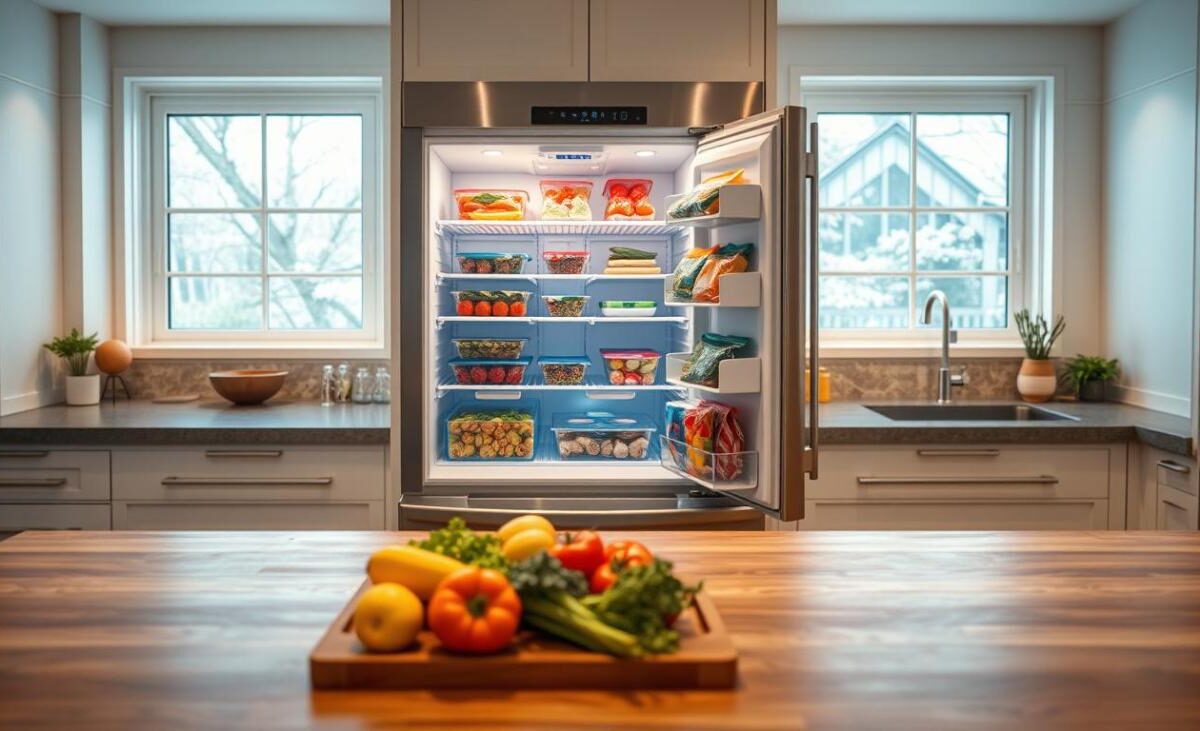
Did you know that household appliances use about 15% of our electricity? Picking the right freezer is more than just storing food. It’s a smart choice for your home’s energy use. When searching for an energy-efficient freezer, think about how much you need and your kitchen’s layout.
Choosing a top-rated freezer means looking beyond the price. Think about how much it will cost to run, its storage features, and how long it will last. Our guide to buying a reliable freezer makes these choices easier.
By focusing on what your family needs, you can find the perfect freezer. Let’s dive into how to make a choice that saves you time and money.
Key Takeaways
- Assess your available floor space before choosing between chest or upright models.
- Prioritize energy-efficient ratings to lower your long-term utility bills.
- Look for organizational features like adjustable shelves and bins to maximize storage.
- Understand the difference between manual and self-defrosting systems for maintenance.
- Consider specialized features like temperature alarms and quick-freeze options for convenience.
Understanding Different Freezer Types
The shape and style of your freezer affect how well you can store frozen food. Choosing the right freezer depends on your space and how you organize food.
Upright vs. Chest Freezers
A chest freezer is known for its large storage and energy savings. It opens from the top, keeping cold air inside better. This helps keep the temperature steady, even when you open it often.
An upright freezer works like a fridge. It’s great for organizing because of its vertical shelves and door bins. You can easily see what you have without digging through frozen layers.
Think about your space when choosing. Chest freezers need more room, while upright ones save space. They’re better for small areas or garages.
Portable Freezers for Small Spaces
A compact freezer is perfect for small places like apartments or offices. They offer extra storage without taking up too much space.
Portable freezers are also great because they’re easy to move. They’re perfect for extra storage in a utility room or more space in a small kitchen. They offer maximum flexibility for your needs.
Assessing Your Freezing Needs
Choosing the right freezer means balancing our daily cooking with long-term storage. We need to think about how often we use frozen food and what we store. This helps us pick a freezer that matches our lifestyle.
Meal Planning and Batch Cooking
For those who love meal prepping, keeping things organized is key. An upright freezer is great because it lets us see everything easily. This makes it simple to find what we need without digging through food.
For those who cook in big batches, having shelves for different sizes is important. A tidy freezer means we can easily find our soups, stews, and casseroles. This saves time and keeps our kitchen efficient.
Storage for Large Families
Big families need a freezer that can handle lots of food. A chest freezer is perfect for this because it has lots of room for big items. It might not have shelves, but it’s great for storing lots of meat or veggies.
Some families might even need a commercial freezer for lots of food. These freezers are made for heavy use and keeping food at the right temperature. But, we should think about how much space it takes up before buying.
| Storage Goal | Recommended Type | Key Benefit |
|---|---|---|
| Daily Meal Prep | Upright | Easy Organization |
| Bulk Meat Storage | Chest Freezer | Maximum Capacity |
| High-Volume Inventory | Commercial Freezer | Heavy-Duty Cooling |
Freezer Sizes and Capacity Explained
Finding the right freezer for your home is about matching size to space. It’s not just about how much you can store. The freezer’s size also matters for fitting in your kitchen or garage.
Whether you want a compact freezer or a bigger one, knowing the space it takes is key. Measure your space before buying to avoid hassle.
Small, Medium, and Large Options
Freezers come in different sizes, based on their volume. A compact freezer is small, from 3 to 5 cubic feet. It’s great for apartments or small offices, perfect for a few frozen items.
Medium freezers are 6 to 12 cubic feet, good for small families. Large ones, over 15 cubic feet, are for storing lots of food, like meat or meal prep.
Measuring Your Available Space
Before buying a upright freezer, measure the path it will take. Make sure it fits through your door, hallways, and into your kitchen or basement.
For a chest freezer, you need space for the lid to open. An upright freezer takes up less floor space but needs more room up and good air flow.
- Always leave at least 3 inches of space behind the unit for airflow.
- Verify that your power outlet is within reach of the power cord.
- Check that the floor is level to prevent door alignment issues.
| Size Category | Capacity (Cu. Ft.) | Best For |
|---|---|---|
| Small | 3 – 5 | Apartments & Offices |
| Medium | 6 – 12 | Small Families |
| Large | 15+ | Bulk Storage & Large Families |
Energy Efficiency and Costs
Choosing an energy-efficient freezer is a smart move to cut down on costs over time. The upfront cost is important, but we also need to think about the electricity it uses. Finding the right freezer helps us save money on our bills.
Energy Star Ratings
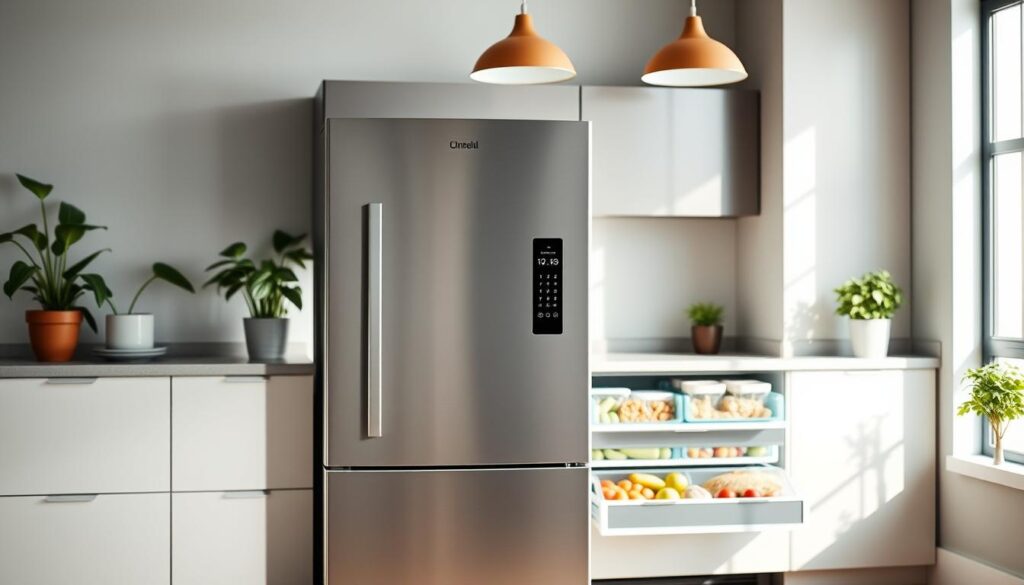
When looking for a new freezer, the Energy Star label is key. It shows the freezer meets high efficiency standards set by the U.S. Environmental Protection Agency. It’s important to compare ratings of similar freezers, like chest or upright models.
Chest freezers use less energy than upright ones because they keep cold air in better. Checking the Energy Star status helps us choose an efficient freezer that doesn’t waste power.
Understanding Operational Costs
The EnergyGuide label on the freezer shows estimated yearly costs based on average electricity rates. A frost-free freezer is convenient but might use more energy than a manual-defrost model. This is because it has heating elements to stop ice buildup.
It’s wise to think about the freezer’s lifetime value, not just the initial cost. A high-efficiency model might cost more at first, but it can save you money on your electric bill over time. Here’s how different factors affect a freezer’s energy use.
| Freezer Type | Efficiency Potential | Defrost Method | Typical Usage |
|---|---|---|---|
| Chest | High | Manual | Long-term storage |
| Upright | Moderate | Manual | Frequent access |
| Frost-Free Upright | Lower | Automatic | Convenience focus |
Key Features to Consider
There’s more to a freezer than just keeping things cold. The best ones fit your lifestyle and how you store food. By choosing wisely, your freezer will stay useful for many years.
Adjustable Shelves
Flexibility is key when you have a lot of food to store. An upright freezer often has shelves you can change. This lets you fit big items like turkeys or pizza boxes easily.
Look for freezers with easy-to-clean shelves. They should be spill-proof and slide out for quick access. Customization is the secret to a well-organized kitchen.
Temperature Control
Keeping your food at the right temperature is crucial. Modern freezers have digital displays to show the inside temperature. This helps avoid freezer burn.
If you like technology, consider a smart freezer. These offer:
- Real-time alerts if the door is open or power goes out.
- Remote monitoring through apps to check settings.
- Automatic diagnostic reports for quick problem-solving.
A freezer doesn’t need to be online, but smart features are handy. The best freezer balances performance and easy controls for a smoother daily life.
Frost-Free vs. Manual Defrost
Choosing between frost-free and manual defrost changes your daily routine. Frost forms when warm, humid air gets in during door openings. This moisture turns to ice, reducing your freezer‘s efficiency and taking up space.
Pros and Cons of Each
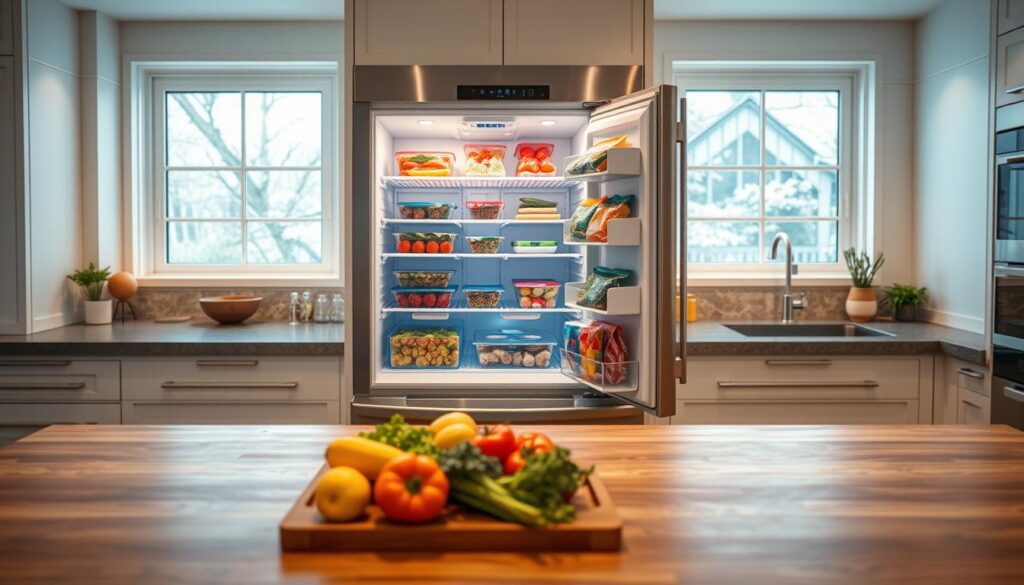
A frost-free freezer automatically prevents ice buildup with an internal fan and heating element. This saves you from manual labor but can dry out food if not sealed well. In contrast, a manual defrost chest freezer is more energy-efficient and keeps a stable temperature for long storage.
Manual models need you to empty and defrost them periodically. This might seem like a chore, but it keeps your appliance running well without the need for complex automatic systems.
| Feature | Frost-Free | Manual Defrost |
|---|---|---|
| Maintenance | Low (Automatic) | High (Manual) |
| Temperature | Fluctuating | Very Stable |
| Energy Use | Higher | Lower |
| Best For | Daily Access | Long-term Storage |
Maintenance Tips and Tricks
Proper care extends your appliance’s life, regardless of type. For manual units, defrost when ice is a quarter-inch thick. Always use a plastic scraper to avoid damaging the interior walls of your chest freezer.
“Regular maintenance is the secret to longevity. A clean, well-inspected unit will always outperform a neglected one, saving you money on energy bills and preventing food spoilage.”
When cleaning your freezer, make sure it’s unplugged and empty. Use a mild baking soda and water solution to wipe down surfaces. Also, check the door seals for any cracks or gaps, as these can cause excessive frost in any frost-free freezer.
Noise Levels and Operation
Finding a quiet freezer is key for a peaceful home. The sound an appliance makes is as important as how well it cools. Think about where you’ll put it before buying.
How to Choose a Quiet Model
For less noise, choose an upright freezer with advanced compressors. These compressors adjust their speed to match the freezer’s temperature. This means less loud cycling sounds. Also, make sure it’s installed right to avoid vibrations.
Place your freezer on a level surface to stop it from rattling. If you’re looking at a smart freezer, check its app. This can show if it’s working too hard. An energy-efficient freezer is usually quieter because it doesn’t need to work as hard.
Decibel Ratings Explained
Decibel (dB) ratings measure sound levels. Most freezers are between 35 and 50 decibels, like a quiet library. Knowing this helps you pick the right one for your home.
| Noise Level (dB) | Sound Comparison | Recommended Location |
|---|---|---|
| 35 – 40 dB | Whisper or Library | Bedroom or Home Office |
| 41 – 45 dB | Quiet Conversation | Kitchen or Pantry |
| 46 – 50 dB | Refrigerator Hum | Garage or Basement |
When picking a smart freezer, remember it might beep or alert you. Always check the decibel rating to meet your needs. This way, you get a energy-efficient freezer that’s quiet and keeps your food frozen.
Where to Buy Freezers
Looking for a compact freezer or a heavy-duty unit? Knowing where to shop is key. Think about what you need, like professional installation or the best price.
Local Appliance Stores
Local shops let you see the freezer before buying. You can check the build, test the seals, and ask maintenance questions.
- Personalized service: Staff can give advice based on your kitchen.
- Immediate availability: You might take it home the same day.
- Installation support: Many offer setup and old appliance removal.
Online Retailers
Online stores are convenient and have a wide selection. You can filter by price, size, and ratings to find a top-rated freezer that fits your budget.
When buying online, check the delivery terms and return policies. Also, see if they offer specialized support for commercial freezers.
Save money by buying during big sales like Black Friday or Cyber Monday. These times have big discounts on quality units. Always check the warranty to protect your investment for years.
Popular Freezer Brands
We often look toward established industry leaders to find a top-rated freezer that meets our specific storage needs. While brand recognition is helpful, we recommend prioritizing independent performance data and user reviews. This ensures you select a model that truly fits your lifestyle.
Whether you are looking for a standard home unit or a commercial freezer for heavy-duty storage, understanding the core strengths of major manufacturers is vital. Each brand brings unique engineering philosophies to the table. They range from basic, durable designs to advanced, connected systems.
Whirlpool and Frigidaire Innovations
Whirlpool and Frigidaire have long been staples in American kitchens, known for their reliability and straightforward usability. These brands often focus on robust construction. They are excellent choices for those who prioritize longevity over flashy tech.
Their designs frequently mirror the durability found in a commercial freezer. They use heavy-duty shelving and consistent cooling systems. If you need a dependable freezer that performs well without complex maintenance, these manufacturers remain the gold standard.
LG and Samsung Features
In contrast, LG and Samsung have revolutionized the market by introducing the smart freezer concept to the modern home. These units often feature integrated Wi-Fi, internal cameras, and touch-screen interfaces. They allow for better inventory management.
Beyond connectivity, these brands excel in energy efficiency and sleek, modern aesthetics. A smart freezer from these companies is ideal for tech-savvy households. They want to monitor temperatures and storage status directly from their smartphones.
The best appliance is one that balances your specific storage requirements with the long-term support provided by a reputable manufacturer.
| Brand | Primary Strength | Best For |
|---|---|---|
| Whirlpool | Durability | Traditional Households |
| Frigidaire | Value | Budget-Conscious Buyers |
| LG | Smart Tech | Connected Homes |
| Samsung | Design | Modern Kitchens |
Ultimately, identifying a top-rated freezer requires looking past the logo and examining the specific features that matter to you. By comparing these industry leaders, you can confidently choose a freezer that serves your family for years to come.
Warranty and Customer Service
Long-term reliability of cooling equipment depends on manufacturer support. Whether it’s a top-rated freezer for home or a heavy-duty unit for business, the fine print is key. A good service agreement is like a safety net for your investment.
What to Look for in Warranty Policies
When checking a warranty, look beyond the standard coverage period. The best policies cover parts and labor for at least a year. The compressor warranty is crucial, as it’s often the most expensive part to replace.
Be sure to check for exclusions that might void your coverage. For example, using a commercial freezer at home or neglecting maintenance can lead to denied claims. Make sure the manufacturer has a network of authorized repair technicians in your area for quality service.
Importance of Customer Support
Good customer support is vital when technical issues pop up. For a smart freezer, this means access to software help and troubleshooting guides. If your unit has a connectivity problem, a quick response from support can save you a lot of time.
For a commercial freezer, downtime can cost a lot due to spoiled inventory. Business owners should look for brands with expedited response times and dedicated service lines. Even for a standard freezer, knowing the company stands behind its product gives peace of mind.
When comparing a smart freezer to others, check the manufacturer’s service network. A top-rated freezer is only as good as the company’s ability to provide parts when needed. Look at online reviews to see how other users rate the brand’s support.
Tips for Freezer Organization
Organizing our freezers makes daily life easier. Whether we have a small frost-free freezer or a large commercial one, staying organized saves us money and reduces waste.
Optimizing Layout with Labels
Using clear plastic bins for similar items is a good idea. Label them with dates to use older items first. This keeps our freezer neat and makes finding food easy.
Tracking Inventory for Efficiency
Keeping a list of what we have helps us stay on top of our stock. Smart freezers often have tools to help with this. Tracking expiration dates keeps food fresh. This way, our kitchen runs smoothly and we get the most from our freezer.