
 David Joseph
Did you know that the average home collects up to 40 pounds of dust every year? Keeping your home clean and healthy is key. The right tools are needed to manage allergens and debris well.
Choosing the right vacuum cleaner is crucial for a clean and healthy home. We look at what affects your choice. This includes how different models work on different surfaces.
Our guide will help you shop with confidence. You can even find the perfect handheld vacuum for those hard-to-reach spots. We aim to help you find the perfect vacuum for your home.
Key Takeaways
- Understand the impact of dust accumulation on your home health.
- Learn how different models perform on various floor surfaces.
- Gain confidence when navigating the complex appliance market.
- Discover how to match specific features to your unique household needs.
- Identify the best tools for maintaining a pristine living environment.
Understanding Different Types of Vacuum Cleaners
Choosing the right vacuum depends on your home’s layout and needs. With many options, finding the best vacuum cleaner for your home is key. It’s about understanding how these tools are designed to perform.
Upright vs. Canister: Key Differences
Upright vacuums are popular in many American homes. They have powerful suction and clean wide areas. They’re great for deep cleaning carpets, lifting dirt well.
Canister vacuums, on the other hand, are better for moving around. The motor is separate, making the wand lighter. This makes them perfect for stairs, upholstery, and tight spaces.
Robot Vacuums: Pros and Cons
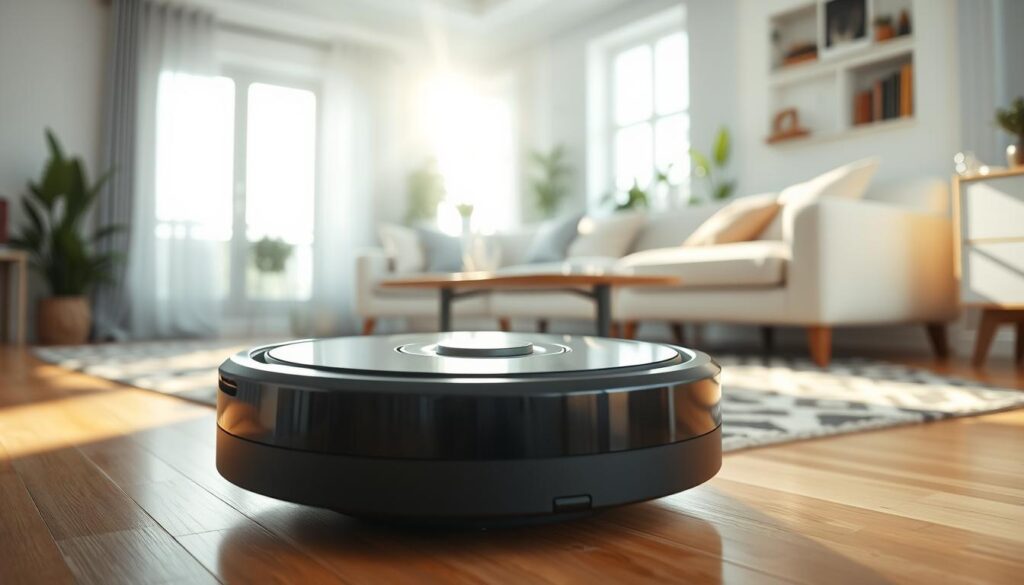
The robot vacuum cleaner has changed floor maintenance. It’s great for busy homes that need daily cleaning without effort.
But, they’re not perfect for deep cleaning or navigating obstacles. They’re best for surface-level cleaning. They should be seen as a supplement, not a replacement.
Stick Vacuums: Convenience and Portability
For easy use, a lightweight vacuum cleaner is a good choice. They’re made for quick cleanups and easy storage. They fit well in small spaces.
Many are also cordless vacuum cleaners, avoiding tangled wires. This makes them easy to move around. Their slim design lets you clean under low furniture easily.
Assessing Your Cleaning Needs
Choosing the right vacuum starts with knowing your floors and lifestyle. Look at your home’s layout to pick a vacuum that fits you. This way, you avoid buying a vacuum that doesn’t meet your needs.
Flooring Types: Carpets, Hardwoods, and More
Different floors need different vacuums. Upright vacuums are great for carpets because they clean deep. They have brushes that move the carpet fibers.
Hardwood or tile floors are better with canister vacuums. They’re easy to move around and won’t scratch your floors. A lightweight vacuum cleaner with adjustable suction is perfect for mixed floors.
Pets at Home: Choosing the Right Features
Pets make cleaning harder. Look for vacuums with special tools and tangle-free brushes for pet hair. These tools save you time by preventing hair from getting stuck.
A lightweight vacuum cleaner is great for quick cleanups. It’s easy to move around and clean up messes fast. Consistency is key for keeping pet dander under control.
Allergies and Air Quality Considerations
If you have allergies, the vacuum’s filter is crucial. A HEPA filter vacuum cleaner catches 99.97% of allergens. This keeps your air clean while you vacuum.
Make sure the vacuum is a sealed system to keep air inside. A certified HEPA filter vacuum cleaner is best for your family’s health. Breathing easier starts with the right vacuum.
Key Features to Look For in a Vacuum Cleaner
Understanding your vacuum’s mechanics is key to a clean home. Before buying, check a vacuum cleaner buying guide to learn about different technologies. This helps you find a vacuum that fits your home’s needs.
Suction Power: Importance and Measurement
Suction power is crucial for cleaning. Manufacturers use air watts or sealed suction to measure it. But, how well it works on your floors is what matters most.
A good cordless vacuum cleaner has advanced motors for strong airflow, even when the battery is low. For a robot vacuum cleaner, strong suction is key for pet hair and dust. Look for adjustable settings to save energy on hard floors.
Filtration Systems: HEPA vs. Standard Filters
For allergy sufferers, a HEPA filter vacuum cleaner is essential. It captures 99.97% of particles, including pollen and dust mites. This improves air quality by keeping allergens out of your home.
Standard filters can’t catch tiny irritants. A sealed system with HEPA filters is best for a healthy home, even with pets or dust.
Attachments and Accessories: Maximizing Versatility
The right tools can turn your vacuum into a home maintenance system. Crevice tools, upholstery brushes, and dusting wands help with tight spots and furniture. Choose a bagless vacuum cleaner with easy-to-attach and store accessories.
Modern vacuums come with special attachments for tasks like cleaning stairs. Versatility is important for getting the most from your vacuum. Make sure the model you choose has the tools you need for your home.
Budgeting for Your Vacuum Cleaner Purchase
Many homeowners find that the true cost of a vacuum cleaner goes beyond the initial price. When you decide how much to spend on a vacuum, it’s important to think about your needs and budget. A smart choice means getting great performance without spending too much on features you don’t need.
Price Ranges: What to Expect
The market has many options, from affordable to luxury models. Knowing these ranges helps you find what you need.
- Entry-Level ($50 – $150): Great for small spaces or light cleaning.
- Mid-Range ($200 – $450): Offers good durability and suction power.
- Premium ($500+): Includes advanced features like a robot vacuum cleaner or better allergen filtration.
Long-Term Costs: Maintenance and Accessories
The initial cost is just the start. You also need to think about ongoing expenses to keep your vacuum in top shape.
Here are some common costs:
| Expense Item | Frequency | Estimated Cost |
|---|---|---|
| HEPA Filters | Every 6-12 months | $20 – $50 |
| Replacement Bags | As needed | $10 – $30 |
| Brush Rollers | Every 2 years | $25 – $60 |
“True value is found not in the lowest price, but in the longevity and reliability of the machine you choose for your home.”
Choosing Value Over Brand Names
It’s easy to be drawn to famous brands, but name recognition doesn’t always mean better cleaning. Look at performance metrics instead of marketing. A lesser-known brand might offer the same quality as a well-known one for less money.
Choose machines with easy-to-find replacement parts and clear manuals. If you’re looking at a robot vacuum cleaner, check for software updates and battery life. This way, you get a reliable tool for your home for years.
The Role of Brand Reputation and Reviews
Finding the right home cleaning appliance can be tough. With so many options, it’s smart to rely on trusted brands and real feedback. This way, you can avoid regretting your purchase.
Trusted Brands in the Vacuum Cleaner Market
Some brands are well-loved in the U.S. for their quality. Dyson and Shark are known for their advanced suction and easy-to-use designs. Miele stands out for its lasting durability and top-notch filters.
Going for a best vacuum cleaner from a trusted brand means you can trust it to last. These brands usually have better customer support and parts availability. This can save you from the hassle of a broken vacuum after the warranty ends.
How to Read and Interpret User Reviews
When looking at vacuum cleaner reviews, look for common themes, not just one-off comments. A few bad comments about a small part shouldn’t scare you off if most reviews are positive. Focus on patterns like suction, battery life, or how easy it is to clean.
Make sure the reviews are from real buyers. If a top rated vacuum cleaner gets praised for its performance on certain floors, it might be right for you. Ignore extreme reviews that seem biased or lack details.
Expert Recommendations: Where to Find Them
Professional testing groups offer deeper insights than just user feedback. They test things like airflow, how well it picks up debris, and noise levels. These reports can help you find the best value for your needs.
It’s smart to compare these expert findings with real user experiences. This way, you can cut through the marketing and find a vacuum that really delivers. Using both expert data and user feedback is the best way to find a quality appliance.
Understanding Warranty and Customer Service
We think a vacuum’s value is tied to the company’s support. The specs are key, but the real value comes from the service after you buy it. Checking these details early can prevent future headaches.
Importance of a Good Warranty
A good warranty protects you from manufacturing defects and sudden breakdowns. Reputable brands offer a warranty that covers the motor and key parts for a few years. Look for at least two to five years of coverage for peace of mind.
It’s crucial to read the fine print. Some things, like normal wear or misuse, might not be covered. Also, shipping costs to a service center are often not included.
Evaluating Customer Support Options
Test a brand’s customer service before buying. Look for live chat, email, and phone support. Quick and helpful responses show how they’ll treat you if issues come up.
Look for these signs of great support:
- A detailed online knowledge base or FAQ.
- Local repair centers near you.
- Easy access to a human representative.
Returning a Vacuum Cleaner: Policies to Know
Know the return policies before buying. Stores have different rules for open-box or used items. Check if they charge a restocking fee for returns, as it affects your budget.
Consider these when reviewing return policies:
- The return window, usually 15 to 90 days.
- If you must pay for return shipping if the item is not faulty.
- Requirements for original packaging and accessories.
Where to Purchase Your Vacuum Cleaner
We aim to guide you through the different places to buy, ensuring you get great value. The right place to buy can affect the price and support you get. Whether you like home delivery or want to test a lightweight vacuum cleaner in person, each option has its benefits.
Online Retailers vs. Brick-and-Mortar Stores
Online shopping is super convenient and offers a wide range of choices. You can compare prices and read vacuum cleaner reviews from others. It’s perfect for those who know what they want and want the best deal delivered to them.
On the other hand, going to a physical store lets you touch and try the vacuum. You can see how it’s built and how it feels. For many, this hands-on experience is crucial to make sure the top rated vacuum cleaner fits their needs.
Considerations for Buying Used or Refurbished
Buying used or refurbished can save you money on top models. Many makers have certified refurbished programs with warranties. But, always check the machine’s condition and the return policy before buying.
When buying from a private seller, look for signs of wear or damage. Ask about the maintenance history to ensure everything is in good shape. Transparency is key when buying used to avoid future repair costs.
Timing Your Purchase: Sales and Promotions
Buying at the right time can save you a lot of money. Holidays like Black Friday and Prime Day offer big discounts. Keep an eye on prices for a few weeks if you don’t need it right away.
| Shopping Channel | Primary Benefit | Best For |
|---|---|---|
| Online Retailers | Convenience & Selection | Price comparison |
| Physical Stores | Hands-on Testing | Ergonomic checks |
| Refurbished Outlets | Cost Savings | Budget-conscious buyers |
Essential Maintenance Tips for Longevity
Regular care keeps your vacuum running like new for years. Spending a little time on upkeep can prevent issues like loss of suction. Consistent maintenance is key to protecting your investment.
Cleaning and Replacing Filters
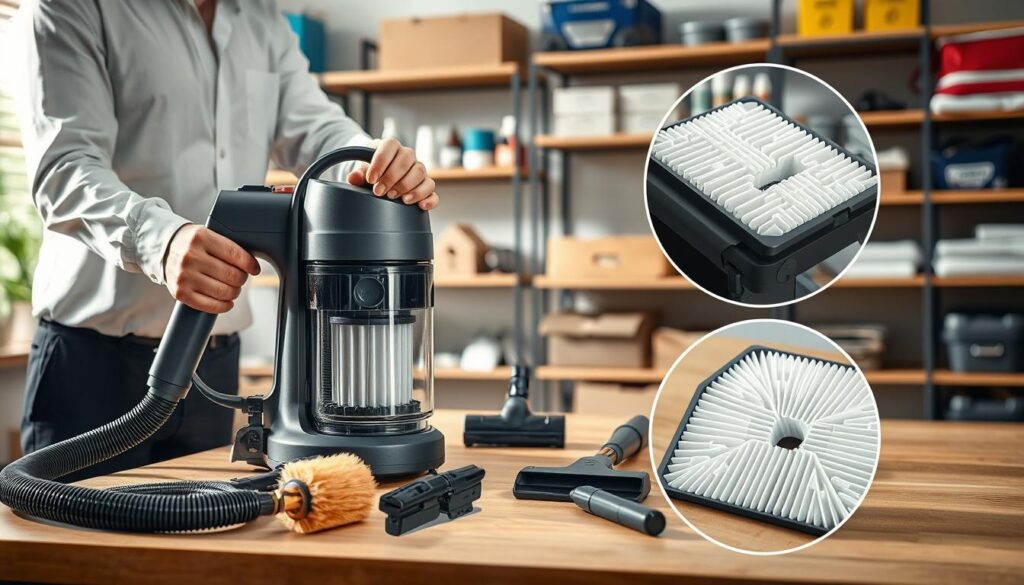
For a HEPA filter vacuum cleaner, it’s crucial to keep the filter clean. Most makers suggest washing or replacing filters every three to six months. Make sure the filter is dry before putting it back in the machine to avoid mold.
Keeping Brushes and Hoses Clear
Debris can get stuck in the brush roll or intake hose, reducing airflow. For a bagless vacuum cleaner, empty the dust bin after each use to avoid clogs. Use a long, flexible tool to clear out hair or dust from the hose.
Regular Maintenance Schedule: Setting Reminders
Having a regular routine helps you catch issues early. For a cordless vacuum cleaner, set a monthly reminder to check the battery contacts and brush head. A bagless vacuum cleaner should have its bin and cyclone assembly deep cleaned monthly.
By following this simple schedule, your HEPA filter vacuum cleaner will keep trapping allergens well. Whether you have a corded or cordless vacuum cleaner, these steps will keep your home clean. Consistency is the secret to long-term performance.
Making Your Final Decision
Choosing the right appliance means looking at your home’s needs. Compare your top picks to find the best fit for your lifestyle.
Comparing Your Top Picks
Make a list of your favorite models. A top rated vacuum balances power and ease. If you hate buying bags, a bagless vacuum might be better.
Asking for Recommendations from Friends
Ask friends about their cleaning tools. They can offer insights based on their own experiences. This helps you choose the best vacuum for your home.
Trusting Your Instincts
Your comfort with the vacuum is key. Choose one that feels good in your hands. When you’re sure, you’ll keep your home clean for years.