
 David Joseph
Did you know the average American household does over 300 loads of laundry each year? Your washing machine is crucial in your home. Choosing the right one is a big deal that affects your daily life and your wallet.
Finding the perfect washing machine can be tough. It’s all about matching your lifestyle with your laundry needs. By looking at important features, you can save time and money with your new washer.
This guide will help you make a smart choice. We’ll cover the key things to think about for a better laundry experience.
Key Takeaways
- Assess your household size to determine the ideal capacity for your needs.
- Compare energy efficiency ratings to lower your monthly utility costs.
- Consider the physical space available in your laundry room before purchasing.
- Evaluate different cycle options to protect your delicate fabrics.
- Understand the long-term maintenance requirements of various appliance models.
Understand Your Laundry Needs
Identifying your laundry habits is key when buying a washing machine. Before looking at different models, think about what you really need. A good washing machine should fit into your daily routine and make doing laundry easier.
Assess Your Household Size
The size of your household is the main thing to consider. More people mean more laundry, so you’ll need a bigger drum. For bulky items, a washer with at least 4.5 cubic feet is best for a king-size comforter.
| Household Size | Recommended Capacity | Load Frequency |
|---|---|---|
| 1-2 People | 3.0 – 4.0 cu. ft. | Low |
| 3-4 People | 4.0 – 5.0 cu. ft. | Moderate |
| 5+ People | 5.0+ cu. ft. | High |
Consider Your Laundry Habits
Think about how often you do laundry. If you do big loads on weekends, you’ll need a big drum. But if you do small loads daily, a smaller machine might save energy.
“The secret to a stress-free laundry day is matching your machine’s capabilities to the rhythm of your household’s unique schedule.”
Evaluate Stains and Fabric Types
Choose a laundry machine that fits your clothes. If you’re active outdoors, look for a washer with strong stain removal. For delicate fabrics, make sure your washing machine has gentle cycles.
Explore Different Types of Washing Machines
Choosing a new washing machine means looking at several styles to find the best one for you. The type of laundry machine affects how well it cleans, how much water it uses, and how easy it is to use. We aim to guide you in making a choice that fits your needs and preferences.
Top-Loading vs. Front-Loading
The main debate is about the door’s position. A front load washer is known for its excellent cleaning and gentle fabric care. It uses about 10 gallons of water per load, making it very efficient.
A top load washer is easier to use since you don’t have to bend down. But, it uses about 20 gallons of water per load. Choosing the right style depends on whether you value water savings or ease of use.
High-Efficiency vs. Traditional
High-efficiency (HE) models use less water and energy for a deeper clean. They have sensors to adjust water based on the load size. While they take longer, they save money on bills in the long run.
Traditional models clean faster. They’re great for busy homes where speed is key. They’re also simpler to use and maintain.
Compact and Portable Models
For small spaces, like apartments or tight homes, compact appliances are ideal. They fit in small areas without losing capacity. Some portable models even connect to your kitchen sink for extra convenience.
| Washer Type | Water Usage | Cleaning Power | Best For |
|---|---|---|---|
| Front Load | Low (10 gal) | High | Efficiency |
| Top Load | High (20 gal) | Moderate | Convenience |
| Compact | Very Low | Moderate | Small Spaces |
Evaluate Washing Machine Features
We think the best laundry experience comes from picking a machine with the right mix of size and power. Today’s washing machine can handle different fabrics with great care. By looking at specific features, you can find the perfect appliance for your home.
Load Capacity and Size
The size of the drum is key to how many clothes you can wash at once. A bigger washer is great for families, as it means fewer loads each week. Make sure to check if the front load washer or top load washer fits in your laundry room.
Spin Speed and Efficiency
Spin speed is important for getting water out of clothes before they dry. Look for a stainless steel tub for better spin speeds than plastic or porcelain. This helps clothes dry faster, saving energy.
Special Wash Cycles
Today’s laundry machines have special settings for different fabrics and dirt levels. Many have automatic detergent dispensers for the best cleaning. These cycles protect delicate items and clean tough stains well.
| Feature Category | Standard Performance | Premium Performance |
|---|---|---|
| Drum Material | Porcelain/Plastic | Stainless Steel |
| Spin Speed | Low (800 RPM) | High (1200+ RPM) |
| Cycle Options | Basic (3-5) | Advanced (10+) |
| Detergent System | Manual Add | Auto-Dispensing |
Consider Energy Efficiency Ratings
Buying an energy efficient washer can really cut down your utility bills. It might cost more upfront, but it saves money in the long run. Look at how much power and water it uses, not just the price.
Importance of ENERGY STAR Certification
Choosing an ENERGY STAR certified washing machine is smart. It means the washer will save you money over time. These machines meet strict EPA standards, using less electricity and water than others.
Understanding Water and Energy Consumption
It’s important to understand energy labels to make a good choice. Look for the estimated annual energy usage. This helps you compare different washers, like front load and top load, to find the most efficient one.
Long-Term Savings on Utility Bills
Efficient washers save you money in the long run. They use advanced sensors to save water and energy. This leads to big savings on your utility bills.
| Feature | Standard Model | Energy Efficient Model |
|---|---|---|
| Annual Energy Cost | $80 – $120 | $30 – $50 |
| Water Usage per Load | 20 – 25 Gallons | 10 – 15 Gallons |
| Average Lifespan | 10 Years | 12 Years |
| Environmental Impact | Higher Carbon Footprint | Lower Carbon Footprint |
Decide on Budget and Price Range
Before you fall in love with a specific model, we recommend establishing a clear financial plan for your purchase. Finding the right washing machine requires balancing your immediate needs with your long-term financial goals. By setting a firm limit early, you can avoid the stress of overspending while still securing a high-quality appliance.
Comparing Costs of Different Models
The market offers a vast spectrum of washing machine prices to suit various households. You can find basic top load washer units starting around $450, which provide reliable cleaning for smaller budgets. On the other hand, high-end all-in-one washer-dryer combos can reach up to $3,000, offering advanced technology and space-saving designs.
| Model Type | Price Range | Key Benefit |
|---|---|---|
| Basic Top-Loader | $450 – $700 | Affordability |
| Mid-Range Front Load Washer | $800 – $1,500 | Better Cleaning |
| High-End Combo Unit | $1,600 – $3,000 | Space Efficiency |
Hidden Costs of Ownership
When evaluating a potential laundry machine, the sticker price is only part of the story. You must also consider the long-term expenses associated with your new washer. These include routine maintenance, potential repair services, and the ongoing cost of electricity and water.
Choosing an energy efficient washer might require a higher initial investment, but it often leads to significant savings on your monthly utility bills. We suggest calculating the total cost of ownership over five years to see the true value of your investment. Smart features and specialized detergents can also add to your annual operating costs.
Financing Options and Deals
If your preferred model exceeds your current budget, do not worry. Many retailers offer flexible financing options that allow you to pay for your new laundry machine in manageable monthly installments. These plans can make high-quality technology much more accessible for the average family.
Also, keep an eye out for seasonal sales and holiday promotions. Major retailers frequently discount their inventory, providing excellent opportunities to purchase a premium washing machine at a fraction of the original cost. Always check for manufacturer rebates or bundle deals when purchasing a matching set.
Research Brands and Reviews
Finding the right laundry machine can be tough without a plan. It’s key to check a company’s reputation as much as the machine’s specs. Choosing well-known brands means your washer will last for many years.
Leading Washing Machine Brands
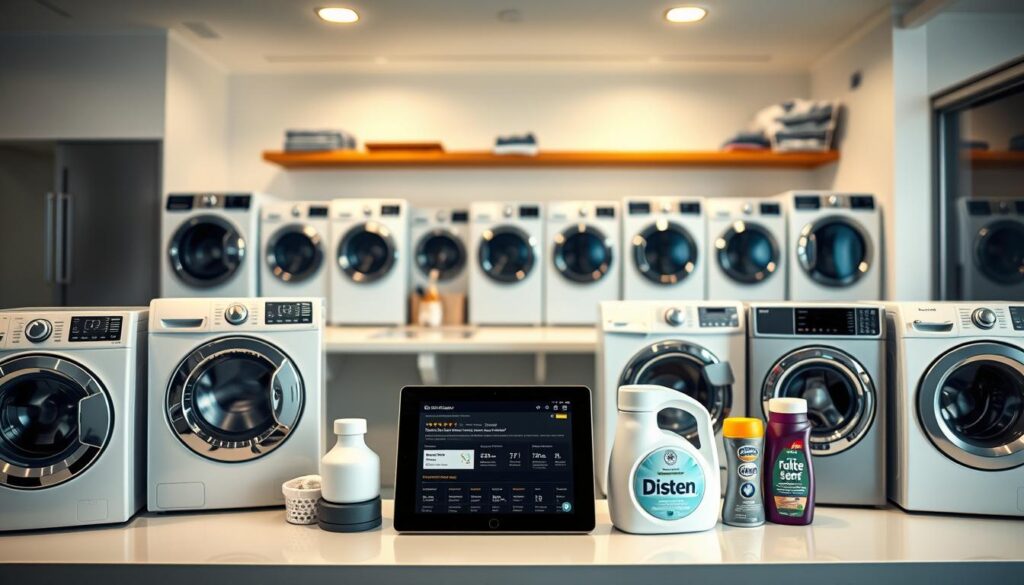
When looking for a new washing machine, top names keep popping up. These brands focus on durability and new tech. Whether you want a front load washer or a top load washer, picking a trusted brand means fewer breakdowns.
Annual surveys show which brands are most reliable. High-ranking brands usually build better machines. This info helps you avoid costly repairs.
Importance of Customer Reviews
Customer reviews offer insights beyond what specs say. They talk about real-life issues like noise and ease of use. Reading both good and bad reviews gives a full picture of a machine’s performance at home.
“The true test of a machine is not how it performs in a showroom, but how it handles the daily rigors of a busy household over several years.”
Warranty and Service Alternatives
Even the best energy efficient washer might have problems. A good warranty is crucial. Look for brands with strong warranties and lots of service options.
When looking at washing machine prices, think about the whole cost. If a brand has few service options near you, repairs might take a long time. Make sure your chosen brand offers easy access to support.
| Brand Category | Reliability Focus | Service Availability |
|---|---|---|
| Premium Brands | High-end materials | Extensive network |
| Mid-Range Brands | Balanced performance | Widely available |
| Budget Brands | Basic functionality | Limited support |
Learn About Installation Requirements
Setting up a new laundry machine is more than just plugging it in. It needs a careful plan for your home’s setup. The right installation is key for a lasting and effective appliance experience. Planning ahead helps avoid problems and gets your machine ready to use.
Space Considerations in Your Laundry Area
Before buying, measure your laundry room to fit the washing machine. Measure the width, depth, and height of your space. Remember to leave 6 inches behind for water hookups and hoses.
Electrical and Plumbing Needs
Checking your home’s connections is crucial before choosing a washing machine. Most need a 120-volt outlet, but some high-end models might need more. Make sure you have both hot and cold water valves and a working drain pipe to avoid leaks.
Optional Features for Installation
Many people add extras to make their setup better. A pedestal can make your front load washer easier to reach. A stacking kit is great for small spaces. Vibration-dampening pads also help keep your energy efficient washer stable during fast cycles.
| Feature | Top Load Washer | Front Load Washer |
|---|---|---|
| Space Clearance | Minimal (Top access) | 6 inches (Rear hoses) |
| Plumbing | Standard hookups | Standard hookups |
| Stacking Option | Not available | Available with kit |
| Vibration Pads | Recommended | Highly recommended |
While washing machine prices differ, the right installation saves money in the long run. Whether you pick a top load washer or a modern front-loader, following these tips protects your investment.
Maintenance and Care of Your Washing Machine
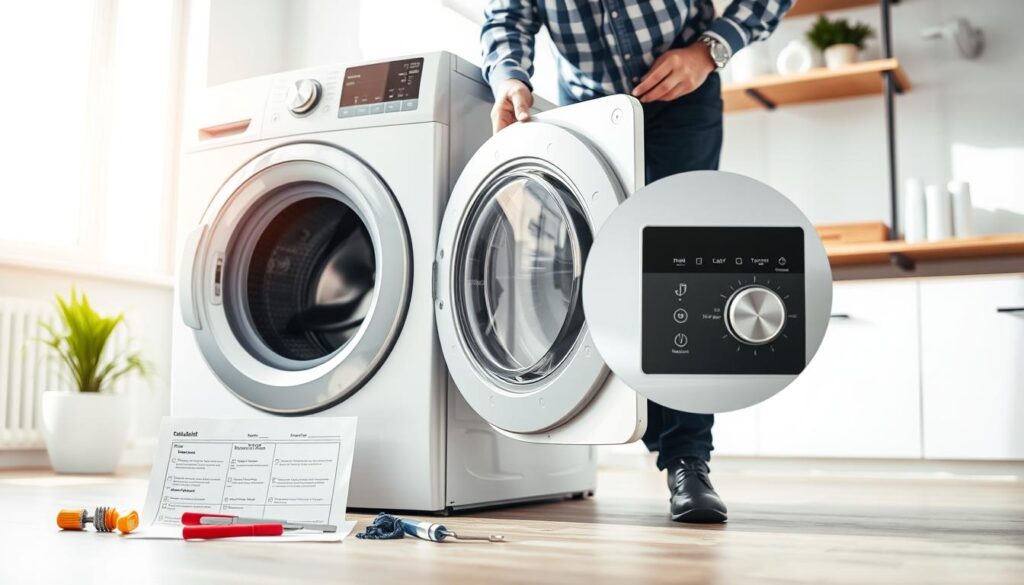
Proactive maintenance is key to a long-lasting washing machine. Spending a little time each month can prevent expensive repairs. It also keeps your clothes smelling fresh. Follow these steps for maintaining your washing machine to protect your investment, no matter the model.
Routine Cleaning Practices
If you have a front load washer, always leave the door ajar after each cycle. This helps prevent mold and bad smells. For any laundry machine, clean the rubber door seals to remove lint and moisture.
Modern washers often have a self-clean cycle. Running this cycle monthly helps remove detergent residue. Whether it’s an energy efficient washer or a standard model, clean the detergent dispenser drawer to avoid clogs.
Troubleshooting Common Issues
If your washer stops mid-cycle or won’t drain, don’t worry about high washing machine prices yet. First, check if the machine is level. An unbalanced washer can stop the spin cycle.
Look for kinks or blockages in the drain hose. If your top load washer is noisy, make sure the load is balanced. Often, these small fixes solve the problem.
When to Call a Professional
While DIY care works well, some problems need a pro. If you see water leaking or an error code that won’t go away, call a technician. Complex electrical or motor issues are best left to experts.
Looking into reputable washing machine brands can help find good service providers. If your machine is still under warranty, contact the manufacturer before fixing it yourself. Professional maintenance keeps your washer running well for years.
Think About Aesthetics and Design
The look of your laundry room is important, not just how it works. The style of your washing machine can make you happier with your choice. Today, people want their homes to look good and work well.
Color and Finishing Options
Now, you can find many finishes for your washing machine. You can pick from white, brushed stainless steel, black stainless, or even bold colors. This lets you match your machine to your home’s style.
These finishes also hide dirt and smudges. This keeps your appliance looking clean. Even though they might cost a bit more, they can make your home more valuable.
Integrating with Home Decor
Your laundry machine should look like it belongs in your home. If it’s seen from other rooms, choose a front load washer for a sleek look. These washers fit well under countertops or in cabinets.
On the other hand, a top load washer can give a more traditional feel. Make sure the design fits your room’s colors. A matching look makes doing laundry easier.
Size and Placement Considerations
Measure your space before buying. Full-sized washers are about 27 inches wide, and compacts are 24 inches. Knowing these sizes helps with installation.
Think about whether you want a side-by-side or stackable washer. An energy efficient washer comes in different sizes. This lets you choose based on your space and needs. Use the table below to see how different models fit in your home.
| Model Type | Typical Width | Best For | Design Style |
|---|---|---|---|
| Full-Size | 27 Inches | Large Families | Modern/Industrial |
| Compact | 24 Inches | Apartments | Minimalist |
| Stackable | 27 Inches | Small Closets | Space-Saving |
Future Trends in Washing Machine Technology
The laundry industry is moving towards a smarter future. Your daily chores will become easier. Modern washing machines are changing fast to save you time and resources.
Smart Connectivity and AI Integration
Brands like Samsung and LG are leading with smart features. These connect your laundry machine to your smartphone. They use AI to adjust cycles for the best results.
You can check your washer from anywhere. This ensures your clothes get the perfect care every time.
Sustainable Innovations
Manufacturers are making energy-efficient washers that are good for the environment. New designs recycle water and use less power. They don’t lose any cleaning power.
These eco-friendly changes will soon be common in all major brands. Whether you like front load or top load washers, you’ll see these improvements soon.
The Evolving Market
Keeping up with these changes helps you make a smart choice for your home. Washing machine prices change with new tech, but the savings are worth it. Pick an appliance that fits your life now, but watch for new features coming soon.