
 David Joseph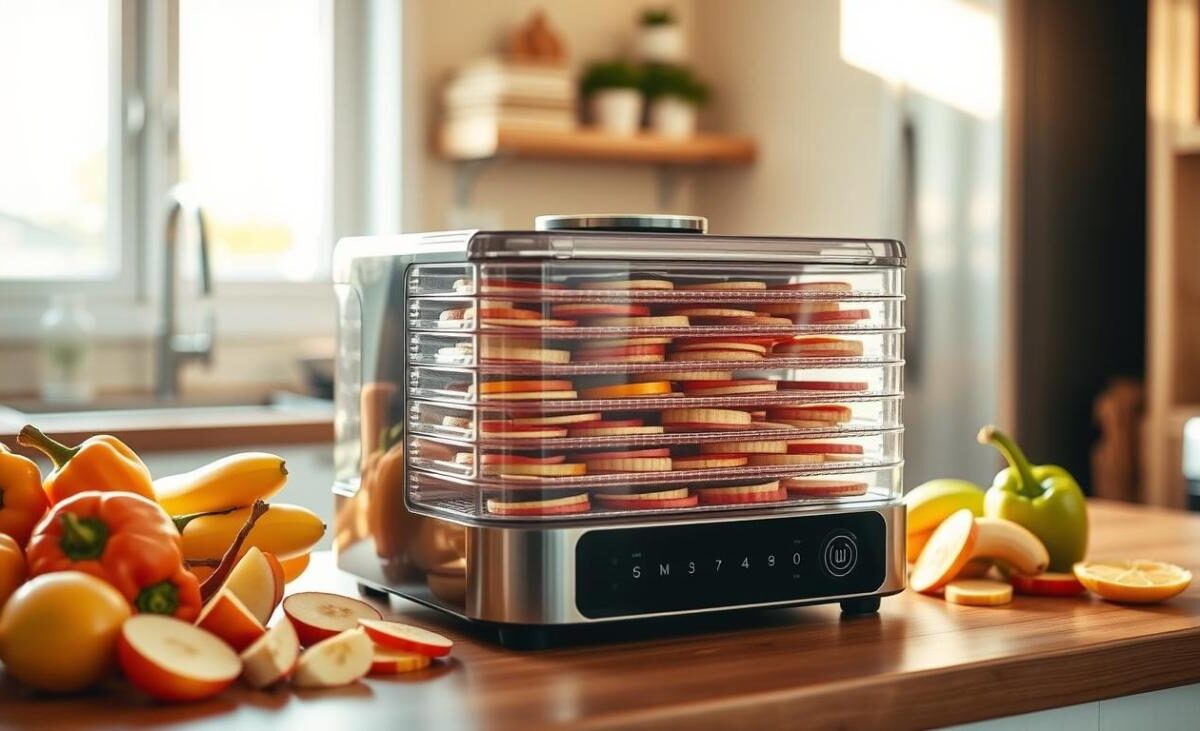
Did you know almost 40% of all produce bought by American families gets thrown away? We can cut down on this waste by turning extra ingredients into tasty, long-lasting snacks at home.
A food dehydrator lets us keep the best nutrition from fresh produce. It makes snacks like jerky, fruit leather, and veggie chips easy to make. These devices are great for anyone wanting to make healthy, additive-free snacks at home.
When picking the right model, look at key features like how much it can hold, temperature control, and airflow. Knowing these food dehydrator benefits helps us choose the best one. Look for safety features and easy-to-clean parts to get the most out of your purchase.
Key Takeaways
- Reduce household waste by preserving fresh produce at home.
- Create healthy, preservative-free snacks like jerky and dried fruit.
- Evaluate capacity and airflow to match your specific kitchen needs.
- Prioritize models with adjustable temperature settings for better results.
- Consider safety features and dishwasher-safe parts for easier maintenance.
What is a Food Dehydrator?
A food dehydrator is a kitchen tool that removes moisture from food. It uses warm air to dry out ingredients slowly. This helps prevent spoilage and keeps nutrients intact.
Definition and Purpose
This appliance is a must-have for any kitchen. It’s not just for making jerky. It’s used for many things.
People use it to keep fruits, veggies, herbs, and tea blends fresh. A food dehydrator buying guide helps keep your pantry full of quality ingredients all year.
Benefits of Using a Food Dehydrator
The food dehydrator benefits are many. You control what goes into your food, avoiding added sugars and preservatives.
“Preservation is the art of capturing the peak of the season, allowing us to enjoy nature’s bounty long after the harvest has passed.”
Dehydrating food also saves money. It helps reduce waste by drying extra produce. This way, you save money and reduce waste.
Popular Types of Food Dehydrators
When picking a dehydrator, you’ll choose between vertical and horizontal designs. Each has its own benefits.
- Vertical Flow: These are compact, great for small kitchens. They have a fan at the top or bottom.
- Horizontal Flow: These have a fan at the back. They dry food evenly and prevent flavors from mixing.
Choosing the right food dehydrator depends on how much you use it and your kitchen space. Knowing the differences helps you make a better choice.
How to Choose the Right Food Dehydrator
Choosing the right machine is key to making homemade snacks. Every kitchen is different, so think about what you need before buying. The best food dehydrator for you depends on your space and how much food you dry.
Size and Capacity Considerations
If you dry small amounts of food, a compact unit is best. These save space and are easy to store. But, for big batches, a box-style machine is better.
Think about how much food you want to dry at once. A bigger machine means less time and energy spent. Always measure your counter space before buying to make sure it fits.
Features to Look For
When buying a food dehydrator, look at more than the price. A good one has even airflow for drying. Look for these features:
- Adjustable Thermostat: Crucial for drying different foods right.
- Built-in Timer: So you can set it and forget it.
- Quiet Operation: Good if you use it at night.
- Wattage: More wattage means faster drying for thicker foods.
“The secret to perfect dehydration is not just the heat, but the constant, even circulation of air around every single piece of food.”
Price Ranges and Budgeting Tips
Finding an affordable food dehydrator doesn’t mean low quality. Look for sales or scratch-and-dent models. If unsure, borrow one to try before buying.
Here’s a food dehydrator comparison to help you choose:
| Type | Best For | Pros | Cons |
|---|---|---|---|
| Stackable | Small Batches | Compact, Cheap | Uneven Drying |
| Box-Style | Large Volumes | Consistent, Fast | Takes Space |
| Commercial | High Output | Durable, Heavy | Expensive |
A good dehydrator is a long-term investment. By considering your needs, you’ll find the right one for years.
Best Brands of Food Dehydrators in the Market
We’ve looked into the market to find the best food dehydrator for you. Choosing the right kitchen appliance can be hard. But, focusing on well-known brands makes it easier. Knowing which brands are best is key before you buy food dehydrator gear.
Excalibur Dehydrators
Excalibur is known for its top-notch horizontal airflow design. These machines are the top choice for serious food dehydrators. They ensure air flows evenly, making them a top rated food dehydrator.
Nesco Food Dehydrators
Nesco is great for those who want versatility and value. Their designs can grow with you, adding more trays as needed. Many food dehydrator reviews praise their ease of use and solid performance for small to medium batches.
Cosori and Other Notable Brands
Cosori has become popular for its digital controls and modern look. These machines are perfect for those who want quiet operation and precise temperature control. The right brand depends on your needs and kitchen space.
“The secret to perfect preservation lies not just in the recipe, but in the consistent airflow provided by a high-quality machine.”
| Brand | Primary Strength | Best For |
|---|---|---|
| Excalibur | Horizontal Airflow | Heavy-duty use |
| Nesco | Expandability | Growing families |
| Cosori | Digital Precision | Modern kitchens |
When searching for the best food dehydrator, think about your lifestyle. A top rated food dehydrator should be durable and easy to clean. Compare these brands based on your drying needs.
Important Safety Features to Consider
Knowing the safety features of a dehydrator is as crucial as the recipes you make. You want your new appliance to work well and keep your home safe. Understanding these features ensures you can make healthy snacks without worry.
Overheating Protection
Keeping the temperature right is key to a safe dehydrating process. Good units have overheating protection to stop the motor from getting too hot. This protection turns off the machine if it gets too hot.
This keeps your appliance safe from damage. Consistent airflow is also important to avoid hot spots that could cause fires. Look for models that stay cool and dry your snacks evenly.
BPA-Free Materials
Make sure all plastic parts are BPA-free when choosing your dehydrator. Cheap models might use plastics that release harmful chemicals when hot. Using safe materials keeps your snacks healthy and free from contaminants.
Also, avoid flimsy trays that warp in heat. Warped trays can mess up airflow and cause problems. Choose durable construction to save money and hassle later.
Easy-to-Clean Designs
Cleaning is a big part of food safety that’s often ignored. Go for stainless-steel construction because it’s easy to clean and safe. Models with removable parts and dishwasher-safe trays make cleaning up a breeze.
Check how the fan is set up in the unit. A good design keeps drips and food away from the heating element and fan. This keeps these areas clean and stops bacteria from growing, keeping your dehydrator working well for a long time.
Understanding Dehydration Times for Different Foods
To get the perfect texture in your dehydrated foods, knowing the drying time is key. Several things affect how long your snacks dry, like the moisture content of the food, how thick your slices are, and your appliance’s wattage. Always keep an eye on your food as the way you load the trays can also change how fast it dries.
Fruits and Vegetables
When drying fruits and veggies, you want to remove enough water to stop spoilage but keep it tasty. Most fruits should feel pliable and leathery. Vegetables like kale or zucchini should turn crisp. The drying is done when there are no soft, wet, or sticky spots left.
Meats and Jerky
When working with meat, you need to be careful because of food safety. Use a higher temperature to dry the meat quickly and safely. Check the texture by bending a piece; it should crack a bit but not break in half. This means the moisture has been removed well.
“Patience is the most important ingredient in the kitchen, specially when you’re dehydrating.”
Herbs and Spices
Herbs dry the fastest because they have very little water. Aim for a texture where the leaves crumble easily between your fingers. If they’re still flexible, they’re too moist and might mold if stored sealed.
| Food Item | Typical Temp (°F) | Estimated Time | Finished Texture |
|---|---|---|---|
| Apple Slices | 135°F | 6–10 Hours | Pliable |
| Beef Jerky | 160°F | 4–8 Hours | Leathery |
| Fresh Basil | 95°F | 1–3 Hours | Brittle |
| Carrot Chips | 125°F | 6–12 Hours | Crisp |
How to Prepare Foods for Dehydration
Getting your ingredients ready right is key to making top-notch snacks at home. Organizing your space helps keep the dehydrating process smooth and safe. This way, everything dries evenly, so no piece gets too dry or too wet.
Washing and Cutting Techniques
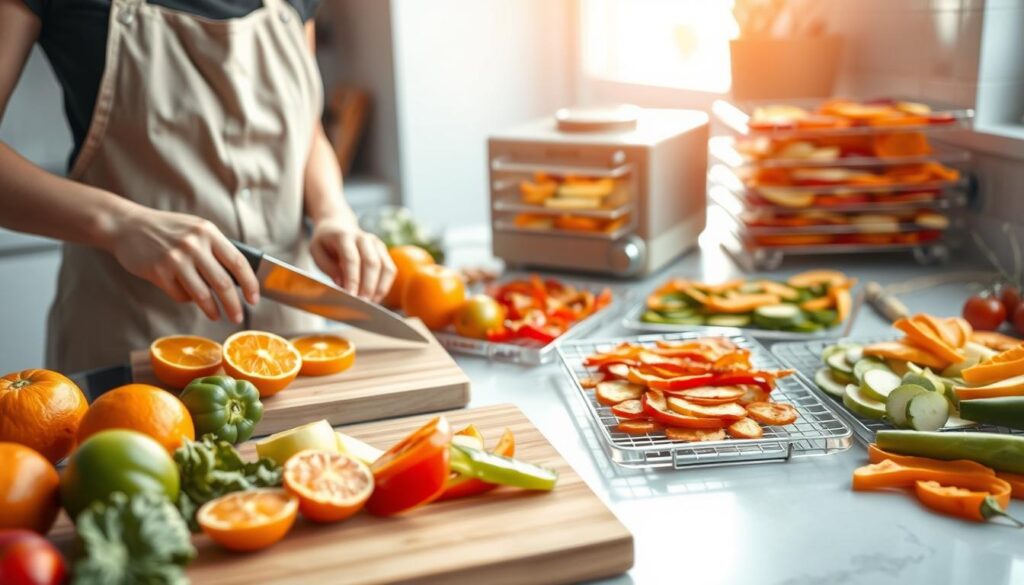
First, wash all your produce well under cool water to get rid of dirt. It’s crucial to remove any bruised or damaged areas to stop bacteria and spoilage. After washing, dry your ingredients with a clean towel to cut down on moisture.
When you slice your ingredients, make sure they’re all the same thickness. Use a mandoline or sharp knife for this. Even thickness means even drying, which is key for the perfect snack texture.
Pre-Treatment Methods
Some fruits, like apples and pears, need a pre-treatment to keep their color bright. A mix of water and lemon juice can prevent browning. This step is optional but great for keeping your snacks looking and tasting good.
For veggies, blanching helps keep their texture and taste. Briefly boiling and then cooling them stops damage. Use mesh screens for small items like herbs or berries to catch them.
Best Practices for Seasoning
Seasoning adds a lot of flavor to your snacks, but be careful not to overdo it. Dry spices or marinades should be used lightly. For fruit leather, silicone sheets help keep the mix in place while it dries.
| Food Category | Preparation Method | Key Tip |
|---|---|---|
| Fruits | Slice uniformly | Use lemon dip for color |
| Vegetables | Blanch briefly | Pat dry before loading |
| Herbs | Wash and pat dry | Use mesh screens |
| Meats | Trim all fat | Slice against the grain |
Do’s and Don’ts of Food Dehydration
Mastering food dehydration is more than just using a machine. It’s about paying attention to details. Even small mistakes can affect the quality and safety of your snacks. By following some simple tips, you can make sure your homemade snacks are perfect every time.
Common Mistakes to Avoid
One big mistake is overcrowding the trays. When items are too close, air can’t move freely. This leads to uneven drying and spoilage. Always leave enough space for air to circulate.
Another mistake is cutting ingredients into inconsistent sizes. If slices are different sizes, some will dry too quickly or too slowly. Use a mandoline or sharp knife to keep sizes uniform.
Many people forget to check their snacks regularly. Humidity can change drying times. Always test for the desired texture before stopping the machine.
Expert Tips for Perfect Snacks
Using a vertical-flow dehydrator? Rotating your trays makes a big difference. The racks closest to the heat dry faster. Swapping them halfway ensures even drying.
Watch the moisture levels of your ingredients. Foods like tomatoes need more time and lower temperatures. Patience is truly a virtue when working with these foods.
While some try using their kitchen oven, a dedicated dehydrator is better. Dehydrators offer precise, low-temperature control. This ensures a consistent, professional-grade finish.
Creative Snack Ideas using a Food Dehydrator
From sweet fruit leathers to savory vegetable crisps, the possibilities are endless. Many home cooks find their dehydrator can do more than just dry apple slices. By trying different textures and flavors, you can find 20 things to do with it. This keeps your pantry full of healthy, portable snacks.
Fruit Leather and Roll-Ups
Fruit leather is a great way to use up overripe fruits. Blend your favorite fruits into a smooth puree. Then, spread it on silicone sheets to prevent leaks.
“Dehydration is the ultimate form of culinary alchemy, turning simple seasonal harvests into concentrated bursts of flavor that last for months.”
Get creative by mixing fruits like strawberry and banana or mango and lime. Once it’s dry and not tacky, peel it off and roll it up for a perfect snack.
Dehydrated Vegetable Chips
Vegetable chips are a better choice than processed snacks. You can dehydrate almost any vegetable, as long as you slice it thinly and evenly.
- Kale chips: Toss with olive oil and sea salt for a light, crispy bite.
- Bell peppers: These become sweet and concentrated, perfect for adding to soups later.
- Tomatoes: Dried tomato slices offer an intense umami flavor that works well in salads or as a standalone snack.
- Green beans: Lightly seasoned, these make a satisfying, healthy crunch.
Herb Seasonings and Powders
Your dehydrator is great for making custom spice blends. Drying fresh herbs like basil, oregano, and rosemary preserves their flavor all year.
You can also dehydrate ginger root, citrus peels, or mushrooms to grind into powders. These homemade seasonings offer a flavor depth that store-bought can’t match. Just pulse them in a spice grinder until fine, then store in airtight jars.
Maintenance Tips for Your Food Dehydrator
Regular maintenance is key to keeping your food dehydrator in top shape. Whether it’s a high-end model or an affordable food dehydrator, taking care of it ensures your snacks stay safe and tasty. By following a few simple steps, your machine will run efficiently for years.
Cleaning and Care Instructions
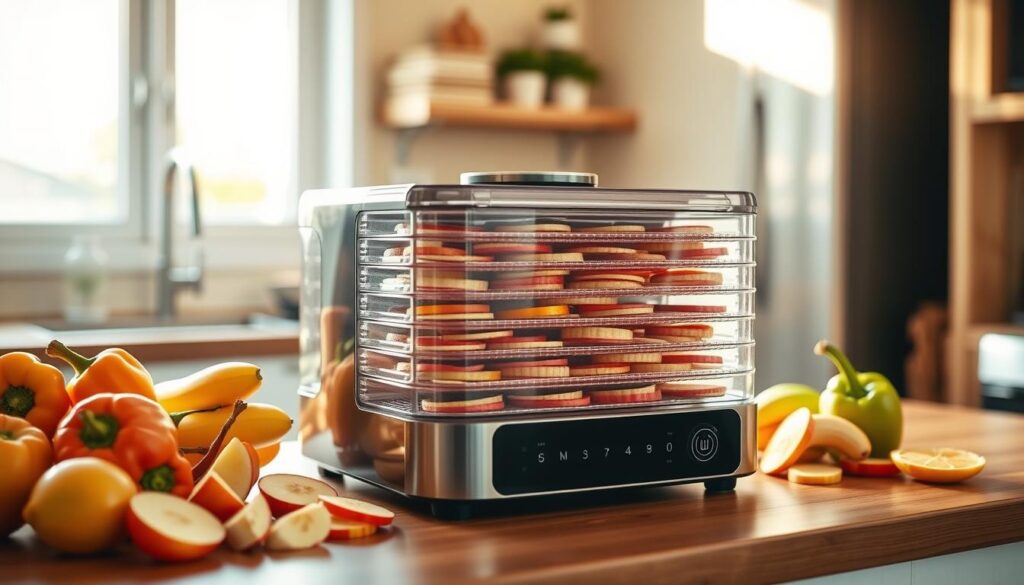
Always unplug your unit before cleaning. Most trays and mesh screens can be washed in warm, soapy water. But, always check the manufacturer’s manual first. Some parts might warp in a dishwasher, so hand washing is safer.
Don’t forget to wipe down the interior walls and the fan cover with a damp cloth. Avoid harsh or abrasive cleaners that could damage the surfaces. Keeping the fan area clean is crucial for airflow and temperature control.
“Regular cleaning is not just about hygiene; it is the most effective way to prevent mechanical failure and ensure even drying across every tray.”
Storage Recommendations
Store your device in a cool, dry place to prevent moisture buildup. If your kitchen is small, keep the trays stacked inside the unit to save space. Protecting it from dust and humidity keeps your affordable food dehydrator in great shape.
If you plan to store it for a long time, make sure it’s dry inside. Wrap the cord neatly to prevent tangles and damage. A dedicated cabinet or pantry shelf is the best place for long-term storage.
Replacing Parts and Accessories
Even the best equipment can show wear over time. Replacing cracked trays or worn-out mesh screens can improve your drying results. Many manufacturers offer replacement parts that let you upgrade your affordable food dehydrator without buying a new one.
Investing in quality fruit-leather sheets or extra mesh liners can expand your cooking options. Keeping spare parts on hand means you can keep making snacks without pause. See the table below for a quick guide on maintaining your equipment.
| Component | Cleaning Frequency | Replacement Need |
|---|---|---|
| Drying Trays | After every use | If cracked or warped |
| Mesh Screens | After every use | If frayed or stained |
| Fan Cover | Monthly | If airflow is blocked |
| Interior Walls | After every use | N/A |
How to Store Dehydrated Foods
Storing dehydrated foods right is key to enjoying them months later. When you dry food, it becomes shelf-stable. But, it needs protection from moisture, oxygen, light, and smells to stay good.
Packaging Options
Choosing the right container is crucial. Airtight containers like glass mason jars or plastic bins keep air and moisture out. For even longer storage, use a vacuum sealer to remove oxygen from bags.
It’s smart to portion your food before sealing. This way, you don’t have to open the whole container for a snack. Always label your containers with the date and type of food. It’s easy to forget what’s inside later.
Best Storage Conditions
Even with good packaging, where you store it matters a lot. Keep your containers in a cool, dry, and dark pantry or cupboard. Heat and sunlight can harm your food’s taste and nutrients.
Check your stored foods often for moisture or spoilage. If you see condensation, the food wasn’t dried enough. You can re-dehydrate it or eat it right away to avoid waste.
Shelf Life Expectations
The shelf life of your snacks depends on several things. These include how dry they were, the quality of your packaging, and where you store them. While some snacks can last years, most are best eaten within a few months for the best taste.
| Storage Method | Ideal Environment | Estimated Shelf Life |
|---|---|---|
| Airtight Glass Jars | Cool, Dark Pantry | 6 to 12 Months |
| Vacuum Sealed Bags | Cool, Dark Pantry | 12 to 24 Months |
| Freezer Bags | Deep Freezer | 24+ Months |
Freezing is great for large amounts of food you can’t use fast. By freezing vacuum-sealed bags, you can keep dehydrated food for a long time. Make sure your containers are sealed tight to avoid freezer burn and moisture.
Troubleshooting Common Issues with Food Dehydrators
Minor tweaks can fix most issues with food dehydrators. These machines are usually reliable. But knowing how to spot and fix problems ensures your snacks turn out right every time.
Inconsistent Drying Results
Uneven drying can come from how you load the trays or the airflow design. If some pieces are hard and others are soft, make sure all slices are the same thickness.
When comparing food dehydrators, horizontal airflow models usually dry better than vertical ones. If you have a vertical model, rotate the trays halfway through to even out the heat.
Odd Smells During Operation
New machines might smell like plastic at first, which is normal. Run it empty for an hour in fresh air to get rid of any leftover smells from the factory.
If you smell burning or something sour while it’s working, check the bottom for food bits or drips. Regular cleaning of the fan and base stops these from burning and ruining your food’s taste.
Addressing Temperature Control Problems
Wrong temperature readings can make your snacks too dry or too wet. If your machine seems off, use an oven thermometer to check the heat.
Older models might not read right anymore. If your thermostat is always wrong, look in the manual for how to reset it or call support for help.
Expanding Your Dehydration Skills
Learning to preserve food opens up a world of possibilities. You can try making fruit leather, kale chips, and even jerky. These projects turn your kitchen into a place where you can make your own healthy snacks.
Creative Culinary Projects
Dehydration is not just for snacks. You can make custom tea blends and oil infusions. You can even dry ingredients for soups or make bath products. Your machine is a tool for many creative projects.
Selecting Your Ideal Machine
Choosing the right dehydrator is important. Look at airflow, capacity, and safety when comparing machines. These features help your machine fit your needs perfectly.
Joining the Preservation Community
Finding a good dehydrator is just the start. Read reviews and check test results to help choose. Join online forums to share tips and learn from others. This way, you can improve your skills and find new uses for your machine every day.